
Technology
Wachappe Explained: The Surprising Truth About Its Meaning, Features, and Digital Communication

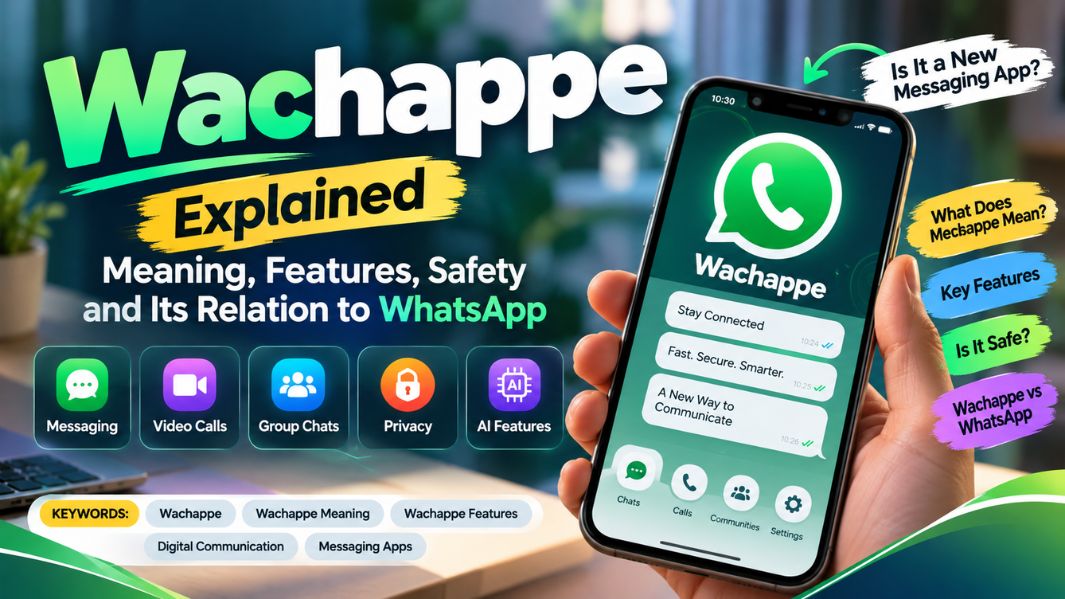
Digital communication keeps evolving, introducing unfamiliar names, innovative technologies, and new ways for people to connect. One term that has attracted attention across online articles and search results is Wachappe. At first glance, the name sounds like WhatsApp, the established messaging app used for personal and professional conversations. However, searching for Wachappe yields several explanations, leaving readers unsure whether it refers to a new communication platform, an alternative spelling, or an emerging digital concept. Some websites describe advanced messaging capabilities, while others suggest the term belongs more to internet slang than to a verified application. Understanding these differences matters, especially when online information can spread faster than its accuracy can be verified.
This article explores Wachappe, including its possible meaning, online presence, claimed features, relationship with WhatsApp, and important security considerations. It also explains how readers can distinguish an authentic digital service from an unfamiliar name promoted online.
What Is Wachappe?
Wachappe is an online term used in digital messaging, internet communication, and technology discussions. Its precise meaning remains uncertain because different websites provide conflicting descriptions. Some describe it as an informal or pronunciation-based variation of WhatsApp, while others present it as a separate communication concept or a potential messaging service. Although a website uses the Wachappe name and publishes information about digital communication, the available evidence does not establish it as a fully operational, independently verified messaging application. This distinction matters because a website describing an attractive product idea does not necessarily show that readers can download or use the product. For readers encountering the name for the first time, the most reasonable interpretation depends on the context in which it appears.
Unlike established technology brands with recognizable companies, official product documentation, and identifiable applications, Wachappe does not currently have a clearly demonstrated identity as a standalone messaging service. Its online visibility therefore deserves careful interpretation rather than automatic acceptance of promotional descriptions.
Where Did the Name Wachappe Come From?
No one has conclusively documented Wachappe’s origin, though its resemblance to WhatsApp offers one possible explanation. People frequently adapt unfamiliar brand names into spellings that reflect how they pronounce them. Regional accents, language backgrounds, and everyday speech can produce several written versions of the same word. Wachappe could reflect this variation, especially when someone hears WhatsApp spoken aloud and tries to write it down. Another possibility is that people independently adopted the name for online publishing or discussions about digital technology.
Internet language often develops without a single identifiable creator. Informal expressions can circulate through conversations, usernames, search queries, and blog posts before acquiring any commonly accepted meaning. However, insufficient evidence links Wachappe to a specific community, country, or date. Descriptions presenting it as widely adopted youth slang should therefore be treated cautiously unless supported by identifiable examples of actual usage.
Why Is Wachappe Appearing in Online Searches?
Search engines regularly encounter unfamiliar words that resemble established brands, emerging products, or popular technology topics. Wachappe fits this pattern because its spelling invites comparison with a well-known communication application. Once websites publish explanatory articles about an unusual term, other publishers may create similar content to answer related questions. This can make a name seem more established than it is, especially when several articles repeat the same claims without linking to verifiable product information.
Another factor is search intent, which describes what a person hopes to find when entering a query. Someone searching for Wachappe might be looking for WhatsApp, investigating an unfamiliar website, or checking whether a supposedly new messaging platform is legitimate. These intentions differ, even though they share the same keyword. Understanding them helps explain why online articles offer inconsistent answers. The number of pages discussing a subject does not, by itself, show that a working product exists or that the term has become widely used.
Does Wachappe Have an Official Website?
A website operating under the Wachappe name has published content about digital communication. Its visible pages use a blog-style layout that displays article titles, publication dates, author information, and general-interest content. One article describes Wachappe as a promising direction for communication technology, discussing messaging, artificial intelligence, and opportunities for more connected digital experiences. However, a publishing website should not automatically be regarded as evidence of a complete software platform.
A functioning communication application would ordinarily provide important practical information, including developer identification, supported devices, registration procedures, service documentation, and clear instructions for obtaining the software. It would also explain which features are currently available rather than presenting future possibilities as existing capabilities. The Wachappe website establishes an online presence, but the publicly available information examined does not sufficiently confirm an operational messaging product. Readers should make this distinction before assuming the website offers a downloadable application.
What Features Are Commonly Associated With Wachappe?
Various online descriptions associate Wachappe with features familiar from modern messaging platforms. These include text conversations, voice communication, video calling, group discussions, media sharing, and access across multiple devices. Some articles also mention AI-powered communication tools, such as automated responses, conversation summaries, and assistance with organizing information. The wider technology industry increasingly discusses these capabilities because they could make communication more convenient for individuals and businesses.
Nevertheless, these descriptions should be understood as claims or proposed possibilities rather than independently confirmed Wachappe features. Without access to demonstrable software, reliable technical documentation, and a clearly identified developer, it is impossible to determine whether the advertised tools function as described. This distinction is especially important for privacy-related claims. A service describing itself as secure, encrypted, or intelligent must provide meaningful technical and operational evidence before those descriptions can be confidently accepted.
Wachappe vs WhatsApp: Understanding the Difference
One of the most important questions involves the relationship between Wachappe and WhatsApp. Their similar spelling may confuse, but they should not automatically be considered the same official product. WhatsApp is an established messaging application operated by Meta, with official software available for supported mobile devices and computers. It provides messaging, voice and video calls, media sharing, and several account-security features. Official product information can verify its identity, ownership, and core functionality.
By comparison, Wachappe has no comparably established identity as an independent messaging application. Some writers use the word as a phonetic alternative to WhatsApp, while others discuss it as a different communication concept. Neither interpretation establishes an official business relationship between the names. If someone searches for Wachappe intending to access WhatsApp, the sensible approach is to find the verified WhatsApp application rather than assume an unfamiliar website or download belongs to Meta.
Is Wachappe Safe to Use?
Safety matters whenever users encounter an unfamiliar digital service. Currently, there isn’t enough verified information about a standalone Wachappe application to reliably assess its security. This does not mean that a website using the name is automatically fraudulent or harmful. It means that stronger evidence is needed before evaluating the privacy protections, technical reliability, and security practices of any software presented under that identity.
Before installing an unfamiliar messaging application, users should examine its developer information, requested permissions, privacy policy, and official distribution channels. Account security matters most when an application requests access to contacts, photos, microphones, cameras, or personal messages. Treat unexpected requests for verification codes, passwords, or financial details with caution. A legitimate application should explain why it needs specific permissions and provide clear information about account management and data handling.
How to Identify a Trustworthy Messaging Platform
Evaluating a communication platform requires more than reading a promotional description. A credible service should offer a consistent product identity, understandable documentation, and clear information about its operators. Users should be able to determine who develops the application, which devices it supports, how accounts are created, and whether customer assistance is available. Independent testing, authentic user feedback, and a proven history of software updates can build additional confidence.
Privacy transparency is equally valuable. A messaging platform should explain how it stores and processes personal information, whether conversations receive end-to-end encryption, and how users can delete their accounts. If artificial intelligence is involved in message processing, the service should explain how that technology interacts with private conversations. These standards apply to any unfamiliar application, including one promoted using the Wachappe name. Attractive interface images or repeated claims about innovation cannot replace verifiable product evidence.
Why Digital Communication Names Can Create Confusion
The Wachappe discussion highlights a broader issue in internet culture: names can become recognizable in search results before their meaning is clear. Digital publishers often use memorable words to describe ideas, products, or potential technology trends. When those words resemble existing brands, readers may naturally associate them with familiar services. Search results can reinforce that association, particularly when articles present assumptions as facts.
For technology readers, the central lesson is the importance of digital literacy. Recognizing the difference between a concept, an online publication, and functioning software helps prevent misunderstandings. A technology idea can be interesting without representing a commercially available application, while an unfamiliar name may be an alternative spelling of an existing service. Examining the surrounding evidence provides a more dependable explanation than relying on headlines alone.
What Should You Do If You Are Looking for Wachappe?
The most useful first step is to identify what you actually want to accomplish. If you want to send messages, make video calls, or access existing WhatsApp conversations, use the official WhatsApp service and its recognized download options. If you encountered Wachappe in an article, advertisement, or online conversation, examine the original context to determine whether the writer means WhatsApp, a website, or a proposed communication product.
If a download is advertised under the Wachappe name, avoid entering personal information until you can verify the developer and its legitimacy. Do not share one-time verification codes with another person or enter them into an unfamiliar service. Users investigating a potential new application should also compare its published claims with demonstrable features rather than assuming that attractive descriptions guarantee a working product.
The Future of Wachappe and Digital Messaging
Digital communication will likely keep changing as messaging services add more sophisticated privacy controls, improved accessibility, artificial intelligence, and collaboration tools. These developments create opportunities for new products, but they also increase the importance of trustworthy information. An unfamiliar name can attract interest because it seems to promise a different communication experience, yet lasting credibility depends on technology users can access and evaluate.
For Wachappe specifically, the future remains uncertain. The name could become a recognizable product or remain primarily in online publishing and informal use. The available evidence can’t confidently predict either outcome. What matters is whether future developments provide clear ownership, demonstrated functionality, and transparent security information.
Frequently Asked Questions About Wachappe
1. What does Wachappe mean?
Wachappe is an unfamiliar online term associated with digital communication. Some websites describe it as a phonetic variation of WhatsApp, while others use it when discussing possible messaging services or communication concepts. No single, universally verified meaning exists.
2. Is Wachappe a real messaging application?
A website using the Wachappe name exists, but the publicly available evidence examined does not sufficiently verify a standalone messaging application with identifiable software, official distribution, and demonstrated features.
3. Is Wachappe the same as WhatsApp?
Not officially. Although the names resemble each other and Wachappe may sometimes be used as an alternative spelling, no verified evidence establishes it as an official WhatsApp product or service.
4. Can I download Wachappe on Android or iPhone?
No dependable, independently verified app-store listing for a standalone Wachappe messaging service has been established. Users should verify the developer and authenticity of any download presented under this name.
5. Does Wachappe provide secure messaging and video calls?
Some online descriptions mention messaging, video calls, and privacy-related capabilities. However, no independent testing has confirmed these features in a distinct Wachappe application, so their availability and security cannot be verified.
Conclusion
Wachappe is an interesting example of how unfamiliar digital terms can generate questions, interpretations, and competing explanations across the internet. Although the name is associated with communication technology and resembles WhatsApp, the available evidence does not establish it as a fully verified independent messaging application. Its online presence and published descriptions should be distinguished from demonstrated software features.
For readers interested in Wachappe, prioritize accurate information, verified services, and online safety. Understanding the difference between a spelling variation, a technology concept, and an operational product can prevent unnecessary confusion. As digital communication evolves, trustworthy documentation and transparent functionality will remain more valuable than ambitious claims or unfamiliar names.

Barry Winkleman: The Remarkable Life, Publishing Career and Family Behind Claudia Winkleman

John Playfair: The Remarkable Life of Prue Leith’s Husband and Former Fashion Designer

thealitekeepsafe.com: A Complete Guide to Its Features, Online Safety, Content, and Trustworthiness

Growth Navigate Funding: A Complete Guide to Smart Business Financing and Sustainable Growth

Almawadahit. com Explained: A Complete Guide to Its Content, Features, and Online Reputation

UK Supermarket Fruit Salmonella Recall: Major Safety Warning That Affected Six Leading Retailers

Tracey Knievel: The Remarkable Untold Story of Evel Knievel’s Daughter and Her Life Beyond Fame

Jeremy Yaffe: The Remarkable Untold Story of Alan Arkin’s First Wife and Her Life Beyond Hollywood

Solica Casuto: The Fascinating Story of Andy Griffith’s Second Wife and Her Private Life

Tara Beane: The Remarkable Family Story Behind Billy Beane’s Moneyball Legacy

Everest Base Camp Trek vs Manaslu Circuit Trek: Routes, Difficulty, Costs, Altitude and Mountain Experience

Crackstube Explained: A Complete Guide to Its Features, Content, Safety, and Digital Publishing Platform

ABS Testauslösung: Bedeutung, Funktion, häufige Fehler und wichtige Sicherheitstipps

Classroom 15x: The Ultimate Guide to Free Online Games, Features, Benefits, and Safe Gaming

HMJones.net Explained: A Complete Guide to Business Loans, Funding Options, and Smarter Financial Decisions

Nigel Mackintosh: The Remarkable Business Career, Family Heritage and Life of Millie Mackintosh’s Father

Nomurano: Discover the Powerful Meaning Behind Modern Creativity, Design, and Intentional Living

Provascin: A Complete Guide to Its Ingredients, Potential Benefits, Uses, and Safety

Ruschek: The Fascinating History, Meaning, Origins and Legacy of a Rare European Surname

Mindset Energy: The Powerful Secret to Better Focus, Confidence, and Personal Growth
Barry Winkleman: The Remarkable Life, Publishing Career and Family Behind Claudia Winkleman
John Playfair: The Remarkable Life of Prue Leith’s Husband and Former Fashion Designer
thealitekeepsafe.com: A Complete Guide to Its Features, Online Safety, Content, and Trustworthiness
Growth Navigate Funding: A Complete Guide to Smart Business Financing and Sustainable Growth
Almawadahit. com Explained: A Complete Guide to Its Content, Features, and Online Reputation
UK Supermarket Fruit Salmonella Recall: Major Safety Warning That Affected Six Leading Retailers
Tracey Knievel: The Remarkable Untold Story of Evel Knievel’s Daughter and Her Life Beyond Fame
Jeremy Yaffe: The Remarkable Untold Story of Alan Arkin’s First Wife and Her Life Beyond Hollywood
Solica Casuto: The Fascinating Story of Andy Griffith’s Second Wife and Her Private Life
Tara Beane: The Remarkable Family Story Behind Billy Beane’s Moneyball Legacy
-
 Blog3 months ago
Beyond the Cages: How an Artificial Zoo Could Redefine Wildlife Travel
-
Adventure Travel2 weeks ago
Everest Base Camp Trek vs Manaslu Circuit Trek: Routes, Difficulty, Costs, Altitude and Mountain Experience
-
 Destination Guides3 months ago
Beyond the Map: Discovering Haslhof in Italy and Bavaria
-
Technology6 days ago
Crackstube Explained: A Complete Guide to Its Features, Content, Safety, and Digital Publishing Platform