
Adventure Travel
Beyond the Highlands: Red Stag Encounters That Make a Wildlife Journey Unforgettable

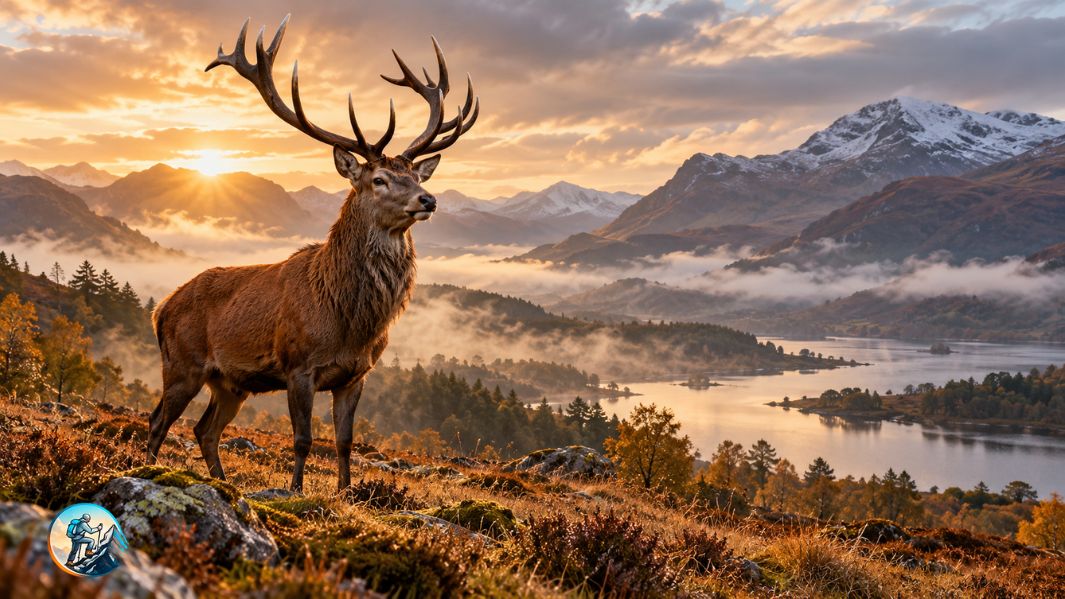
Few moments feel as striking as seeing a Red Stag standing above a misty glen, antlers outlined against the morning sky. For travelers who love nature, photography, and slow adventure, the appeal is not simply the animal’s size. It is the setting: moorland, forests, mountain weather, and the feeling that the landscape is watching you back.
A red stag is an adult male red deer, known for antlers and a seasonal roar during the rut. Scotland remains one of the most evocative places to see these animals, while New Zealand offers a different experience because red deer were introduced there and are now widespread. The best trip is built around observation, patience, distance, and respect rather than chasing a close encounter.
Why Red Stag Wildlife Trips Feel So Special
A Red Stag can turn an ordinary hill walk into a memory you retell for years. In the Scottish Highlands, red deer move through moorland, woodland edges, valleys, and mountain slopes. Their presence gives remote landscapes an added sense of life, especially at dawn or late afternoon when deer are often easier to notice.
Travelers should remember that wildlife sightings are never guaranteed. That uncertainty is part of the experience. I have always found that the most satisfying nature trips are the ones where you stop trying to “collect” sightings and start paying attention to the whole place: wind through heather, distant bird calls, changing clouds, and fresh tracks in soft ground.
“The quieter you become, the more the wild reveals.”
Red Stag Viewing in Scotland
For many visitors, wildlife in the Scottish Highlands is the classic starting point. Areas with wide glens, wooded estates, and open uplands can offer good opportunities to see red deer from a safe distance. Autumn is especially atmospheric because the breeding season, known as the red deer rut, brings dramatic calls and more visible interaction between mature stags.
During the rut, never approach a stag for a closer photograph. Males can be unpredictable, especially when competing for females. Use binoculars or a long camera lens, stay on appropriate paths, and give animals a generous escape route. A guided wildlife excursion can be worthwhile if you are unfamiliar with the terrain or want help reading signs without disturbing deer.
When Is the Best Time to See Red Stag?
The best season depends on the experience you want. Autumn offers the most dramatic behavior, cooler temperatures, and rich colors across hills and forests. Spring and summer can provide longer daylight for hiking and photography, while winter creates stark landscapes and quieter trails.
For photography, early morning and the final hours before sunset often provide softer light. Pack layers, waterproof outerwear, sturdy footwear, and lens protection because Highland weather can shift quickly. A thermos is also valuable when you are standing still for long periods.
Red Stag Travel Beyond Scotland
New Zealand is another major destination associated with red deer. The animals are introduced rather than native and are managed differently because of their impact on native vegetation. For travelers, that makes it important to understand the local conservation context rather than assuming every wildlife destination treats deer in the same way.
The South Island wilderness, forest parks, and mountain regions can place travelers in landscapes where red deer occur, but access conditions vary. If your goal is observation rather than hunting, choose responsible nature guides, follow conservation-area rules, and avoid feeding or deliberately attracting animals.
Practical Tips for a Responsible Wildlife Journey
Plan accommodation near natural areas instead of relying on long daily drives. Ask local guides about current conditions, visibility, trail safety, and respectful viewing distances. Carry binoculars, silence your phone, avoid loud group behavior, and never block an animal’s route.
Photographers should prioritize animal welfare over the perfect frame. If a stag repeatedly looks at you, changes direction, stamps, or appears tense, increase the distance. The strongest wildlife image is one made without forcing the subject to react.
Travel insurance, offline maps, weather checks, and daylight planning also matter in remote regions. Mobile reception can disappear quickly in mountain areas, so tell someone your route if you are walking independently.
Final Thoughts: Let the Red Stag Stay Wild
A journey built around the Red Stag is really a journey into wild space. The animal may be the reason you arrive, but the larger reward is learning to move more quietly, observe more carefully, and accept that nature does not perform on demand.
Choose the Highlands for classic atmosphere or explore New Zealand for a contrasting landscape and conservation story. Either way, travel slowly, keep your distance, and let the encounter happen naturally. When a stag finally appears through mist, trees, or fading light, the moment feels far more powerful because you did not force it.
You May Read Also: Planning a Travel Brand? Glorvix Com Contact Can Help You Start the Right Conversation

Emma Poppy Deyes: The Inspiring Story of Poppy Deyes, Her Career, Family, and Lifestyle Brand

Laura Sherriff: The Inspiring Story of Craig Phillips’ Wife, TV Presenter and DIY Entrepreneur

Classroom 15x: The Ultimate Guide to Free Online Games, Features, Benefits, and Safe Gaming

Crackstube Explained: A Complete Guide to Its Features, Content, Safety, and Digital Publishing Platform
Nomurano: Discover the Powerful Meaning Behind Modern Creativity, Design, and Intentional Living

Instagram Video Downloader: The Ultimate Guide to Saving Instagram Videos Safely and Easily

Provascin: A Complete Guide to Its Ingredients, Potential Benefits, Uses, and Safety

Tikcotech Explained: Powerful Features, Digital Tools, Benefits, and Everything You Should Know

Cristher: A Complete Guide to Premium Outdoor Lighting, Innovative Design, and Architectural Solutions

HMJones.net Explained: A Complete Guide to Business Loans, Funding Options, and Smarter Financial Decisions
Crackstube Explained: A Complete Guide to Its Features, Content, Safety, and Digital Publishing Platform
Nomurano: Discover the Powerful Meaning Behind Modern Creativity, Design, and Intentional Living

Mindset Energy: The Powerful Secret to Better Focus, Confidence, and Personal Growth
Everest Base Camp Trek vs Manaslu Circuit Trek: Routes, Difficulty, Costs, Altitude and Mountain Experience

iProwess: Discover the Innovative Audio Brand Combining Smart Sound, Lighting, and Modern Technology
HMJones.net Explained: A Complete Guide to Business Loans, Funding Options, and Smarter Financial Decisions
Discover Europe Differently: How European Active Projects Are Reshaping Modern Travel
Instagram Video Downloader: The Ultimate Guide to Saving Instagram Videos Safely and Easily

Plan Better Family Adventures With Thomsonkids.com: Ideas for Easier, Happier Travel
Planning America Smarter: How tozymagazine.com USA Can Inspire Better Trips
Emma Poppy Deyes: The Inspiring Story of Poppy Deyes, Her Career, Family, and Lifestyle Brand
Laura Sherriff: The Inspiring Story of Craig Phillips’ Wife, TV Presenter and DIY Entrepreneur
Classroom 15x: The Ultimate Guide to Free Online Games, Features, Benefits, and Safe Gaming
Crackstube Explained: A Complete Guide to Its Features, Content, Safety, and Digital Publishing Platform
Nomurano: Discover the Powerful Meaning Behind Modern Creativity, Design, and Intentional Living
Instagram Video Downloader: The Ultimate Guide to Saving Instagram Videos Safely and Easily
Provascin: A Complete Guide to Its Ingredients, Potential Benefits, Uses, and Safety
Tikcotech Explained: Powerful Features, Digital Tools, Benefits, and Everything You Should Know
Cristher: A Complete Guide to Premium Outdoor Lighting, Innovative Design, and Architectural Solutions
HMJones.net Explained: A Complete Guide to Business Loans, Funding Options, and Smarter Financial Decisions
-
Technology18 hours ago
Crackstube Explained: A Complete Guide to Its Features, Content, Safety, and Digital Publishing Platform
-
 Blog2 months ago
Beyond the Cages: How an Artificial Zoo Could Redefine Wildlife Travel
-
Blog19 hours ago
Nomurano: Discover the Powerful Meaning Behind Modern Creativity, Design, and Intentional Living
-
Blog1 day ago
Mindset Energy: The Powerful Secret to Better Focus, Confidence, and Personal Growth