
Adventure Travel
Travel Smarter with Innøve: A Norwegian Idea for More Confident Journeys

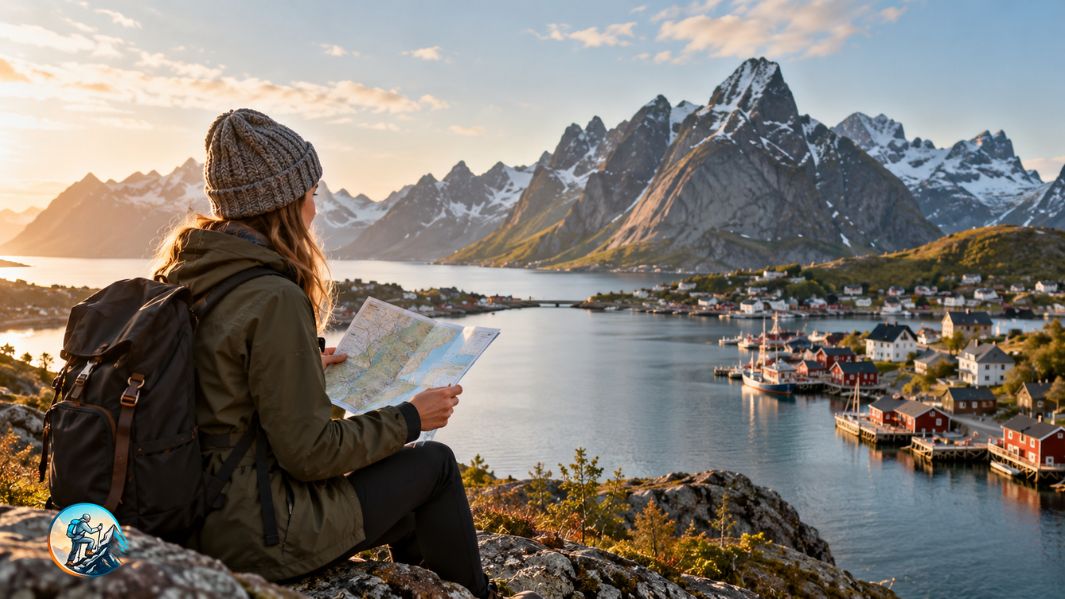
Travel often feels most exciting when it is spontaneous, but the best trips have a quiet layer of preparation underneath them. That is where Innøve becomes a useful idea. In Norwegian Bokmål, innøve is a verb meaning to practice or rehearse something until it becomes familiar. Applied to travel, it suggests a simple habit: rehearse the important parts of a journey before departure, then leave enough space for surprise once you arrive. This is not about turning a holiday into a military schedule. It is about building confidence, reducing avoidable stress, and giving yourself more attention for the places, people, food, landscapes, and small moments that make Travel memorable.
Why Innøve Makes Sense for Modern Travel
Airports, rail stations, unfamiliar payment systems, foreign languages, weather changes, and local Travel can overwhelm even experienced travelers. A little travel preparation can make those moments easier. Before a trip, practice saying the destination name, learn how your transport ticket works, check the route from the airport to your accommodation, and become familiar with basic local customs. Think of it as a short rehearsal, not endless research. When I prepare for an unfamiliar city, I like to know the first hour especially well: where I will go after arrival, how I will pay, and what I will do if mobile data fails. Once those basics are settled, the rest of the day feels far more open.
Using Innøve Before You Leave Home
Start with the parts of your journey most likely to cause stress. Save your hotel address offline, screenshot essential booking details, and practice finding important documents quickly on your phone. If you are traveling somewhere with a different language, learn a few practical expressions for greetings, directions, food, emergencies, and thanks. You do not need perfect pronunciation; you only need enough familiarity to avoid freezing when someone speaks to you. Offline maps, emergency contacts, weather-appropriate clothing, and a simple backup payment option are also worth preparing. The goal is not to predict every problem. It is to make common travel tasks feel familiar before they become urgent.
Innøve as a Way to Travel More Slowly
The idea also works after arrival. Instead of racing through ten attractions, repeat a few local routines until the destination begins to feel readable. Walk the same neighborhood twice. Return to a café you liked. Learn which station entrance saves time. Notice when shops open, where locals buy breakfast, and which streets become quieter in the evening. This kind of slow Travel creates a different relationship with place. Familiarity can reveal details that checklist tourism misses: the morning rhythm of a market, the sound of Travelre after commuters leave, or the small bakery that looked ordinary on the first day but becomes a favorite by the third.
Innøve for Solo Travelers and First-Time Visitors
Solo travelers can benefit especially from rehearsing practical steps. Before heading out at night, know how you will return, keep your phone charged, and understand the local transport schedule. First-time international travelers may also want to practice airport procedures at home: passport access, boarding-pass storage, luggage limits, and arrival forms where required. These small actions can reduce decision fatigue. Travel confidence rarely appears magically; it often grows from repeated, manageable experiences. As Gustave Flaubert wrote, “Travel makes one modest. You see what a tiny place you occupy in the world.” Preparation should support that humility, not remove the wonder.
How Much Planning Travelo Much?
A useful rule is to prepare the essentials and leave the experiences flexible. Confirm accommodation, major transport, entry requirements, insurance needs, medication rules, and realistic transfer times. Then avoid filling every hour. Overplanning can make a trip fragile because one delay disrupts everything. Underplanning can create unnecessary expense or anxiety. The Innøve approach sits between those extremes: rehearse what matters, improvise what does not. If you know how to reach your hotel, how to contact help, and how to manage money safely, you can wander through a neighborhood, change dinner plans, or follow a local recommendation without feeling lost.
A Better Travel Habit to Bring Home
The most useful part of Innøve is that it turns preparation into confidence, not control. Rehearse the stressful parts, repeat the meaningful ones, and stay curious about everything else. Travel becomes easier when basic actions are familiar, yet it stays rewarding when discovery remains unscripted. Whether you are planning a Nordic escape, a weekend city break, or your first long-haul adventure, this mindset can help you arrive calmer and notice more. A good journey does not need to be perfectly planned. It needs enough preparation to make room for genuine experience. That is the travel lesson behind Innøve: practice the essentials, then let the road surprise you.
You May Read Also: Where Incredorable Travel Begins: Finding Small Places That Leave a Big Impression

Emma Poppy Deyes: The Inspiring Story of Poppy Deyes, Her Career, Family, and Lifestyle Brand

Laura Sherriff: The Inspiring Story of Craig Phillips’ Wife, TV Presenter and DIY Entrepreneur

Classroom 15x: The Ultimate Guide to Free Online Games, Features, Benefits, and Safe Gaming
Crackstube Explained: A Complete Guide to Its Features, Content, Safety, and Digital Publishing Platform

Nomurano: Discover the Powerful Meaning Behind Modern Creativity, Design, and Intentional Living
Instagram Video Downloader: The Ultimate Guide to Saving Instagram Videos Safely and Easily

Provascin: A Complete Guide to Its Ingredients, Potential Benefits, Uses, and Safety

Tikcotech Explained: Powerful Features, Digital Tools, Benefits, and Everything You Should Know

Cristher: A Complete Guide to Premium Outdoor Lighting, Innovative Design, and Architectural Solutions

HMJones.net Explained: A Complete Guide to Business Loans, Funding Options, and Smarter Financial Decisions
Nomurano: Discover the Powerful Meaning Behind Modern Creativity, Design, and Intentional Living
Crackstube Explained: A Complete Guide to Its Features, Content, Safety, and Digital Publishing Platform
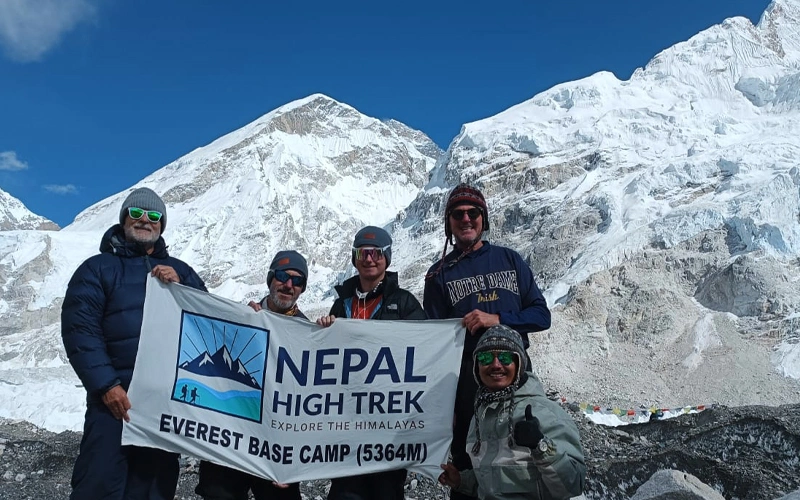
Everest Base Camp Trek vs Manaslu Circuit Trek: Routes, Difficulty, Costs, Altitude and Mountain Experience

Mindset Energy: The Powerful Secret to Better Focus, Confidence, and Personal Growth

iProwess: Discover the Innovative Audio Brand Combining Smart Sound, Lighting, and Modern Technology
HMJones.net Explained: A Complete Guide to Business Loans, Funding Options, and Smarter Financial Decisions
Provascin: A Complete Guide to Its Ingredients, Potential Benefits, Uses, and Safety

Master Information Block: The Essential Guide to Understanding 4G and 5G Network Communication
Instagram Video Downloader: The Ultimate Guide to Saving Instagram Videos Safely and Easily

Plan Better Family Adventures With Thomsonkids.com: Ideas for Easier, Happier Travel
Emma Poppy Deyes: The Inspiring Story of Poppy Deyes, Her Career, Family, and Lifestyle Brand
Laura Sherriff: The Inspiring Story of Craig Phillips’ Wife, TV Presenter and DIY Entrepreneur
Classroom 15x: The Ultimate Guide to Free Online Games, Features, Benefits, and Safe Gaming
Crackstube Explained: A Complete Guide to Its Features, Content, Safety, and Digital Publishing Platform
Nomurano: Discover the Powerful Meaning Behind Modern Creativity, Design, and Intentional Living
Instagram Video Downloader: The Ultimate Guide to Saving Instagram Videos Safely and Easily
Provascin: A Complete Guide to Its Ingredients, Potential Benefits, Uses, and Safety
Tikcotech Explained: Powerful Features, Digital Tools, Benefits, and Everything You Should Know
Cristher: A Complete Guide to Premium Outdoor Lighting, Innovative Design, and Architectural Solutions
HMJones.net Explained: A Complete Guide to Business Loans, Funding Options, and Smarter Financial Decisions
-
 Blog2 months ago
Beyond the Cages: How an Artificial Zoo Could Redefine Wildlife Travel
-
Technology16 hours ago
Crackstube Explained: A Complete Guide to Its Features, Content, Safety, and Digital Publishing Platform
-
Blog16 hours ago
Nomurano: Discover the Powerful Meaning Behind Modern Creativity, Design, and Intentional Living
-
Blog1 day ago
Mindset Energy: The Powerful Secret to Better Focus, Confidence, and Personal Growth