
Adventure Travel
Beyond Everest Base Camp: Why Advanced Base Camp Is the Journey Few Travelers Forget

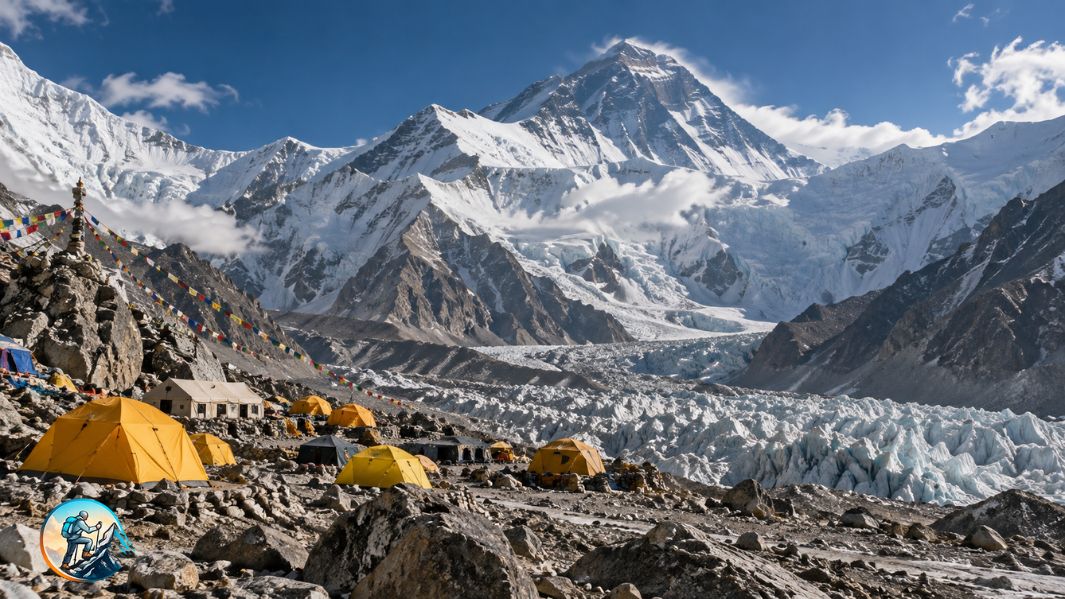
Advanced Base Camp sounds like a step beyond Everest Base Camp. In reality, it’s a different level of Himalayan travel. On Everest’s north side in Tibet, ABC sits near the East Rongbuk Glacier and beneath the great North Col. It is a place associated with expedition teams, acclimatization rotations, yak-supported loads, fierce wind, thin air, and days when simply walking steadily can feel like serious work. The scenery is immense, but the experience rewards patience more than bravado.
What Makes Advanced Base Camp Different?
The biggest difference is altitude. Everest’s north-side Advanced Base Camp is around 6,400 meters above sea level, far higher than the road-accessible visitor areas near Rongbuk. At this height, the landscape feels stripped to its essentials: rock, ice, glacier, sky, tents, and the dark mass of Everest rising above everything. This is not a typical sightseeing stop. Most travelers visit the north-side base-camp area, while reaching ABC belongs to organized trekking or climbing itineraries with permits, guides, support staff, and careful acclimatization.
Advanced Base Camp Is About Acclimatization, Not Speed
Remember one rule: altitude decides the pace throughout the entire journey. Fitness helps, but it does not make a traveler immune to altitude illness. A sensible itinerary allows several days to adapt before moving higher, often using lower camps and gradual height gain. Headache, unusual fatigue, nausea, dizziness, or poor coordination should never be treated as badges of toughness. When symptoms worsen, going lower and following professional medical guidance is more important than reaching a camp on schedule.
Preparing for the Journey
Training should focus on steady endurance rather than short bursts of gym intensity. Build up with hill walking, stair sessions, loaded hikes, and consecutive days on your feet. Strong legs matter, but so do balance, recovery, and mental patience. Travelers should test boots, gloves, base layers, sunglasses, and backpack systems long before departure. At serious altitude, a small problem such as a blister, wet glove, or badly fitted pack can become exhausting.
Packing should prioritize warmth and simplicity. Conditions can change quickly, so dependable insulation, wind protection, sun protection, hydration capacity, and personal medications deserve more attention than extra gadgets. Expedition organizers usually specify technical equipment, sleeping systems, and baggage limits, so their checklist should take priority over generic internet packing lists.
When Is the Best Time to Go?
Everest expeditions traditionally concentrate around the pre-monsoon spring season, when teams prepare for higher climbs and weather windows. Even then, conditions at ABC can be bitterly cold, dry, and windy. Mountain weather does not follow a sightseeing timetable, so spare days are valuable. Travelers should confirm current Tibet access rules, expedition permissions, insurance requirements, and evacuation arrangements with an experienced licensed operator before paying for a trip, because access can change.
What Does the Route Feel Like?
The approach is less about dramatic daily mileage and more about the slow transition into a harsher world. Lower on the Tibetan plateau, the journey can include broad valleys, monasteries, small settlements, and long road sections. Higher up, vegetation fades, and the ground becomes increasingly glacial. Yaks may carry loads, while trekkers focus on breathing, eating, drinking, and maintaining an even rhythm.
The Best Way to Experience Advanced Base Camp
Do not rush for photographs the moment you arrive. Put down your pack, settle your breathing, look toward the North Col, and give the scale of the place time to register. The most memorable moments are often quiet ones: ice cracking in the distance, prayer flags snapping in the wind, sunset touching the upper mountain, or a shared cup of something warm inside a tent.
A line mountaineers often repeat captures the right attitude: “The mountain will always be there.” Whether the wording changes from person to person, the lesson holds. Turning around, resting longer, or adjusting a plan is not failure; in high mountains, good judgment is part of the achievement.
Is Advanced Base Camp Worth It?
For experienced, well-prepared travelers who understand the altitude and travel restrictions, Advanced Base Camp can be one of the most powerful ways to encounter Everest without attempting the summit. The reward is not comfort. It is perspective: seeing how enormous the mountain really is, feeling how slowly the body moves in thin air, and realizing why successful Himalayan travel depends on humility.
Go for the landscape, but respect the logistics. Train steadily, acclimatize conservatively, travel with qualified professionals, and leave room for weather and changing regulations. If the mountain grants you a clear morning beneath Everest’s north face, you may return with something better than a checklist victory: a sharper sense of your own limits, and a memory that stays vivid long after the cold has faded.
You May Read Also: Travel Through Assimilasjon: Understanding Culture Without Losing the Human Story

Emma Poppy Deyes: The Inspiring Story of Poppy Deyes, Her Career, Family, and Lifestyle Brand

Laura Sherriff: The Inspiring Story of Craig Phillips’ Wife, TV Presenter and DIY Entrepreneur

Classroom 15x: The Ultimate Guide to Free Online Games, Features, Benefits, and Safe Gaming

Crackstube Explained: A Complete Guide to Its Features, Content, Safety, and Digital Publishing Platform
Nomurano: Discover the Powerful Meaning Behind Modern Creativity, Design, and Intentional Living

Instagram Video Downloader: The Ultimate Guide to Saving Instagram Videos Safely and Easily

Provascin: A Complete Guide to Its Ingredients, Potential Benefits, Uses, and Safety

Tikcotech Explained: Powerful Features, Digital Tools, Benefits, and Everything You Should Know

Cristher: A Complete Guide to Premium Outdoor Lighting, Innovative Design, and Architectural Solutions

HMJones.net Explained: A Complete Guide to Business Loans, Funding Options, and Smarter Financial Decisions
Crackstube Explained: A Complete Guide to Its Features, Content, Safety, and Digital Publishing Platform
Nomurano: Discover the Powerful Meaning Behind Modern Creativity, Design, and Intentional Living

Mindset Energy: The Powerful Secret to Better Focus, Confidence, and Personal Growth
Everest Base Camp Trek vs Manaslu Circuit Trek: Routes, Difficulty, Costs, Altitude and Mountain Experience

iProwess: Discover the Innovative Audio Brand Combining Smart Sound, Lighting, and Modern Technology
HMJones.net Explained: A Complete Guide to Business Loans, Funding Options, and Smarter Financial Decisions

Discover Europe Differently: How European Active Projects Are Reshaping Modern Travel
Instagram Video Downloader: The Ultimate Guide to Saving Instagram Videos Safely and Easily

Plan Better Family Adventures With Thomsonkids.com: Ideas for Easier, Happier Travel
Planning America Smarter: How tozymagazine.com USA Can Inspire Better Trips
Emma Poppy Deyes: The Inspiring Story of Poppy Deyes, Her Career, Family, and Lifestyle Brand
Laura Sherriff: The Inspiring Story of Craig Phillips’ Wife, TV Presenter and DIY Entrepreneur
Classroom 15x: The Ultimate Guide to Free Online Games, Features, Benefits, and Safe Gaming
Crackstube Explained: A Complete Guide to Its Features, Content, Safety, and Digital Publishing Platform
Nomurano: Discover the Powerful Meaning Behind Modern Creativity, Design, and Intentional Living
Instagram Video Downloader: The Ultimate Guide to Saving Instagram Videos Safely and Easily
Provascin: A Complete Guide to Its Ingredients, Potential Benefits, Uses, and Safety
Tikcotech Explained: Powerful Features, Digital Tools, Benefits, and Everything You Should Know
Cristher: A Complete Guide to Premium Outdoor Lighting, Innovative Design, and Architectural Solutions
HMJones.net Explained: A Complete Guide to Business Loans, Funding Options, and Smarter Financial Decisions
-
Technology20 hours ago
Crackstube Explained: A Complete Guide to Its Features, Content, Safety, and Digital Publishing Platform
-
 Blog2 months ago
Beyond the Cages: How an Artificial Zoo Could Redefine Wildlife Travel
-
Blog21 hours ago
Nomurano: Discover the Powerful Meaning Behind Modern Creativity, Design, and Intentional Living
-
Blog1 day ago
Mindset Energy: The Powerful Secret to Better Focus, Confidence, and Personal Growth