
Adventure Travel
Travel Through Assimilasjon: Understanding Culture Without Losing the Human Story

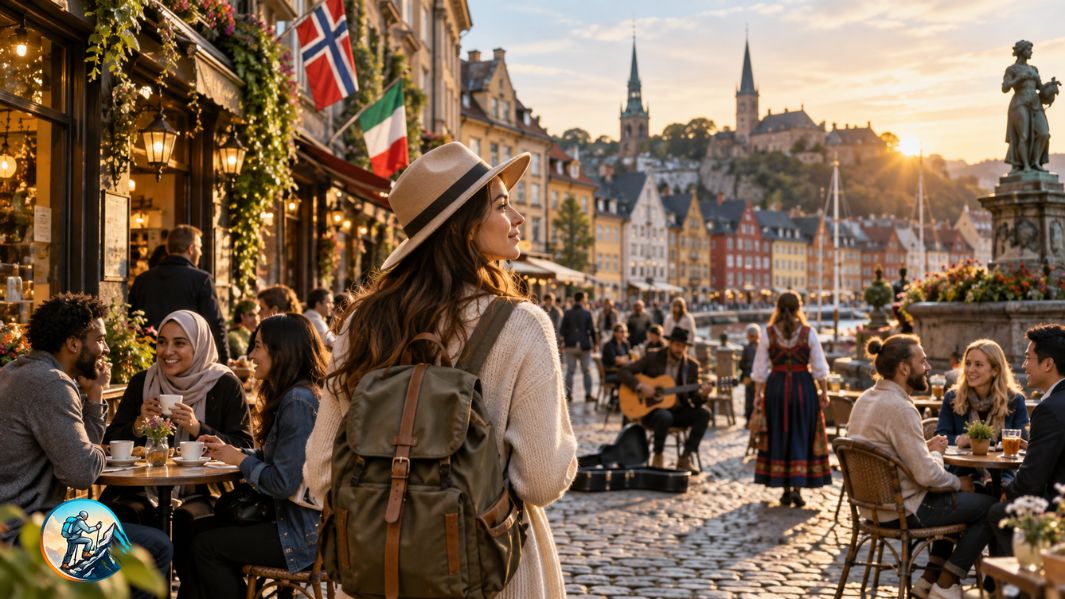
Travel changes the way we see culture, but it also reveals what happens when cultures meet, adapt, and sometimes lose parts of themselves. Assimilasjon, the Norwegian word for assimilation, describes a process in which people or groups become more like a dominant culture. For travelers, the idea matters because every destination carries layers of cultural identity. Language, food, festivals, and customs can show how communities change over time. Exploring these layers respectfully makes a journey richer than simply collecting landmarks.
What Assimilasjon Means for Travelers
When you enter a new country, you notice differences in how people greet, eat, dress, and communicate. Assimilasjon helps explain why some communities retain strong local traditions while others gradually adopt the habits of a larger society. It can shape what you hear in markets, which languages appear on signs, how neighborhoods look, and which traditions are celebrated openly.
For a traveler, the best approach is curiosity without judgment. Avoid assuming that a community is “more authentic” simply because it looks traditional. Culture is always moving. People may combine old customs with modern lifestyles, speak several languages, or identify with more than one place at once. That complexity is part of the destination, not a problem to solve.
How Assimilasjon Shapes Cultural Travel
Cultural travel becomes more meaningful when you look beyond monuments and famous attractions. A city can tell its story through cafés, religious buildings, local markets, music venues, and community centers. These places often reveal how minority and majority cultures interact.
Assimilation is different from integration. Integration generally allows people to participate in a wider society while keeping important parts of their original identity, whereas assimilation often involves becoming increasingly similar to the dominant culture. Understanding that distinction helps travelers avoid oversimplifying local history.
On my own travels, I have found that small conversations often teach more than guided tours. A shopkeeper explaining a family recipe, a taxi driver switching between languages, or a student describing local traditions can reveal how identity changes across generations. These moments remind us that culture is lived, not displayed for visitors.
Assimilasjon and Language on the Road
Language is one of the clearest places to notice cultural change. Travelers may find older residents speaking a minority language while younger people mainly use the national language. In other places, both languages may appear together in schools, street signs, music, or public events.
How Assimilasjon Appears Through Local Language
You do not need to become a linguist to travel respectfully. Learn a few local words, pronounce place names carefully, and ask people which language they prefer. Even a simple greeting shows you value the culture in front of you.
Practical Ways to Travel Respectfully
Before visiting a culturally diverse region, read about its history from reliable sources. Learn which groups have lived there, which languages are spoken, and whether certain traditions are sensitive or sacred. This preparation prevents awkward mistakes and makes local experiences more meaningful.
Choose locally owned restaurants, guides, guesthouses, and shops when possible. Ask before photographing people, ceremonies, homes, or religious spaces. At museums or heritage sites, notice how the community describes itself rather than relying only on tourist stereotypes.
Most importantly, listen. Travelers often arrive with questions, but not everyone wants to explain their identity. Respect boundaries. A thoughtful visitor observes, asks politely, and accepts that some stories are personal.
Common Questions About Assimilasjon in Travel
Does Assimilasjon mean travelers should adopt local culture completely? No. Visitors should respect local customs, but respectful travel does not require pretending to belong to a culture that is not theirs.
Can cultural assimilation make destinations less interesting? Not necessarily. Cultures constantly evolve. New music, food, language, and art can emerge when communities interact. The question is whether people can keep their identity or feel pressured to abandon it.
How can travelers support cultural diversity? Spend money with local businesses, attend community-led cultural experiences, learn basic local phrases, and avoid treating minority traditions as entertainment.
Why Assimilasjon Adds Depth to a Journey
Travel is at its best when it helps us notice the people behind the scenery. Thinking about Assimilasjon encourages travelers to ask better questions: Who lived here before? Which languages shaped this place? What traditions survived? What changed, and why?
A useful travel motto is, “Leave with more understanding than you arrived with.” That does not require perfect knowledge. It requires attention, humility, and genuine interest.
When you travel with that mindset, destinations stop feeling like backdrops. They become living communities shaped by memory, adaptation, migration, and choice. Assimilasjon is more than a cultural concept; it is a lens that can help travelers see places with greater cultural sensitivity. The most memorable journeys are often the ones where we learn not only where people live, but how they belong.
You May Read Also: Travel Smarter With a Blazertje: The Stylish Layer Every Trip Needs

Emma Poppy Deyes: The Inspiring Story of Poppy Deyes, Her Career, Family, and Lifestyle Brand

Laura Sherriff: The Inspiring Story of Craig Phillips’ Wife, TV Presenter and DIY Entrepreneur

Classroom 15x: The Ultimate Guide to Free Online Games, Features, Benefits, and Safe Gaming

Crackstube Explained: A Complete Guide to Its Features, Content, Safety, and Digital Publishing Platform

Nomurano: Discover the Powerful Meaning Behind Modern Creativity, Design, and Intentional Living

Instagram Video Downloader: The Ultimate Guide to Saving Instagram Videos Safely and Easily

Provascin: A Complete Guide to Its Ingredients, Potential Benefits, Uses, and Safety

Tikcotech Explained: Powerful Features, Digital Tools, Benefits, and Everything You Should Know

Cristher: A Complete Guide to Premium Outdoor Lighting, Innovative Design, and Architectural Solutions

HMJones.net Explained: A Complete Guide to Business Loans, Funding Options, and Smarter Financial Decisions
Crackstube Explained: A Complete Guide to Its Features, Content, Safety, and Digital Publishing Platform
Nomurano: Discover the Powerful Meaning Behind Modern Creativity, Design, and Intentional Living

Mindset Energy: The Powerful Secret to Better Focus, Confidence, and Personal Growth

Everest Base Camp Trek vs Manaslu Circuit Trek: Routes, Difficulty, Costs, Altitude and Mountain Experience

iProwess: Discover the Innovative Audio Brand Combining Smart Sound, Lighting, and Modern Technology
HMJones.net Explained: A Complete Guide to Business Loans, Funding Options, and Smarter Financial Decisions

Discover Europe Differently: How European Active Projects Are Reshaping Modern Travel
Instagram Video Downloader: The Ultimate Guide to Saving Instagram Videos Safely and Easily

Plan Better Family Adventures With Thomsonkids.com: Ideas for Easier, Happier Travel
Planning America Smarter: How tozymagazine.com USA Can Inspire Better Trips
Emma Poppy Deyes: The Inspiring Story of Poppy Deyes, Her Career, Family, and Lifestyle Brand
Laura Sherriff: The Inspiring Story of Craig Phillips’ Wife, TV Presenter and DIY Entrepreneur
Classroom 15x: The Ultimate Guide to Free Online Games, Features, Benefits, and Safe Gaming
Crackstube Explained: A Complete Guide to Its Features, Content, Safety, and Digital Publishing Platform
Nomurano: Discover the Powerful Meaning Behind Modern Creativity, Design, and Intentional Living
Instagram Video Downloader: The Ultimate Guide to Saving Instagram Videos Safely and Easily
Provascin: A Complete Guide to Its Ingredients, Potential Benefits, Uses, and Safety
Tikcotech Explained: Powerful Features, Digital Tools, Benefits, and Everything You Should Know
Cristher: A Complete Guide to Premium Outdoor Lighting, Innovative Design, and Architectural Solutions
HMJones.net Explained: A Complete Guide to Business Loans, Funding Options, and Smarter Financial Decisions
-
Technology19 hours ago
Crackstube Explained: A Complete Guide to Its Features, Content, Safety, and Digital Publishing Platform
-
 Blog2 months ago
Beyond the Cages: How an Artificial Zoo Could Redefine Wildlife Travel
-
Blog20 hours ago
Nomurano: Discover the Powerful Meaning Behind Modern Creativity, Design, and Intentional Living
-
Blog1 day ago
Mindset Energy: The Powerful Secret to Better Focus, Confidence, and Personal Growth