
Budget Travel
A Clear Guide to the HMRC Savings Tax Letter and What It Means for Your Money

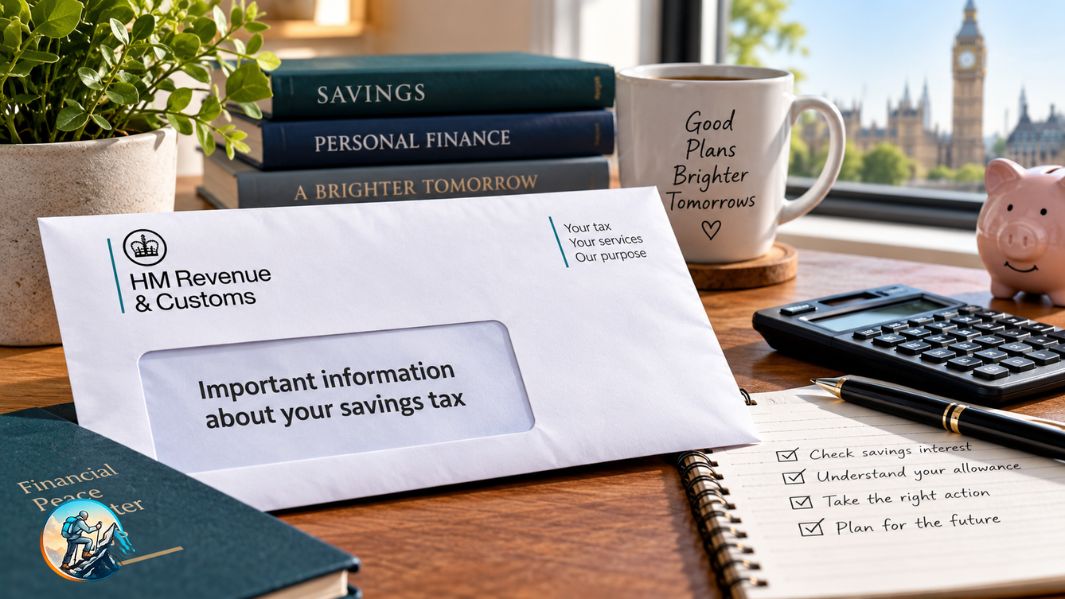
Receiving an HMRC savings tax letter can feel unsettling. In most cases, the letter is simply HM Revenue and Customs explaining how savings interest has affected your Income Tax position. Banks and building societies report interest to HMRC after the tax year ends, and HMRC uses that information to calculate whether additional tax is due.
The key is not to panic. Read the figures carefully and compare them with your bank statements. A letter may reflect interest from several accounts, an estimated figure used in your tax code, or a Simple Assessment where tax cannot be collected through PAYE. Check each figure before taking action.
What Is an HMRC Savings Tax Letter?
An HMRC savings tax letter is usually a tax calculation or Simple Assessment explaining tax due on savings interest. Interest from ordinary bank accounts and building society accounts can be taxable, while interest earned inside an ISA is generally tax-free.
HMRC normally receives interest information directly from financial institutions. If your taxable interest exceeds the allowances available, HMRC may adjust your PAYE tax code or send a bill showing what you owe.
Why You May Receive an HMRC Savings Tax Letter
The most common reason is that your savings generated more interest than your tax-free allowance covered. Rising savings balances or better interest rates can push people above the limit even if savings tax is new to them.
For the 2026–27 tax year, the Personal Savings Allowance is up to £1,000 for basic-rate taxpayers and £500 for higher-rate taxpayers. Additional-rate taxpayers do not receive this allowance. People with low non-savings income may also qualify for the starting rate for savings, which provides up to £5,000 of savings interest at 0%, depending on other income.
Does the Letter Mean HMRC Thinks You Did Something Wrong?
Usually, no. A savings tax calculation does not automatically suggest wrongdoing. It often means HMRC has matched information supplied by banks with your income records and calculated extra tax.
How HMRC Works Out Tax on Savings Interest
HMRC looks at your total taxable income. Your tax band helps determine which savings allowance applies. If interest exceeds the available allowance, HMRC normally taxes the excess at your savings Income Tax rate.
If you are employed or receive a pension, HMRC may collect tax by changing your tax code. The code can include tax owed from a previous year and estimated current-year savings interest.
HMRC Savings Tax Letter: What Should You Check First?
Start by comparing the interest shown with your bank or building society statements. Check every account, including joint accounts, because HMRC normally divides joint-account interest equally unless a different ownership split applies.
Then check the tax year. Savings tax calculations can arrive months after the relevant year has ended, so use statements from the correct period.
Also review whether the calculation reflects your Personal Allowance, Personal Savings Allowance, and the starting rate for savings.
What If the Savings Interest Figure Looks Wrong?
If the amount appears too high, do not ignore the letter. HMRC may have used information reported by your bank or an estimate based on a previous year. Gather your statements and calculate the actual interest for that tax year.
If the letter is a Simple Assessment and you believe information is incorrect, HMRC says you should contact them within 60 days. For an estimated amount in a PAYE code, you can ask HMRC to update the figure so deductions are more accurate.
A useful rule is: “A tax letter is easier to handle when every number has a paper trail.” Keep interest certificates, statements and HMRC correspondence together.
When Do You Need to Pay?
If HMRC sends a Simple Assessment, the letter will state the amount due and deadline. For the 2025–26 tax year, a Simple Assessment received before 31 October 2026 is generally due by 31 January 2027; later letters may state a different deadline.
People already completing Self Assessment should normally report taxable savings interest on their tax return. If savings and investment income exceeds £10,000, HMRC may require a Self Assessment return.
Final Thoughts
Treat an HMRC savings tax letter as a calculation to verify, not a reason to panic. Check the interest figure, confirm the tax year, review your allowances, and compare everything with your records before paying or challenging it.
Savings tax has become more noticeable as interest earnings have increased, so even careful savers can receive an unexpected letter. Understanding the rules gives you control: verify the figures, keep good records, and respond promptly when something looks wrong. That habit can turn a confusing HMRC envelope into a manageable financial task.
You May Read Also: A Story-Led Escape: Exploring Novelcrow Through Literary Travel

Emma Poppy Deyes: The Inspiring Story of Poppy Deyes, Her Career, Family, and Lifestyle Brand

Laura Sherriff: The Inspiring Story of Craig Phillips’ Wife, TV Presenter and DIY Entrepreneur

Classroom 15x: The Ultimate Guide to Free Online Games, Features, Benefits, and Safe Gaming

Crackstube Explained: A Complete Guide to Its Features, Content, Safety, and Digital Publishing Platform

Nomurano: Discover the Powerful Meaning Behind Modern Creativity, Design, and Intentional Living

Instagram Video Downloader: The Ultimate Guide to Saving Instagram Videos Safely and Easily

Provascin: A Complete Guide to Its Ingredients, Potential Benefits, Uses, and Safety

Tikcotech Explained: Powerful Features, Digital Tools, Benefits, and Everything You Should Know

Cristher: A Complete Guide to Premium Outdoor Lighting, Innovative Design, and Architectural Solutions

HMJones.net Explained: A Complete Guide to Business Loans, Funding Options, and Smarter Financial Decisions
Crackstube Explained: A Complete Guide to Its Features, Content, Safety, and Digital Publishing Platform
Nomurano: Discover the Powerful Meaning Behind Modern Creativity, Design, and Intentional Living

Everest Base Camp Trek vs Manaslu Circuit Trek: Routes, Difficulty, Costs, Altitude and Mountain Experience

Mindset Energy: The Powerful Secret to Better Focus, Confidence, and Personal Growth

iProwess: Discover the Innovative Audio Brand Combining Smart Sound, Lighting, and Modern Technology
HMJones.net Explained: A Complete Guide to Business Loans, Funding Options, and Smarter Financial Decisions

Discover Europe Differently: How European Active Projects Are Reshaping Modern Travel
Instagram Video Downloader: The Ultimate Guide to Saving Instagram Videos Safely and Easily

Plan Better Family Adventures With Thomsonkids.com: Ideas for Easier, Happier Travel

Planning America Smarter: How tozymagazine.com USA Can Inspire Better Trips
Emma Poppy Deyes: The Inspiring Story of Poppy Deyes, Her Career, Family, and Lifestyle Brand
Laura Sherriff: The Inspiring Story of Craig Phillips’ Wife, TV Presenter and DIY Entrepreneur
Classroom 15x: The Ultimate Guide to Free Online Games, Features, Benefits, and Safe Gaming
Crackstube Explained: A Complete Guide to Its Features, Content, Safety, and Digital Publishing Platform
Nomurano: Discover the Powerful Meaning Behind Modern Creativity, Design, and Intentional Living
Instagram Video Downloader: The Ultimate Guide to Saving Instagram Videos Safely and Easily
Provascin: A Complete Guide to Its Ingredients, Potential Benefits, Uses, and Safety
Tikcotech Explained: Powerful Features, Digital Tools, Benefits, and Everything You Should Know
Cristher: A Complete Guide to Premium Outdoor Lighting, Innovative Design, and Architectural Solutions
HMJones.net Explained: A Complete Guide to Business Loans, Funding Options, and Smarter Financial Decisions
-
Technology20 hours ago
Crackstube Explained: A Complete Guide to Its Features, Content, Safety, and Digital Publishing Platform
-
 Blog2 months ago
Beyond the Cages: How an Artificial Zoo Could Redefine Wildlife Travel
-
Blog21 hours ago
Nomurano: Discover the Powerful Meaning Behind Modern Creativity, Design, and Intentional Living
-
Blog1 day ago
Mindset Energy: The Powerful Secret to Better Focus, Confidence, and Personal Growth