
Budget Travel
Beyond the Crowds: aurö and the Art of Traveling More Slowly

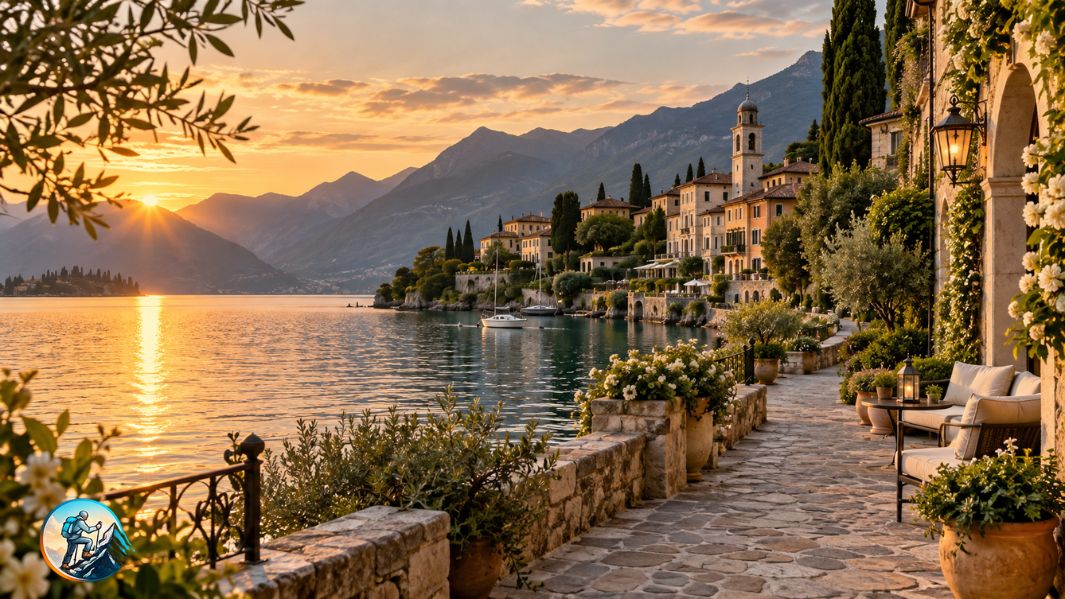
Travel is often sold as a race: more cities, more landmarks, more photos, more proof that you were there. aurö suggests a different rhythm. Rather than treating the word as the name of a single established destination, this guide uses aurö as a travel idea built around calm places, thoughtful movement, local character, and time to notice what hurried visitors miss. It suits travelers who want slow travel, coastal escapes, quiet destinations, and authentic local experiences.
Why aurö Fits the New Mood of Travel
aurö’s strongest appeal is simplicity. Imagine waking in a small seaside town, walking to a bakery before the streets become busy, taking a local bus instead of rushing into a taxi, and leaving an afternoon unplanned. The goal is not luxury or isolation. It creates space for mindful travel, conversation, scenery, food, and ordinary moments that become memorable.
For travelers tired of crowded attractions and tight itineraries, this approach can reduce decision fatigue. Pick one base for several nights, explore within a short radius, and choose fewer activities with more time between them. A harbor walk, village market, family-run café, coastal trail, or sunset viewpoint can feel more rewarding when you are not checking the clock.
How to Experience aurö Without Overplanning
Start by choosing a destination with a walkable center, transport, and access to nature. Coastal towns, lakeside communities, island villages, and mountain settlements often work well because they combine scenery with local life. Book accommodation near the center to cut down on car use. Then build each day around one main experience and leave the rest flexible.
The practical rule is simple: protect your free time. If you schedule a museum in the morning, avoid filling the afternoon. If the weather changes, use that open space for a market, café, short train ride, or indoor cultural stop. This makes the trip more resilient and can save money because you are less likely to pay for activities you no longer want.
Planning an aurö-Inspired Trip on a Realistic Budget
A calm trip does not need to be expensive. Staying longer in one place can lower transport costs and make multi-night accommodation better value. Travel in the shoulder season when possible, compare rail and bus options, and eat where residents eat rather than around the busiest landmarks. A picnic from a local market can be affordable and interesting.
Pack light enough to move comfortably. Walking shoes, a reusable bottle, a rain layer, a day bag, and offline maps solve more problems than an overfilled suitcase. Keep digital copies of essential documents and allow extra transfer time between trains, ferries, or regional buses. Slow travel still requires preparation; planning supports freedom instead of controlling every hour.
Is aurö Best for Solo Travelers, Couples, or Families?
It can work for all three, but the pace should match the group. Solo travelers may enjoy the freedom to linger in bookstores, cafés, galleries, or scenic viewpoints. Couples can use the slower schedule to share meals and walks without constantly moving. Families should keep distances short, choose practical accommodation, and mix cultural stops with parks, beaches, or open spaces.
The biggest mistake is confusing “slow” with “doing nothing.” A successful aurö-style trip still has curiosity and movement; it simply avoids unnecessary pressure. Think depth over volume. One neighborhood explored properly can be more satisfying than five rushed districts seen through a taxi window.
The Best Moments Are Often the Unplanned Ones
Some of my favorite travel memories have come from plans that changed: a ferry delayed by wind, a café discovered while waiting for rain to stop, or a local recommendation that replaced a famous attraction. Those experiences are hard to manufacture. They appear when your schedule has room for surprise.
As the familiar saying goes, “The journey matters as much as the destination.” In aurö, that idea becomes practical. Walk when distances are reasonable. Sit down for lunch. Learn a few local phrases. Ask where residents go for an evening view. Watch how a place changes between morning and night.
Conclusion: Let aurö Change the Way You Move
aurö is most useful when treated as a reminder: travel can be rich without being rushed. Choose fewer places, stay longer, spend locally, move thoughtfully, and leave room for the unexpected. You may return home with fewer landmark photos, but with a clearer memory of how the place felt.
For your next journey, resist the urge to fill every blank space. Pick a destination that rewards wandering, plan the essentials, and let the rest unfold. The quiet hour by the water, a conversation with a shopkeeper, or a road followed because it looked interesting may become the reason you remember the trip.
You May Read Also: Beyond Everest Base Camp: Why Advanced Base Camp Is the Journey Few Travelers Forget

Emma Poppy Deyes: The Inspiring Story of Poppy Deyes, Her Career, Family, and Lifestyle Brand

Laura Sherriff: The Inspiring Story of Craig Phillips’ Wife, TV Presenter and DIY Entrepreneur

Classroom 15x: The Ultimate Guide to Free Online Games, Features, Benefits, and Safe Gaming

Crackstube Explained: A Complete Guide to Its Features, Content, Safety, and Digital Publishing Platform
Nomurano: Discover the Powerful Meaning Behind Modern Creativity, Design, and Intentional Living

Instagram Video Downloader: The Ultimate Guide to Saving Instagram Videos Safely and Easily

Provascin: A Complete Guide to Its Ingredients, Potential Benefits, Uses, and Safety

Tikcotech Explained: Powerful Features, Digital Tools, Benefits, and Everything You Should Know

Cristher: A Complete Guide to Premium Outdoor Lighting, Innovative Design, and Architectural Solutions

HMJones.net Explained: A Complete Guide to Business Loans, Funding Options, and Smarter Financial Decisions
Crackstube Explained: A Complete Guide to Its Features, Content, Safety, and Digital Publishing Platform
Nomurano: Discover the Powerful Meaning Behind Modern Creativity, Design, and Intentional Living

Mindset Energy: The Powerful Secret to Better Focus, Confidence, and Personal Growth
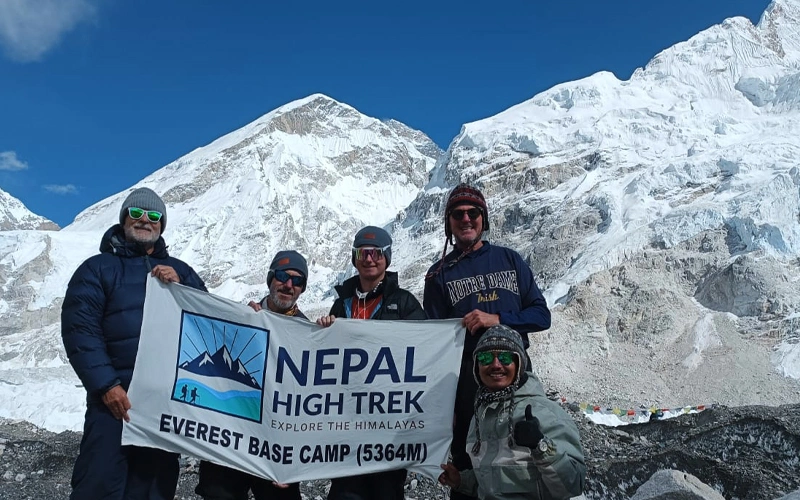
Everest Base Camp Trek vs Manaslu Circuit Trek: Routes, Difficulty, Costs, Altitude and Mountain Experience
HMJones.net Explained: A Complete Guide to Business Loans, Funding Options, and Smarter Financial Decisions
Discover Europe Differently: How European Active Projects Are Reshaping Modern Travel
Instagram Video Downloader: The Ultimate Guide to Saving Instagram Videos Safely and Easily

iProwess: Discover the Innovative Audio Brand Combining Smart Sound, Lighting, and Modern Technology
Provascin: A Complete Guide to Its Ingredients, Potential Benefits, Uses, and Safety

7 Arizona Road Trips Worth Adding to Your Travel Bucket List
Emma Poppy Deyes: The Inspiring Story of Poppy Deyes, Her Career, Family, and Lifestyle Brand
Laura Sherriff: The Inspiring Story of Craig Phillips’ Wife, TV Presenter and DIY Entrepreneur
Classroom 15x: The Ultimate Guide to Free Online Games, Features, Benefits, and Safe Gaming
Crackstube Explained: A Complete Guide to Its Features, Content, Safety, and Digital Publishing Platform
Nomurano: Discover the Powerful Meaning Behind Modern Creativity, Design, and Intentional Living
Instagram Video Downloader: The Ultimate Guide to Saving Instagram Videos Safely and Easily
Provascin: A Complete Guide to Its Ingredients, Potential Benefits, Uses, and Safety
Tikcotech Explained: Powerful Features, Digital Tools, Benefits, and Everything You Should Know
Cristher: A Complete Guide to Premium Outdoor Lighting, Innovative Design, and Architectural Solutions
HMJones.net Explained: A Complete Guide to Business Loans, Funding Options, and Smarter Financial Decisions
-
Technology19 hours ago
Crackstube Explained: A Complete Guide to Its Features, Content, Safety, and Digital Publishing Platform
-
 Blog2 months ago
Beyond the Cages: How an Artificial Zoo Could Redefine Wildlife Travel
-
Blog20 hours ago
Nomurano: Discover the Powerful Meaning Behind Modern Creativity, Design, and Intentional Living
-
Blog1 day ago
Mindset Energy: The Powerful Secret to Better Focus, Confidence, and Personal Growth