

What Asbestlint Means for Travelers
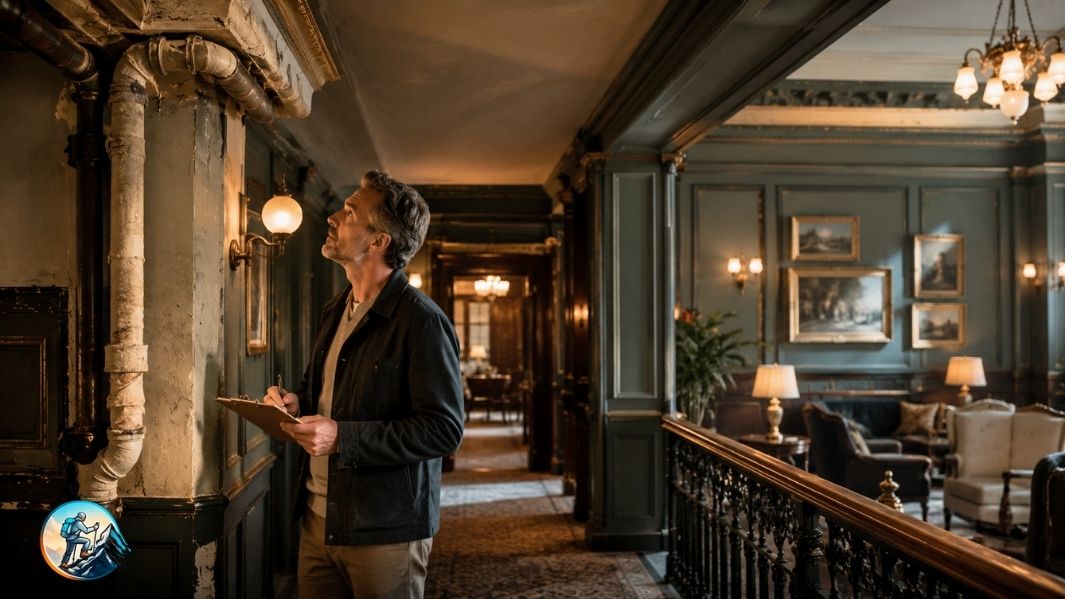
The word Asbestlint can sound like a destination or travel product. Still, you’ll usually encounter it online in discussions about asbestos-related fibers, old insulating tape, rope, or lint-like material. It is not a formal scientific classification, so travelers should not assume that every dusty strip, frayed seal, or old pipe covering is asbestos. The useful takeaway is simpler: older buildings may contain asbestos-containing materials, and concern increases when those materials are damaged or disturbed. For travelers staying in historic hotels, converted farmhouses, old apartments, guesthouses, or industrial-style lofts, awareness matters more than amateur identification.
Where Older Accommodation Can Raise Questions
Historic accommodation is often part of the joy of travel. Original ceilings, old fireplaces, boiler rooms, decorative panels, and vintage service areas can give a property character that modern hotels cannot copy. At the same time, older construction can include materials that predate modern asbestos restrictions. That does not mean an old building is automatically unsafe. Intact materials that remain sealed and undisturbed are different from crumbling insulation, renovation debris, or visibly damaged pipe wrapping. I would not avoid a beautiful heritage property simply because of its age; I would watch for any active renovation, loose fibers, unexplained dust, or damaged insulation near a guest area.
Asbestlint Warning Signs You Should Never Disturb
If you notice frayed tape around pipes, crumbly insulation, broken ceiling material, dusty debris near renovation work, or fibrous material in a utility space, do not touch, sweep, scrape, vacuum, or collect a sample. Appearance alone cannot confirm asbestos. The sensible traveler response is to step away, keep children from the area, and report it to the host, hotel manager, or property operator. A professional assessment is far safer than trying to inspect suspicious material yourself. Think of it like an electrical fault: your job isn’t to diagnose it, but to avoid unnecessary exposure and involve the right person.
What to Do If You Suspect a Problem
Follow four priorities: do not disturb the material, leave the immediate area, inform the property operator, and request a room change or alternative accommodation if the concern is close to where you sleep or spend time. If building work is underway, ask whether the area has been professionally assessed and isolated. Travelers with serious concerns should also follow local health and environmental guidance, as asbestos rules and reporting systems vary by country.
Ordinary dust and asbestos fibers cannot be reliably distinguished by sight. Avoid turning a holiday problem into a DIY investigation. “Good travel is not only about where you go, but how wisely you move through the places you enter.” That matters in unfamiliar buildings where you do not know the renovation history.
Choosing Safer Heritage Hotels and Holiday Rentals
Before booking an older property, read recent reviews for mentions of construction work, dust, damaged ceilings, exposed insulation, or ongoing refurbishment. Look closely at the listing photos, especially if the accommodation advertises a recently renovated basement, attic, boiler room conversion, or industrial interior. A clean and well-maintained property is reassuring, but cleanliness alone cannot prove asbestos is absent.
If a host is carrying out major renovation during your stay, it is reasonable to ask what areas are closed and whether hazardous-material checks were completed before work began. Responsible property managers should be able to explain safety arrangements clearly. For families, longer stays, and travelers with children, accommodation with clearly separated construction zones is a sensible choice.
Conclusion: Travel With Curiosity, Not Carelessness
Asbestlint is best treated as an informal warning concept rather than a material you can confidently identify by eye. For travelers, the real issue is asbestos awareness in older buildings. Enjoy heritage hotels, historic apartments, and character-filled stays, but never disturb suspicious insulation, fibrous debris, or damaged building material. A little caution does not ruin the adventure; it protects it. The smartest traveler is not the one who worries about every old wall, but the one who knows when to admire the history, when to ask a question, and when to walk away from a potential hazard.
You May Read Also: Following a Quiet Breton Thread: Jeannine Belleguic and a Journey Through Quimperlé