

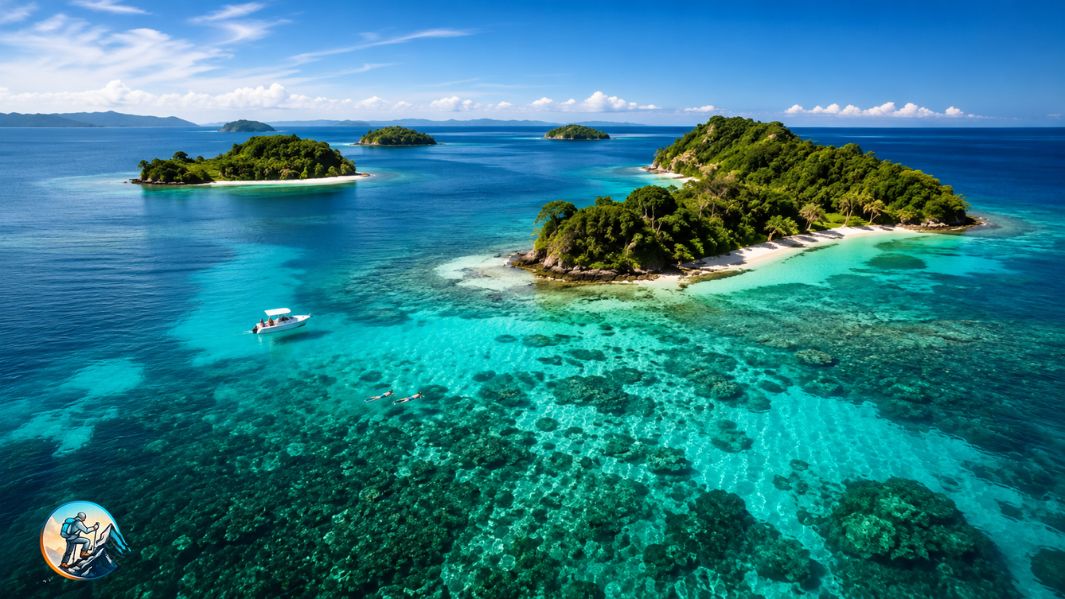
Lucipara is the kind of place that makes well-traveled visitors rethink what “remote” means. Set in Indonesia’s Banda Sea, these small coral islands sit far from busy resorts and easy transport. What you find instead is open ocean, bright reef edges, quiet beaches, turtles, and a sense of isolation that feels rare. For travelers dreaming about remote Indonesian islands, diving, and expedition-style adventure, Lucipara offers a different experience from Bali or Lombok.
This article explains what Lucipara is, why travelers seek it, how to reach the area, when conditions are best, and what to expect underwater. It separates practical travel realities from romantic expectations so readers can judge whether this isolated Banda Sea destination suits their experience, budget, and comfort level.
Why Lucipara Feels So Different
Lucipara’s appeal begins with geography. The islands rise from deep ocean in the central Banda Sea, surrounded by steep reef systems and clear tropical water. No tourist neighborhoods, beach clubs, hotels, or services wait ashore. That absence is what attracts expedition travelers. The scenery feels raw: low green islands, pale sand, intense blue water, and coral dropping into the depths. Marine biodiversity, reef walls, pelagic fish, turtles, and healthy coral habitats are the main reasons visitors make the long journey.
Where Lucipara Is and What Travelers Should Expect
Lucipara lies in eastern Indonesia, southwest of the Penyu Islands and far from major tourism hubs. It is better understood as an expedition stop than a normal island holiday. Visitors should not expect restaurants, ATMs, pharmacies, mobile coverage, or independent accommodation. Most travel is by vessel, so your boat becomes your hotel, restaurant, transport, and safety base. That can be freeing, but it also makes choosing an experienced operator more important than finding the cheapest fare.
How to Reach Lucipara Safely
For most international travelers, the practical route begins in Ambon, the transportation gateway to Maluku. From there, you can reach the Banda Sea via a liveaboard or expedition vessel, sometimes as part of a longer itinerary connecting Ambon, the Banda Islands, or other Indonesian destinations. Lucipara is not a casual day trip. Open-sea distances, changing weather, reefs, currents, and limited infrastructure make professional planning essential. Before booking, confirm safety equipment availability, emergency procedures, insurance requirements, itinerary flexibility, and diving credentials.
Best Time to Visit Lucipara
Monsoon conditions strongly influence Banda Sea voyages. Many operators concentrate crossings during calmer transition periods, especially around March to April and September to November, although schedules vary by year and route. October is particularly popular for Banda Sea diving. Do not treat seasonal patterns as guarantees; open-ocean weather can change quickly. Build spare days into your Indonesian travel plan because domestic flights, crossings, and expedition routes may be delayed or adjusted.
Diving and Snorkeling Around Lucipara
The underwater environment is the headline attraction. Lucipara is known for dramatic wall diving, colorful hard corals, abundant fish life, turtles, and larger ocean species. Some sites may have fast or unpredictable currents, so never exaggerate your experience level. Divers should discuss recent conditions with guides before entering the water, while less experienced travelers may prefer selected snorkeling sessions or easier sites. Night diving can reveal unusual marine life, but attempt it only with qualified supervision and suitable conditions.
Lucipara Travel Safety and Packing Essentials
Pack as though replacements will be difficult to find. Bring reef-safe sun protection, a hat, light long-sleeved clothing, seasickness medication, personal prescriptions, reusable water capacity, dry bags, backup charging options, and copies of important documents. Divers should carry familiar personal equipment where practical. Travel insurance should specifically cover planned activities and emergency evacuation from remote areas. Most importantly, listen to the vessel crew. In the Banda Sea, local knowledge of currents and weather is key to staying safe.
Responsible Travel in a Fragile Marine Environment
Lucipara’s beauty depends on ecosystems that can be damaged quickly. Avoid touching coral, chasing turtles, collecting shells, leaving waste, or standing on living reef. Follow wildlife-distance rules and choose operators that demonstrate responsible waste management and respectful marine practices. A simple principle works here: arrive curious, leave lightly. As Gustave Flaubert wrote, “Travel makes one modest; you see what a tiny place you occupy in the world.”
Conclusion: Is Lucipara Worth the Journey?
Lucipara is worth considering if your idea of luxury is space, silence, healthy reefs, and distance from travel routines. It is not the easiest Indonesian destination, and that is part of its identity. Expect logistics, fewer comforts, and more preparation than on mainstream islands. In return, you may experience Banda Sea adventure travel at its most memorable: remote horizons, underwater scenery, and days shaped more by wind, water, and wildlife than schedules. For the right traveler, Lucipara is not another destination; it is the journey itself.
You May Read Also: Make Summer Unforgettable With Water Slide Rentals for Family Fun