
Budget Travel
Walk Into Korea’s Scholarly Heart: A Meaningful Journey Through Toegye’s Andong

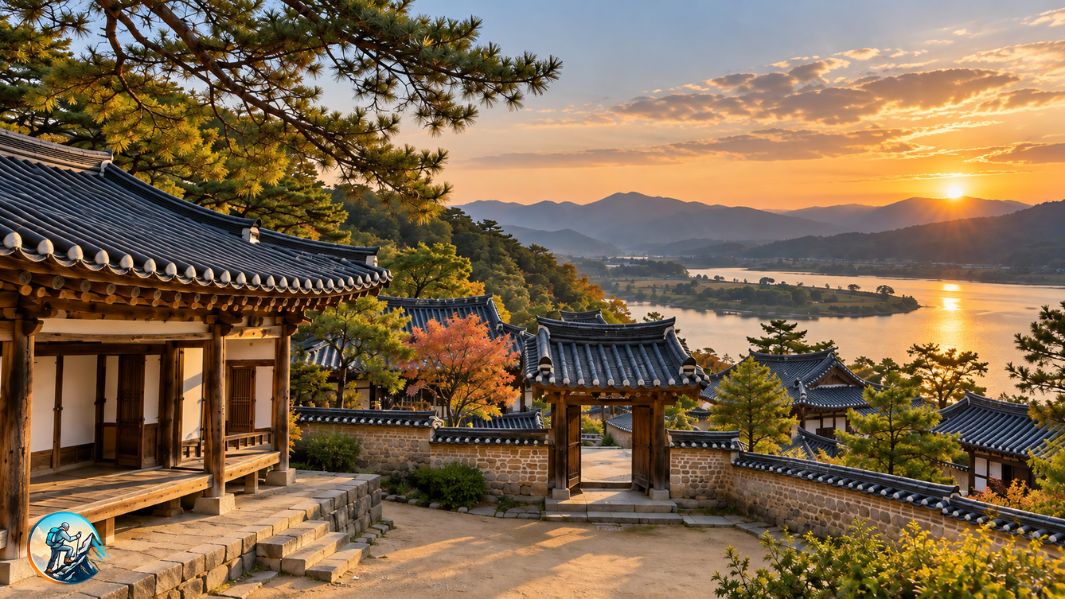
For travelers who enjoy places where history feels personal, Andong offers a quieter side of South Korea. The name Toegye refers to Yi Hwang, the Joseon-era Neo-Confucian scholar. His presence is felt most strongly at Dosan Seowon, a Confucian academy set among hills and water. Its appeal comes from stillness, proportion, landscape, and the sense that learning once happened here slowly.
Why Toegye Still Shapes the Experience of Andong
Toegye Yi Hwang built Dosan Seodang in 1561 as a place for study and teaching. After his death, disciples and scholars expanded the site into Dosan Seowon, which became an important Confucian academy. Today it forms part of the UNESCO-listed Seowon, Korean Neo-Confucian Academies. Walking through the courtyards, visitors encounter wooden buildings, tiled roofs, study rooms, lecture spaces, and views that connect architecture with nature. The setting makes the philosophy easier to understand: education here was linked with self-discipline, reflection, and landscape. KH
What to See at Dosan Seowon
The reason to visit is the atmosphere. Dosan Seowon does not need a packed itinerary to feel worthwhile. Move slowly through the entrance, notice how the buildings sit against the slope, and look toward the river and distant hills. The modest Dosan Seodang, where Yi Hwang studied and taught, is especially meaningful because of its simplicity. Rather than overwhelming visitors with grandeur, the site rewards attention to timber, stone paths, shaded verandas, framed views, and the relationship between indoor learning spaces and the outdoors.
Build a Wider Andong Cultural Trip
The wider Andong area makes a Toegye-focused trip more rewarding. Travelers can pair Dosan Seowon with cultural landscapes, traditional villages, pavilions, and walking routes. Andong preserves many elements of Joseon-period culture, so spending at least one full day in the region adds depth. Visitors interested in architecture may prefer a slower two-day stay, allowing time for Hahoe Village, local hanok scenery, regional food, and an evening walk in central Andong without rushing. VISITKOREA – Imagine Your Korea
When Is the Best Time to Visit Toegye Heritage Sites?
Spring and autumn are especially appealing. Spring brings fresh greenery and softer temperatures, while autumn can turn the surrounding hills red, orange, and gold. Summer is lush but can be hot and humid, and winter offers a quieter mood. Whatever the season, comfortable walking shoes are useful because the visit involves paths, steps, and time outdoors. Arriving earlier in the day can also help you enjoy the academy in a calmer atmosphere.
How to Reach Dosan Seowon
From Andong Station or the intercity bus terminal, public transport can reach Dosan Seowon, but services are less frequent than city-center routes. Current tourism information lists Express Bus 3 as one option serving the academy area. Because rural timetables can change, check departures before you set out and plan your return journey. Travelers who value flexibility can consider a taxi or local tourist-taxi, especially when combining several heritage sites in one day.
Practical Advice for a More Meaningful Visit
A good visit is not about photographing every building. Give yourself roughly ninety minutes to two hours if Dosan Seowon is your main stop, longer if you enjoy interpretation panels, photography, or simply sitting with the landscape. Keep voices low around study halls and shrine areas, follow signs about restricted spaces, and treat the academy as a cultural heritage site rather than a themed attraction. That respectful pace makes the experience more memorable.
To understand Toegye, it helps to travel beyond biography. His legacy shows in how the site joins scholarship, restraint, and scenery. You do not need prior knowledge of Confucian philosophy to appreciate that connection. The academy communicates through space: narrow approaches open into courtyards, modest rooms face wider views, and mountains frame places built for concentration. It is a destination where architecture explains an idea without requiring a lecture.
A Journey Worth Taking Slowly
My favorite kind of journey leaves room for silence, and this part of Andong does exactly that. My own travel rule is simple: “The quieter the road, the more you notice.” At Dosan Seowon, that feels especially true. Watch light move across tiled roofs, pause near the water, and resist rushing onward. The reward isn’t a checklist moment, but a clearer sense of how landscape, education, and character were once imagined as parts of the same life.
A journey through Toegye’s Andong suits travelers seeking cultural depth over crowds. Come for the UNESCO heritage, but stay for the slower rhythm: wooden halls, forested slopes, reflective views, and stories of a scholar who shaped Korean intellectual history. With thoughtful planning and enough time to wander, the visit becomes more than a historical stop. It becomes a reminder that meaningful travel can be quiet, patient, and deeply attentive.
You May Read Also: Travel Smarter with tr-ex.me: A Practical Language Companion for More Confident Trips

Emma Poppy Deyes: The Inspiring Story of Poppy Deyes, Her Career, Family, and Lifestyle Brand

Laura Sherriff: The Inspiring Story of Craig Phillips’ Wife, TV Presenter and DIY Entrepreneur

Classroom 15x: The Ultimate Guide to Free Online Games, Features, Benefits, and Safe Gaming

Crackstube Explained: A Complete Guide to Its Features, Content, Safety, and Digital Publishing Platform
Nomurano: Discover the Powerful Meaning Behind Modern Creativity, Design, and Intentional Living

Instagram Video Downloader: The Ultimate Guide to Saving Instagram Videos Safely and Easily

Provascin: A Complete Guide to Its Ingredients, Potential Benefits, Uses, and Safety

Tikcotech Explained: Powerful Features, Digital Tools, Benefits, and Everything You Should Know

Cristher: A Complete Guide to Premium Outdoor Lighting, Innovative Design, and Architectural Solutions

HMJones.net Explained: A Complete Guide to Business Loans, Funding Options, and Smarter Financial Decisions
Crackstube Explained: A Complete Guide to Its Features, Content, Safety, and Digital Publishing Platform
Nomurano: Discover the Powerful Meaning Behind Modern Creativity, Design, and Intentional Living
Everest Base Camp Trek vs Manaslu Circuit Trek: Routes, Difficulty, Costs, Altitude and Mountain Experience

Mindset Energy: The Powerful Secret to Better Focus, Confidence, and Personal Growth
Instagram Video Downloader: The Ultimate Guide to Saving Instagram Videos Safely and Easily

iProwess: Discover the Innovative Audio Brand Combining Smart Sound, Lighting, and Modern Technology
HMJones.net Explained: A Complete Guide to Business Loans, Funding Options, and Smarter Financial Decisions

Discover Europe Differently: How European Active Projects Are Reshaping Modern Travel

Plan Better Family Adventures With Thomsonkids.com: Ideas for Easier, Happier Travel

Planning America Smarter: How tozymagazine.com USA Can Inspire Better Trips
Emma Poppy Deyes: The Inspiring Story of Poppy Deyes, Her Career, Family, and Lifestyle Brand
Laura Sherriff: The Inspiring Story of Craig Phillips’ Wife, TV Presenter and DIY Entrepreneur
Classroom 15x: The Ultimate Guide to Free Online Games, Features, Benefits, and Safe Gaming
Crackstube Explained: A Complete Guide to Its Features, Content, Safety, and Digital Publishing Platform
Nomurano: Discover the Powerful Meaning Behind Modern Creativity, Design, and Intentional Living
Instagram Video Downloader: The Ultimate Guide to Saving Instagram Videos Safely and Easily
Provascin: A Complete Guide to Its Ingredients, Potential Benefits, Uses, and Safety
Tikcotech Explained: Powerful Features, Digital Tools, Benefits, and Everything You Should Know
Cristher: A Complete Guide to Premium Outdoor Lighting, Innovative Design, and Architectural Solutions
HMJones.net Explained: A Complete Guide to Business Loans, Funding Options, and Smarter Financial Decisions
-
Technology19 hours ago
Crackstube Explained: A Complete Guide to Its Features, Content, Safety, and Digital Publishing Platform
-
 Blog2 months ago
Beyond the Cages: How an Artificial Zoo Could Redefine Wildlife Travel
-
Blog19 hours ago
Nomurano: Discover the Powerful Meaning Behind Modern Creativity, Design, and Intentional Living
-
Blog1 day ago
Mindset Energy: The Powerful Secret to Better Focus, Confidence, and Personal Growth