
Budget Travel
Travel Smarter with Sosoactive: A Practical Guide to Active, Meaningful Adventures

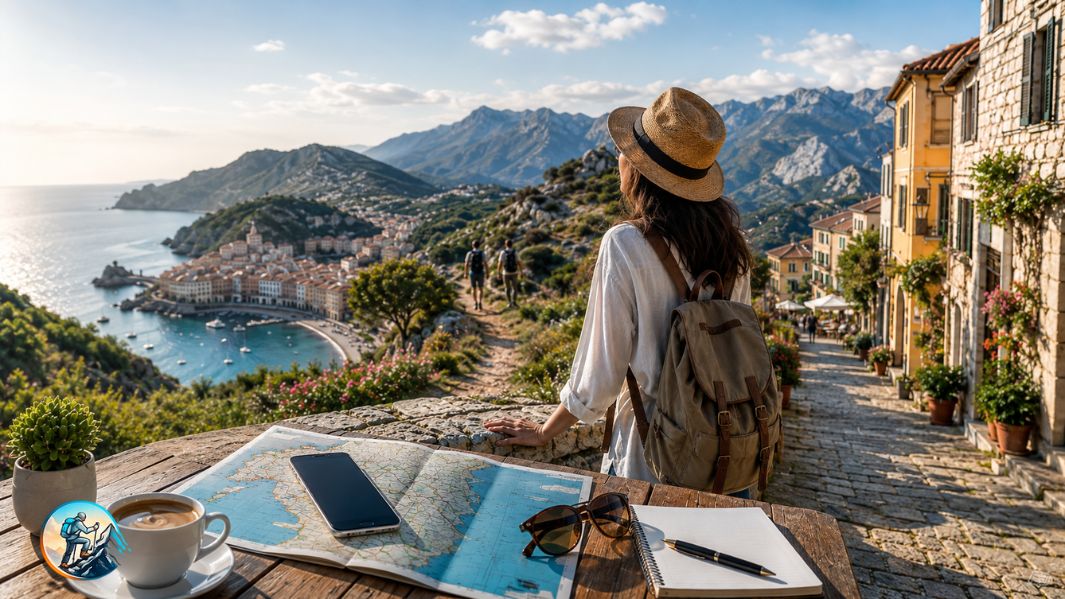
Travel is easier when inspiration turns into a plan you can follow. That is where Sosoactive can fit into a traveler’s routine. Rather than treating travel as a race to collect landmarks, think of it as a chance to combine movement, curiosity, local experiences, and realistic planning. A strong trip should match your budget, energy, and interests. Whether you are planning a weekend escape or a longer journey, the Sosoactive mindset works best when you use lifestyle inspiration as a starting point and then verify practical details before booking.
How Sosoactive Fits Modern Travel Planning
For travelers, Sosoactive can be approached as lifestyle-led inspiration rather than a destination itself. Discover possibilities, identify what suits you, and turn those ideas into a responsible itinerary. Look for budget travel ideas, active holidays, local experiences, wellness travel, and ways to enjoy a place without overloading each day. I prefer this approach because it leaves room for surprises. Some of my best travel memories have come from an unplanned market visit, a waterfront walk, or a neighborhood café that never appeared on a “must-see” list.
Before committing money, separate inspiration from verification. Inspiration can help you choose a direction, but it shouldn’t be your only source for visas, opening hours, transport schedules, weather risks, entry fees, or safety rules. Check current information from airlines, transport operators, accommodation providers, official tourism bodies, and government travel advice. This small habit protects both your budget and your time.
Using Sosoactive to Build a Better Day-by-Day Plan
Start by deciding what kind of traveler you want to be on this particular trip. You may want a walking holiday, a relaxed food-focused break, a family trip, or an outdoor adventure. Then build each day around one main experience instead of six competing attractions. Add a second flexible activity nearby and leave breathing room for meals, transit delays, rest, and spontaneous discoveries. This creates a schedule that feels enjoyable rather than like a checklist.
A useful planning formula is one major activity, one local experience, and one open period each day. For example, spend the morning hiking, the afternoon exploring a neighborhood, and the evening choosing dinner based on where you actually are. If rain changes the plan, replace the outdoor activity with a museum, market, cooking class, or café crawl. Flexible itineraries are especially valuable when traveling with children, older relatives, or anyone who needs a slower pace.
Budgeting Without Making the Trip Feel Cheap
Good travel budgeting is about priorities, not deprivation. Decide where comfort matters most. You might choose a central hotel to reduce transport time, then save by using public transit and eating at casual local restaurants. Another traveler may prefer a cheaper room and spend more on guided activities. Both approaches work.
Create three numbers before booking: your total trip budget, your daily spending target, and an emergency reserve. Keep the reserve separate from ordinary spending. Compare the full cost of flights and rooms, including baggage, taxes, resort fees, airport transfers, and local transport. A low headline price can add up quickly once you include extras.
Pack for Movement, Weather, and Real Life
Smart packing makes an active trip easier. Comfortable walking shoes matter more than an extra outfit. Choose clothing that can be layered, mixed and matched, and adapted to changing weather. Carry a refillable bottle where appropriate, a power bank, essential medication, copies of documents, and a small day bag.
Do not pack for an imaginary version of yourself. If you rarely wear formal clothes at home, you probably do not need several dressy outfits unless your itinerary requires them. Pack around confirmed activities. That keeps luggage lighter and makes transfers far less stressful.
Make Local Experiences Part of the Journey
The most memorable travel often happens between headline attractions. Use markets, parks, neighborhood streets, public transport, small restaurants, and community events to understand what a place feels like. Learn a few polite local phrases and respect cultural expectations around clothing, photography, religious sites, and personal space.
One travel principle has stayed with me: “Leave enough space in the day for the place to surprise you.” It sounds simple, but it changes how you travel. Instead of constantly rushing toward the next stop, you begin noticing details that make a destination distinctive.
Final Thoughts on Traveling with Sosoactive Inspiration
Sosoactive works best as a travel inspiration starting point when you combine ideas with verification and realistic planning. Let it encourage an active, curious, balanced style of travel, but make decisions based on current conditions, personal needs, and reliable booking information. Protect your budget, travel comfortably, and leave room for discovery. A rewarding journey is not the one with the longest checklist; it is the one that gives you stories, confidence, and a sense of the place you visited.
You May Read Also: Machu Picchu Hiking Tours: How to Choose the Right Trek for You

Emma Poppy Deyes: The Inspiring Story of Poppy Deyes, Her Career, Family, and Lifestyle Brand

Laura Sherriff: The Inspiring Story of Craig Phillips’ Wife, TV Presenter and DIY Entrepreneur

Classroom 15x: The Ultimate Guide to Free Online Games, Features, Benefits, and Safe Gaming
Crackstube Explained: A Complete Guide to Its Features, Content, Safety, and Digital Publishing Platform

Nomurano: Discover the Powerful Meaning Behind Modern Creativity, Design, and Intentional Living
Instagram Video Downloader: The Ultimate Guide to Saving Instagram Videos Safely and Easily

Provascin: A Complete Guide to Its Ingredients, Potential Benefits, Uses, and Safety

Tikcotech Explained: Powerful Features, Digital Tools, Benefits, and Everything You Should Know

Cristher: A Complete Guide to Premium Outdoor Lighting, Innovative Design, and Architectural Solutions

HMJones.net Explained: A Complete Guide to Business Loans, Funding Options, and Smarter Financial Decisions
Crackstube Explained: A Complete Guide to Its Features, Content, Safety, and Digital Publishing Platform
Nomurano: Discover the Powerful Meaning Behind Modern Creativity, Design, and Intentional Living

Everest Base Camp Trek vs Manaslu Circuit Trek: Routes, Difficulty, Costs, Altitude and Mountain Experience

Mindset Energy: The Powerful Secret to Better Focus, Confidence, and Personal Growth

Plan Better Family Adventures With Thomsonkids.com: Ideas for Easier, Happier Travel

iProwess: Discover the Innovative Audio Brand Combining Smart Sound, Lighting, and Modern Technology
HMJones.net Explained: A Complete Guide to Business Loans, Funding Options, and Smarter Financial Decisions
Discover Europe Differently: How European Active Projects Are Reshaping Modern Travel
Provascin: A Complete Guide to Its Ingredients, Potential Benefits, Uses, and Safety

7 Arizona Road Trips Worth Adding to Your Travel Bucket List
Emma Poppy Deyes: The Inspiring Story of Poppy Deyes, Her Career, Family, and Lifestyle Brand
Laura Sherriff: The Inspiring Story of Craig Phillips’ Wife, TV Presenter and DIY Entrepreneur
Classroom 15x: The Ultimate Guide to Free Online Games, Features, Benefits, and Safe Gaming
Crackstube Explained: A Complete Guide to Its Features, Content, Safety, and Digital Publishing Platform
Nomurano: Discover the Powerful Meaning Behind Modern Creativity, Design, and Intentional Living
Instagram Video Downloader: The Ultimate Guide to Saving Instagram Videos Safely and Easily
Provascin: A Complete Guide to Its Ingredients, Potential Benefits, Uses, and Safety
Tikcotech Explained: Powerful Features, Digital Tools, Benefits, and Everything You Should Know
Cristher: A Complete Guide to Premium Outdoor Lighting, Innovative Design, and Architectural Solutions
HMJones.net Explained: A Complete Guide to Business Loans, Funding Options, and Smarter Financial Decisions
-
Technology15 hours ago
Crackstube Explained: A Complete Guide to Its Features, Content, Safety, and Digital Publishing Platform
-
 Blog2 months ago
Beyond the Cages: How an Artificial Zoo Could Redefine Wildlife Travel
-
Blog15 hours ago
Nomurano: Discover the Powerful Meaning Behind Modern Creativity, Design, and Intentional Living
-
Blog1 day ago
Mindset Energy: The Powerful Secret to Better Focus, Confidence, and Personal Growth