
Budget Travel
Discovering Sienada: A Slow-Travel Escape into the Heart of Siena

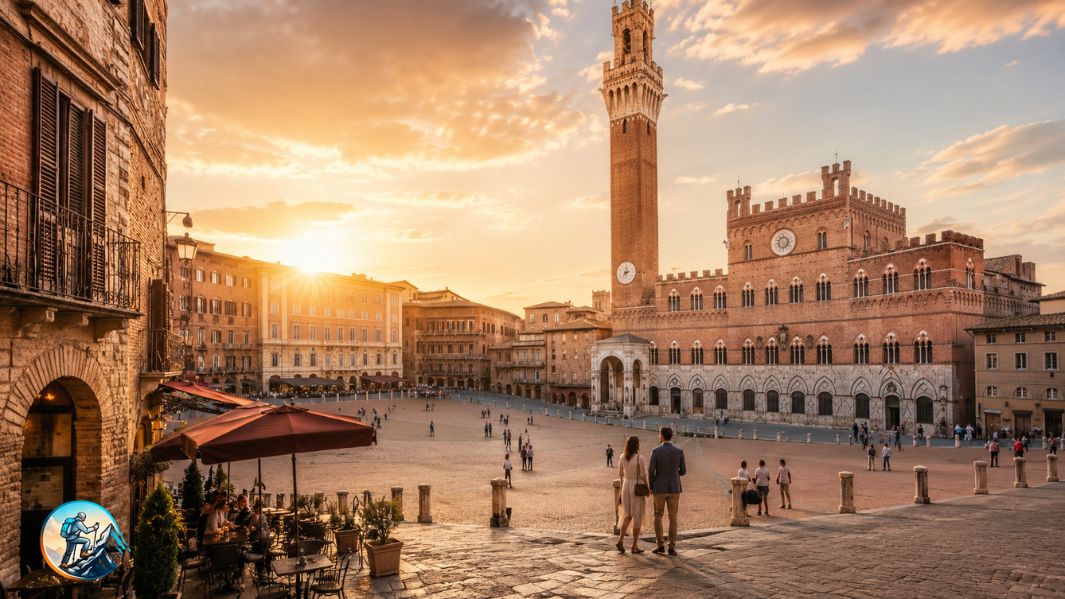
Sienada may look like a hidden destination, but for travel purposes, the safest interpretation is Siena, the hill city in Tuscany, Italy. That makes the keyword a doorway into medieval streets, brick piazzas, Gothic landmarks, neighborhood traditions, and Tuscan food culture. Siena’s historic center is protected by UNESCO, which describes the city as an exceptional example of medieval planning, with buildings and streets forming a unified whole. Siena feels intimate enough to explore on foot, yet rich enough to reward an unhurried stay.
Why Sienada Leads Travelers to Siena
The best way to understand Sienada is not as a separate Italian city, but as a search variation associated with Siena. Once that connection is clear, planning becomes easier. Siena lies in Tuscany, surrounded by rolling countryside, vineyards, olive groves, and historic towns. Its center is made for walking. Streets rise, dip, and curve between warm brick façades, opening onto small squares or views. Comfortable shoes matter because the city is hilly, and a light day bag is more practical than hauling luggage through old lanes. Give Siena one full day, though two nights create a calmer experience.
Sienada and the Historic Heart of the City
Start at Piazza del Campo, Siena’s shell-shaped central square and the natural orientation point for first-time visitors. The Palazzo Pubblico and Torre del Mangia dominate the scene, while cafés and side streets make the square feel like Siena’s living room. Visit Tuscany notes that the piazza is divided into nine sections recalling the Nine Lords who governed Siena at the end of the thirteenth century. Sit for a while rather than simply taking photographs; the changing light on the brickwork is part of the experience.
From the Campo, walk toward Siena Cathedral, where striped marble, sculptural detail, and an elaborate interior show another side of the city. The pleasure is also in the route. Small lanes reveal artisan shops, stone arches, neighborhood flags, bakeries, and viewpoints. Siena rewards travelers who wander without turning every minute into a checklist.
The Culture Behind Siena’s Famous Palio
Siena becomes especially intense around the Palio di Siena, the historic horse race staged in Piazza del Campo on July 2 and August 16. The event is tied to the city’s contrade, or traditional districts, and local identity extends beyond race day. Official Tuscan tourism information explains that ten of Siena’s seventeen contrade participate in each race, with community life continuing throughout the year. Visitors should remember that the Palio is not merely a tourist show; it carries serious meaning for residents.
If crowds, heat, and packed accommodation sound exhausting, visit outside the Palio dates. You can still notice contrada symbols and neighborhood character without the logistical pressure. A useful travel thought is, “Travel slowly enough to notice what a city is trying to tell you.” Siena rewards that attitude.
What to Eat During a Sienada-Inspired Trip
Food is an easy way to slow down. Look for pici pasta, rustic soups, local cured meats, and Sienese sweets such as ricciarelli and cantucci. Terre di Siena highlights pici, Chianina beef, Pan co’ Santi, ricciarelli, and other traditional specialties rooted in the surrounding countryside. Instead of choosing only restaurants facing major sights, walk a few streets away and compare menus where locals linger over lunch.
A relaxed meal also solves a common travel problem: sightseeing fatigue. Siena’s slopes can make a short route feel longer, so build pauses into the day. Carry water in warm weather, avoid overpacking the schedule, and reserve important museum or cathedral visits ahead during busy periods.
Best Time and Practical Planning Tips
Spring and early autumn suit travelers who want comfortable walking conditions and fewer peak-summer pressures. Summer brings long days and cultural energy, but also heat and heavier visitor numbers. If arriving from elsewhere in Tuscany, compare bus and rail options based on your accommodation, as the historic core is pedestrian-oriented and your final approach may involve uphill walking.
For a simple itinerary, spend the morning around the cathedral, continue through the old streets to Piazza del Campo, stop for lunch, then explore a contrada area before enjoying the city near sunset. Travelers with an extra day can use Siena as a base for the wider Tuscan countryside.
Final Thoughts
Sienada is most useful when it points travelers toward the real destination behind the search: Siena. Come for the famous square and cathedral, but stay attentive to smaller details—bells over rooftops, shaded lanes, neighborhood emblems, and the rhythm of an evening meal. Siena is not a city that needs to be conquered by an itinerary. It is better experienced slowly, one street, one view, and one memorable pause at a time for curious travelers. That slower rhythm is where Siena becomes truly memorable.
You May Read Also: Beyond the Usual Turkey Trail: Chiliden Travel Guide to the Beauty of Çıldır

Emma Poppy Deyes: The Inspiring Story of Poppy Deyes, Her Career, Family, and Lifestyle Brand

Laura Sherriff: The Inspiring Story of Craig Phillips’ Wife, TV Presenter and DIY Entrepreneur

Classroom 15x: The Ultimate Guide to Free Online Games, Features, Benefits, and Safe Gaming

Crackstube Explained: A Complete Guide to Its Features, Content, Safety, and Digital Publishing Platform
Nomurano: Discover the Powerful Meaning Behind Modern Creativity, Design, and Intentional Living

Instagram Video Downloader: The Ultimate Guide to Saving Instagram Videos Safely and Easily

Provascin: A Complete Guide to Its Ingredients, Potential Benefits, Uses, and Safety

Tikcotech Explained: Powerful Features, Digital Tools, Benefits, and Everything You Should Know

Cristher: A Complete Guide to Premium Outdoor Lighting, Innovative Design, and Architectural Solutions

HMJones.net Explained: A Complete Guide to Business Loans, Funding Options, and Smarter Financial Decisions
Crackstube Explained: A Complete Guide to Its Features, Content, Safety, and Digital Publishing Platform
Nomurano: Discover the Powerful Meaning Behind Modern Creativity, Design, and Intentional Living

Everest Base Camp Trek vs Manaslu Circuit Trek: Routes, Difficulty, Costs, Altitude and Mountain Experience
Mindset Energy: The Powerful Secret to Better Focus, Confidence, and Personal Growth
HMJones.net Explained: A Complete Guide to Business Loans, Funding Options, and Smarter Financial Decisions

iProwess: Discover the Innovative Audio Brand Combining Smart Sound, Lighting, and Modern Technology
Discover Europe Differently: How European Active Projects Are Reshaping Modern Travel
Provascin: A Complete Guide to Its Ingredients, Potential Benefits, Uses, and Safety

7 Arizona Road Trips Worth Adding to Your Travel Bucket List

Master Information Block: The Essential Guide to Understanding 4G and 5G Network Communication
Emma Poppy Deyes: The Inspiring Story of Poppy Deyes, Her Career, Family, and Lifestyle Brand
Laura Sherriff: The Inspiring Story of Craig Phillips’ Wife, TV Presenter and DIY Entrepreneur
Classroom 15x: The Ultimate Guide to Free Online Games, Features, Benefits, and Safe Gaming
Crackstube Explained: A Complete Guide to Its Features, Content, Safety, and Digital Publishing Platform
Nomurano: Discover the Powerful Meaning Behind Modern Creativity, Design, and Intentional Living
Instagram Video Downloader: The Ultimate Guide to Saving Instagram Videos Safely and Easily
Provascin: A Complete Guide to Its Ingredients, Potential Benefits, Uses, and Safety
Tikcotech Explained: Powerful Features, Digital Tools, Benefits, and Everything You Should Know
Cristher: A Complete Guide to Premium Outdoor Lighting, Innovative Design, and Architectural Solutions
HMJones.net Explained: A Complete Guide to Business Loans, Funding Options, and Smarter Financial Decisions
-
Technology16 hours ago
Crackstube Explained: A Complete Guide to Its Features, Content, Safety, and Digital Publishing Platform
-
 Blog2 months ago
Beyond the Cages: How an Artificial Zoo Could Redefine Wildlife Travel
-
Blog17 hours ago
Nomurano: Discover the Powerful Meaning Behind Modern Creativity, Design, and Intentional Living
-
Blog1 day ago
Mindset Energy: The Powerful Secret to Better Focus, Confidence, and Personal Growth