
Adventure Travel
Beyond the Beaches: Mexico Yucatan Tulum as a Journey Through Maya History and Caribbean Beauty

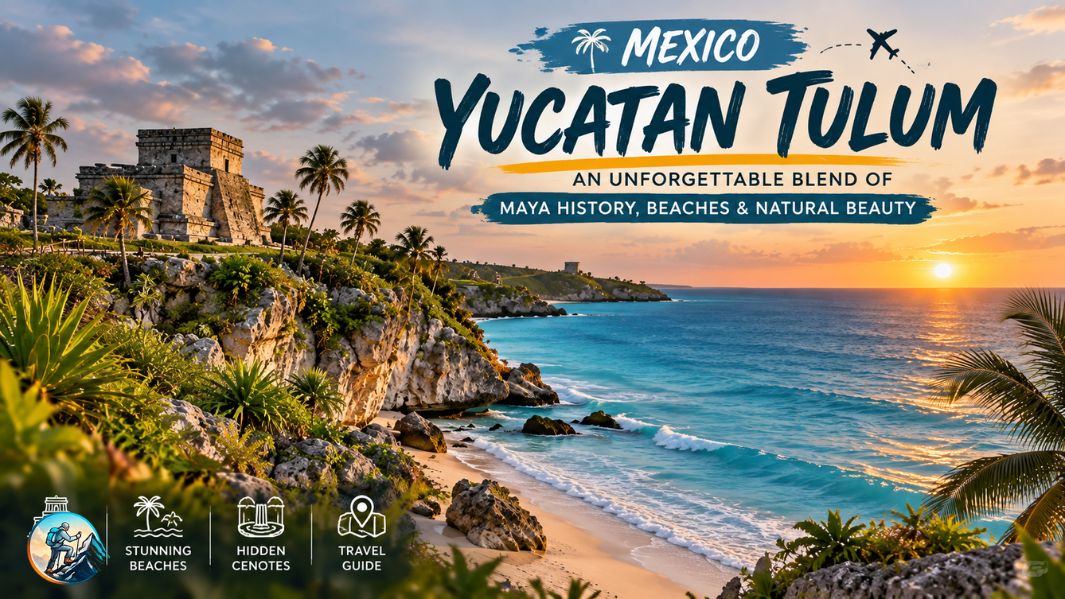
Tulum is one of those places that can look almost unreal in photographs, yet its real appeal becomes clearer once you understand where you are. Although travelers often search for Mexico Yucatan Tulum, Tulum is actually in the state of Quintana Roo, on Mexico’s Yucatán Peninsula. Here, limestone cliffs meet the Caribbean, ancient Maya structures overlook turquoise water, and jungle roads lead toward cenotes, lagoons, and quieter communities.
Why Mexico Yucatan Tulum Feels Different
Tulum’s identity comes from an unusual mix of Maya heritage, Caribbean beaches, tropical forest, and modern tourism. The archaeological zone was once known as Zamá, a Maya word associated with dawn, while the later name Tulum refers to the wall surrounding the settlement. Its coastal position makes the ruins especially memorable: stone buildings rise above the sea rather than deep inland.
The modern destination stretches beyond a single beach strip. Tulum Pueblo, with restaurants, cafés, shops, and everyday local life, creates a more grounded atmosphere; the hotel zone, known for design-led stays and beach access; and the surrounding landscape of cenotes and protected nature. My advice is simple: do not spend the entire trip behind one resort gate. Tulum becomes more rewarding when you move between these different sides of the destination.
Planning a Mexico Yucatan Tulum Itinerary
For a first visit, three or four days gives you enough time to experience the essentials without turning the trip into a race. Begin with the Tulum Archaeological Zone early in the morning, when temperatures are usually more comfortable. The site currently opens daily from 8:00 a.m. to 5:00 p.m., with last entry at 3:30 p.m., so an early start also gives you breathing room.
Pair the ruins with Jaguar Park, which surrounds the archaeological area with forest, trails, viewpoints, museum experiences, and access toward the coast. On another day, choose a cenote rather than trying to visit several. Swimming in cool freshwater beneath limestone openings can be one of the Riviera Maya’s most distinctive experiences, but treating cenotes like a checklist misses their atmosphere.
Reserve another day for the beach. Caribbean Sea conditions can change, and seasonal seaweed may affect parts of the coast, so ask locally about conditions before committing to one stretch. A slower morning, a long lunch, and a sunset walk often feel more memorable than packing five attractions into a single day.
Make room for regional food too. Look beyond international menus for Yucatecan cuisine, fresh seafood, corn-based dishes, citrus, achiote, and preparations shaped by Maya and Mexican traditions. Eating locally is an easy way to add cultural depth to an otherwise beach-focused itinerary.
How to Get Around Tulum Without Stress
Tulum is easier to reach than it once was. The destination now has the Tulum International Airport, and it is also connected to the wider region through the Tren Maya. Travelers can still arrive through Cancún and continue south, but the best option depends on flight price, arrival time, luggage, and where you are staying.
Inside Tulum, distances can be deceptive. The town center, archaeological zone, beach road, and nearby cenotes are not all comfortably walkable from one another. Taxis are widely used, while bicycles can work well for shorter journeys in suitable weather. If renting a car or scooter, confirm insurance terms, parking arrangements, and your route before leaving.
Best Time to Experience Tulum
Weather, crowds, and prices all shape the trip. The drier months are popular because beach days are more predictable, while hotter and wetter periods can feel more humid. Instead of chasing a supposedly perfect month, decide what matters most: sunshine, lower prices, fewer crowds, or easier sightseeing.
Pack breathable clothing, sun protection, comfortable walking shoes, and water. For cenotes and ecological areas, follow local rules on sunscreen, swimming, wildlife, and waste. Responsible travel matters here because Tulum’s beauty depends on fragile coastal, jungle, and freshwater ecosystems.
What Makes the Trip Worth Remembering
The best version of a Tulum trip isn’t just luxury hotels or social-media scenery. It is the contrast between an ancient walled city and a modern beach town, between warm Caribbean water and cool cenotes, and between busy visitor zones and quiet forest.
A simple travel thought fits Tulum well: “Leave enough space in the day for the place to surprise you.” Wake early for the ruins, slow down at lunch, swim without watching the clock, and notice the landscape rather than only photographing it.
Tulum rewards travelers who arrive curious rather than hurried. Use Mexico Yucatan Tulum as the starting point for planning, but let the wider Yucatán Peninsula story guide the journey. The destination is most memorable when history, nature, food, and unplanned moments receive equal time.
You May Read Also: Plan Smarter Adventures with puzutask com: A Practical Travel Research Guide.

Emma Poppy Deyes: The Inspiring Story of Poppy Deyes, Her Career, Family, and Lifestyle Brand

Laura Sherriff: The Inspiring Story of Craig Phillips’ Wife, TV Presenter and DIY Entrepreneur

Classroom 15x: The Ultimate Guide to Free Online Games, Features, Benefits, and Safe Gaming

Crackstube Explained: A Complete Guide to Its Features, Content, Safety, and Digital Publishing Platform

Nomurano: Discover the Powerful Meaning Behind Modern Creativity, Design, and Intentional Living

Instagram Video Downloader: The Ultimate Guide to Saving Instagram Videos Safely and Easily

Provascin: A Complete Guide to Its Ingredients, Potential Benefits, Uses, and Safety

Tikcotech Explained: Powerful Features, Digital Tools, Benefits, and Everything You Should Know

Cristher: A Complete Guide to Premium Outdoor Lighting, Innovative Design, and Architectural Solutions

HMJones.net Explained: A Complete Guide to Business Loans, Funding Options, and Smarter Financial Decisions
Crackstube Explained: A Complete Guide to Its Features, Content, Safety, and Digital Publishing Platform
Nomurano: Discover the Powerful Meaning Behind Modern Creativity, Design, and Intentional Living

Everest Base Camp Trek vs Manaslu Circuit Trek: Routes, Difficulty, Costs, Altitude and Mountain Experience

Mindset Energy: The Powerful Secret to Better Focus, Confidence, and Personal Growth
HMJones.net Explained: A Complete Guide to Business Loans, Funding Options, and Smarter Financial Decisions

iProwess: Discover the Innovative Audio Brand Combining Smart Sound, Lighting, and Modern Technology

Discover Europe Differently: How European Active Projects Are Reshaping Modern Travel
Provascin: A Complete Guide to Its Ingredients, Potential Benefits, Uses, and Safety

7 Arizona Road Trips Worth Adding to Your Travel Bucket List

Master Information Block: The Essential Guide to Understanding 4G and 5G Network Communication
Emma Poppy Deyes: The Inspiring Story of Poppy Deyes, Her Career, Family, and Lifestyle Brand
Laura Sherriff: The Inspiring Story of Craig Phillips’ Wife, TV Presenter and DIY Entrepreneur
Classroom 15x: The Ultimate Guide to Free Online Games, Features, Benefits, and Safe Gaming
Crackstube Explained: A Complete Guide to Its Features, Content, Safety, and Digital Publishing Platform
Nomurano: Discover the Powerful Meaning Behind Modern Creativity, Design, and Intentional Living
Instagram Video Downloader: The Ultimate Guide to Saving Instagram Videos Safely and Easily
Provascin: A Complete Guide to Its Ingredients, Potential Benefits, Uses, and Safety
Tikcotech Explained: Powerful Features, Digital Tools, Benefits, and Everything You Should Know
Cristher: A Complete Guide to Premium Outdoor Lighting, Innovative Design, and Architectural Solutions
HMJones.net Explained: A Complete Guide to Business Loans, Funding Options, and Smarter Financial Decisions
-
Technology16 hours ago
Crackstube Explained: A Complete Guide to Its Features, Content, Safety, and Digital Publishing Platform
-
 Blog2 months ago
Beyond the Cages: How an Artificial Zoo Could Redefine Wildlife Travel
-
Blog17 hours ago
Nomurano: Discover the Powerful Meaning Behind Modern Creativity, Design, and Intentional Living
-
Blog1 day ago
Mindset Energy: The Powerful Secret to Better Focus, Confidence, and Personal Growth