
Adventure Travel
Taste North Africa Through Kouskousi: A Food Journey Worth Planning

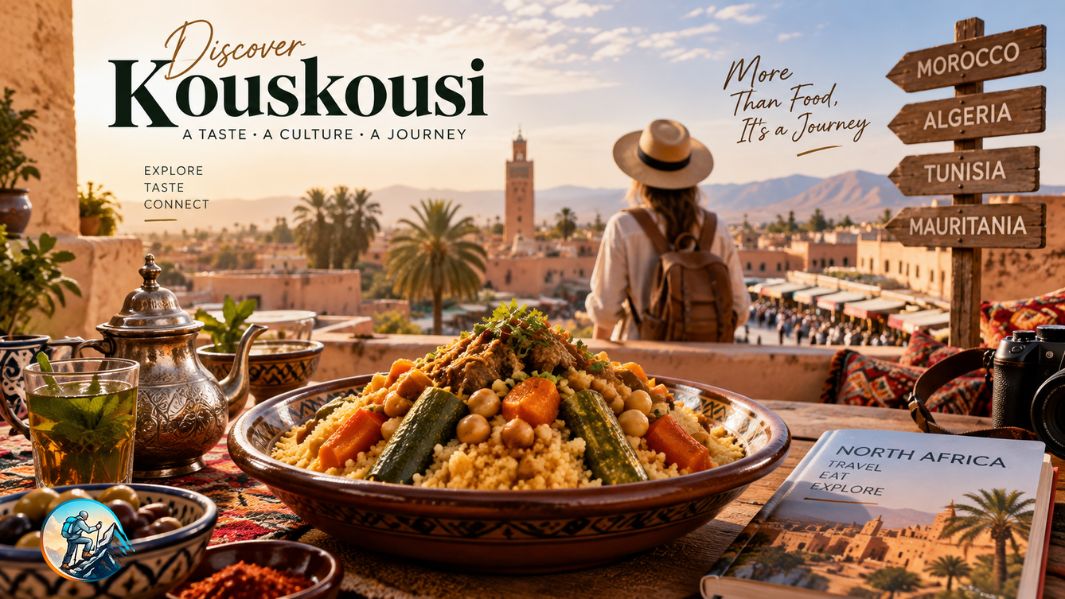
For many travelers, the strongest memory of a trip is not a monument but a meal. Kouskousi is a doorway into that kind of travel. Online, the spelling appears as a variant or regional rendering of couscous, the semolina-based staple of North Africa. Rather than treating it as a separate destination or new grain, travelers can understand Kouskousi as part of the broader couscous tradition: small grains of durum-wheat semolina prepared to accompany vegetables, chickpeas, meat, fish, sauces, and aromatic spices.
That tradition has cultural weight. In 2020, UNESCO inscribed the knowledge, know-how, and practices surrounding couscous on its Representative List of the Intangible Cultural Heritage of Humanity through a joint nomination by Algeria, Mauritania, Morocco, and Tunisia. UNESCO describes its preparation and consumption as closely connected with sharing, hospitality, solidarity, and togetherness. For a food-minded traveler, that makes Kouskousi more than lunch; it becomes a way to understand how families and communities gather.
Why Kouskousi Belongs on a Culinary Travel Itinerary
The pleasure of seeking out Kouskousi is that no single bowl tells the whole story. Across the Maghreb, cooks adapt couscous to local produce, seasonings, family preferences, and special occasions. One version may arrive with slow-cooked lamb and vegetables, another with chickpeas and a deeply seasoned broth, while coastal areas may introduce seafood. The grains themselves are traditionally made from semolina that is moistened, rolled, and steamed, a process UNESCO highlights as part of the living knowledge passed between generations.
If you enjoy culinary tourism, this regional variation gives you a reason to compare markets, family-run restaurants, guesthouses, and home-style kitchens rather than chasing a single “authentic” recipe. My travel rule with traditional food is simple: ask what the kitchen is proud of, then order that. The most memorable plate is often the one shaped by the place you are actually visiting.
Where Can Travelers Experience Kouskousi?
For the clearest cultural context, look toward Morocco, Algeria, Tunisia, and Mauritania, the four countries behind the UNESCO nomination. Large cities can make the dish easy to find, but smaller towns and traditional restaurants may offer a more intimate sense of how it fits into everyday life. Food markets are valuable because they reveal the ingredients behind the finished plate: semolina, chickpeas, seasonal vegetables, dried spices, preserved ingredients, and fresh herbs.
Do not assume every menu will use the exact word “Kouskousi.” Spellings and transliterations vary, while “couscous” is widely recognized internationally. If a server doesn’t understand the term, ask for the local couscous preparation. That small adjustment prevents a common travel problem: searching for one spelling and missing the food itself.
Practical Kouskousi Travel Tips Before You Order
Travelers with dietary requirements should ask a few direct questions before ordering. Couscous is made from durum wheat semolina, so it normally contains gluten. Vegetable toppings do not automatically make the meal vegetarian because the broth may contain meat. Likewise, dishes can include nuts, dairy, or other ingredients depending on the kitchen. A polite conversation with the restaurant is better than judging from appearance.
Portions can be generous, especially when the dish is designed for sharing. If you are trying several foods in one day, consider sharing a plate or asking about portion size first. In busy tourist areas, compare a few menus before sitting down, but do not judge quality only by décor. A modest dining room filled with local families can be far more rewarding than a polished venue built mainly for visitors.
How to Make a Kouskousi Meal Feel More Local
Slow down. Traditional food travel becomes richer when you pay attention to how people eat, not just what arrives on the plate. Notice whether the meal is shared, which condiments are offered, how the vegetables are arranged, and what accompanies the dish. Ask about the house version if conversation is welcome. These details turn a meal into cultural learning without treating local life like a performance.
I like to remember one line when traveling: “Taste the place, not just the plate.” Kouskousi rewards that mindset because its meaning lives in preparation, hospitality, and regional difference as much as in the semolina itself.
Making Kouskousi Part of the Journey
Build your experience around curiosity rather than a checklist. Try the dish in more than one setting, visit a market, learn the local name, and notice how recipes change from one region to another. If time allows, a cooking class or food-focused cultural experience can help you understand steaming, seasoning, and serving traditions more deeply.
Kouskousi may begin as an unfamiliar search term, but for travelers it opens a much larger story about North African food heritage. Follow that story with respect, appetite, and patience, and one humble bowl can become the memory that defines the trip.
You May Read Also: A Clear Guide to the HMRC Savings Tax Letter and What It Means for Your Money

Emma Poppy Deyes: The Inspiring Story of Poppy Deyes, Her Career, Family, and Lifestyle Brand

Laura Sherriff: The Inspiring Story of Craig Phillips’ Wife, TV Presenter and DIY Entrepreneur

Classroom 15x: The Ultimate Guide to Free Online Games, Features, Benefits, and Safe Gaming

Crackstube Explained: A Complete Guide to Its Features, Content, Safety, and Digital Publishing Platform

Nomurano: Discover the Powerful Meaning Behind Modern Creativity, Design, and Intentional Living

Instagram Video Downloader: The Ultimate Guide to Saving Instagram Videos Safely and Easily

Provascin: A Complete Guide to Its Ingredients, Potential Benefits, Uses, and Safety

Tikcotech Explained: Powerful Features, Digital Tools, Benefits, and Everything You Should Know

Cristher: A Complete Guide to Premium Outdoor Lighting, Innovative Design, and Architectural Solutions

HMJones.net Explained: A Complete Guide to Business Loans, Funding Options, and Smarter Financial Decisions
Crackstube Explained: A Complete Guide to Its Features, Content, Safety, and Digital Publishing Platform
Nomurano: Discover the Powerful Meaning Behind Modern Creativity, Design, and Intentional Living

Mindset Energy: The Powerful Secret to Better Focus, Confidence, and Personal Growth

Everest Base Camp Trek vs Manaslu Circuit Trek: Routes, Difficulty, Costs, Altitude and Mountain Experience

iProwess: Discover the Innovative Audio Brand Combining Smart Sound, Lighting, and Modern Technology
HMJones.net Explained: A Complete Guide to Business Loans, Funding Options, and Smarter Financial Decisions

Discover Europe Differently: How European Active Projects Are Reshaping Modern Travel
Instagram Video Downloader: The Ultimate Guide to Saving Instagram Videos Safely and Easily

Plan Better Family Adventures With Thomsonkids.com: Ideas for Easier, Happier Travel

Planning America Smarter: How tozymagazine.com USA Can Inspire Better Trips
Emma Poppy Deyes: The Inspiring Story of Poppy Deyes, Her Career, Family, and Lifestyle Brand
Laura Sherriff: The Inspiring Story of Craig Phillips’ Wife, TV Presenter and DIY Entrepreneur
Classroom 15x: The Ultimate Guide to Free Online Games, Features, Benefits, and Safe Gaming
Crackstube Explained: A Complete Guide to Its Features, Content, Safety, and Digital Publishing Platform
Nomurano: Discover the Powerful Meaning Behind Modern Creativity, Design, and Intentional Living
Instagram Video Downloader: The Ultimate Guide to Saving Instagram Videos Safely and Easily
Provascin: A Complete Guide to Its Ingredients, Potential Benefits, Uses, and Safety
Tikcotech Explained: Powerful Features, Digital Tools, Benefits, and Everything You Should Know
Cristher: A Complete Guide to Premium Outdoor Lighting, Innovative Design, and Architectural Solutions
HMJones.net Explained: A Complete Guide to Business Loans, Funding Options, and Smarter Financial Decisions
-
Technology17 hours ago
Crackstube Explained: A Complete Guide to Its Features, Content, Safety, and Digital Publishing Platform
-
 Blog2 months ago
Beyond the Cages: How an Artificial Zoo Could Redefine Wildlife Travel
-
Blog18 hours ago
Nomurano: Discover the Powerful Meaning Behind Modern Creativity, Design, and Intentional Living
-
Blog1 day ago
Mindset Energy: The Powerful Secret to Better Focus, Confidence, and Personal Growth