
Budget Travel
Travel Smarter With Ipa Isopropyl: A Practical Guide for Clean, Careful Journeys

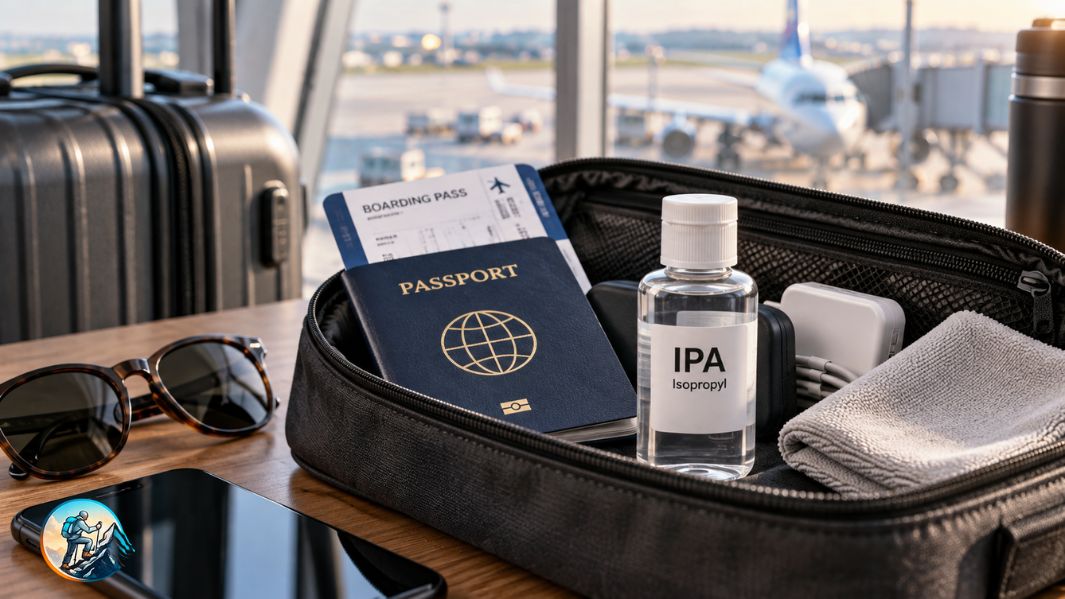
Travel often looks glamorous in photographs, but the reality includes sticky tray tables, dusty phone screens, small spills, shared surfaces, and moments when a simple cleaning product becomes surprisingly useful. That is where Ipa Isopropyl, commonly known as isopropyl alcohol or rubbing alcohol, enters the travel conversation. Used carefully, it can be a compact addition to a travel hygiene kit, especially for cleaning certain hard surfaces and small personal items. The important point is not simply carrying it, but understanding how to pack it, where to use it, and when another product is the safer choice.
Why Ipa Isopropyl Can Be Useful While Traveling
For travelers who like to keep everyday items clean, Ipa Isopropyl can serve several practical purposes. A small amount may help remove residue from hard, nonporous surfaces, clean some electronic accessories when the manufacturer permits it, or refresh tools that are suitable for alcohol-based cleaning. Its fast evaporation is one reason many people find it convenient. However, it is also flammable, which means it should never be treated like ordinary water or a harmless multipurpose liquid.
I have found that the best travel kits are not the biggest ones. They are the ones that solve small problems without creating new ones. A compact bottle, clearly labeled and securely closed, is far more sensible than carrying more liquid than you realistically need.
How to Pack Ipa Isopropyl for Air Travel
When flying, the first concern is liquid restrictions and airline safety rules. In U.S. air travel, liquids in carry-on baggage are generally limited to containers of 100 milliliters or 3.4 ounces at security screening. Rubbing alcohol may qualify as a medicinal or toiletry article, but quantity limits and airline policies still matter. International rules can differ, so travelers should always check the requirements of the departure airport, destination, and airline before packing.
Use the original container when possible, or a sturdy travel container with a secure cap and an accurate label. Place it inside a sealed plastic pouch to reduce the risk of leakage. Never transfer it into a drink bottle or an unmarked cosmetic container, because unclear packaging can create confusion during screening and can be dangerous if someone mistakes the liquid for something else.
Smart Ways to Use Ipa Isopropyl on the Road
The most sensible use is selective cleaning, not spraying it everywhere. High-touch surfaces such as some plastic accessories, metal tools, or compatible travel equipment may be suitable, but always consider the material first. Alcohol can damage certain finishes, coated screens, plastics, leather, painted surfaces, and delicate fabrics.
For phones, tablets, cameras, or other electronics, check the manufacturer’s cleaning instructions. Do not pour liquid directly onto a device. If alcohol-based cleaning is approved, use a small amount on an appropriate cloth and keep moisture away from ports and openings.
Ipa Isopropyl Safety in Hotels, Cars, and Campsites
Good ventilation matters. Avoid using isopropyl alcohol near open flames, cigarettes, heaters, stoves, campfires, or sparks. This becomes especially important in small hotel bathrooms, rental cars, tents, and camper vans where fumes can build up more quickly than expected.
Keep the bottle away from children and never use it as a beverage, fuel substitute, skin treatment, or general medical remedy. Do not mix it casually with other cleaning chemicals. If you are unsure whether a surface or product is compatible, choose soap and water or a manufacturer-approved cleaner instead.
Building a Better Travel Hygiene Kit
A thoughtful kit does not rely on one product. Pack hand soap, sanitizing wipes, tissues, a microfiber cloth, small waste bags, and basic first-aid supplies alongside any isopropyl alcohol. That combination gives you more flexibility because different travel situations require different tools.
Wipes are often easier for quick public-space cleaning, while soap and water remain useful when proper washing is available. A microfiber cloth can handle dust without chemicals, and individually packed items are useful when you want to avoid leaks.
As the travel saying goes, “Pack light, but pack with purpose.” That idea fits perfectly here. Good preparation is not about carrying every possible solution. It is about knowing what you have, why you packed it, and how to use it responsibly.
Final Thoughts
Ipa Isopropyl can be a useful part of a carefully planned travel kit, but convenience should always come with common sense. Pack only a small amount, label it clearly, respect airline and airport rules, keep it away from heat and flames, and use it only on compatible surfaces. Travelers who combine smart hygiene habits with sensible packing can move through airports, hotels, road trips, and outdoor stops with greater confidence. The goal is simple: travel clean, travel light, and make safety part of the journey rather than an afterthought wherever you go.
You May Read Also: Beyond the Crowds: aurö and the Art of Traveling More Slowly

Emma Poppy Deyes: The Inspiring Story of Poppy Deyes, Her Career, Family, and Lifestyle Brand

Laura Sherriff: The Inspiring Story of Craig Phillips’ Wife, TV Presenter and DIY Entrepreneur

Classroom 15x: The Ultimate Guide to Free Online Games, Features, Benefits, and Safe Gaming

Crackstube Explained: A Complete Guide to Its Features, Content, Safety, and Digital Publishing Platform

Nomurano: Discover the Powerful Meaning Behind Modern Creativity, Design, and Intentional Living

Instagram Video Downloader: The Ultimate Guide to Saving Instagram Videos Safely and Easily
Provascin: A Complete Guide to Its Ingredients, Potential Benefits, Uses, and Safety

Tikcotech Explained: Powerful Features, Digital Tools, Benefits, and Everything You Should Know

Cristher: A Complete Guide to Premium Outdoor Lighting, Innovative Design, and Architectural Solutions

HMJones.net Explained: A Complete Guide to Business Loans, Funding Options, and Smarter Financial Decisions
Crackstube Explained: A Complete Guide to Its Features, Content, Safety, and Digital Publishing Platform
Nomurano: Discover the Powerful Meaning Behind Modern Creativity, Design, and Intentional Living

Everest Base Camp Trek vs Manaslu Circuit Trek: Routes, Difficulty, Costs, Altitude and Mountain Experience

Mindset Energy: The Powerful Secret to Better Focus, Confidence, and Personal Growth
Instagram Video Downloader: The Ultimate Guide to Saving Instagram Videos Safely and Easily
iProwess: Discover the Innovative Audio Brand Combining Smart Sound, Lighting, and Modern Technology
HMJones.net Explained: A Complete Guide to Business Loans, Funding Options, and Smarter Financial Decisions

Discover Europe Differently: How European Active Projects Are Reshaping Modern Travel
Provascin: A Complete Guide to Its Ingredients, Potential Benefits, Uses, and Safety

7 Arizona Road Trips Worth Adding to Your Travel Bucket List
Emma Poppy Deyes: The Inspiring Story of Poppy Deyes, Her Career, Family, and Lifestyle Brand
Laura Sherriff: The Inspiring Story of Craig Phillips’ Wife, TV Presenter and DIY Entrepreneur
Classroom 15x: The Ultimate Guide to Free Online Games, Features, Benefits, and Safe Gaming
Crackstube Explained: A Complete Guide to Its Features, Content, Safety, and Digital Publishing Platform
Nomurano: Discover the Powerful Meaning Behind Modern Creativity, Design, and Intentional Living
Instagram Video Downloader: The Ultimate Guide to Saving Instagram Videos Safely and Easily
Provascin: A Complete Guide to Its Ingredients, Potential Benefits, Uses, and Safety
Tikcotech Explained: Powerful Features, Digital Tools, Benefits, and Everything You Should Know
Cristher: A Complete Guide to Premium Outdoor Lighting, Innovative Design, and Architectural Solutions
HMJones.net Explained: A Complete Guide to Business Loans, Funding Options, and Smarter Financial Decisions
-
Technology19 hours ago
Crackstube Explained: A Complete Guide to Its Features, Content, Safety, and Digital Publishing Platform
-
 Blog2 months ago
Beyond the Cages: How an Artificial Zoo Could Redefine Wildlife Travel
-
Blog20 hours ago
Nomurano: Discover the Powerful Meaning Behind Modern Creativity, Design, and Intentional Living
-
Blog1 day ago
Mindset Energy: The Powerful Secret to Better Focus, Confidence, and Personal Growth