
Adventure Travel
Beyond the Landmarks: Exploring Gessolini Through Italy’s Artistic Streets

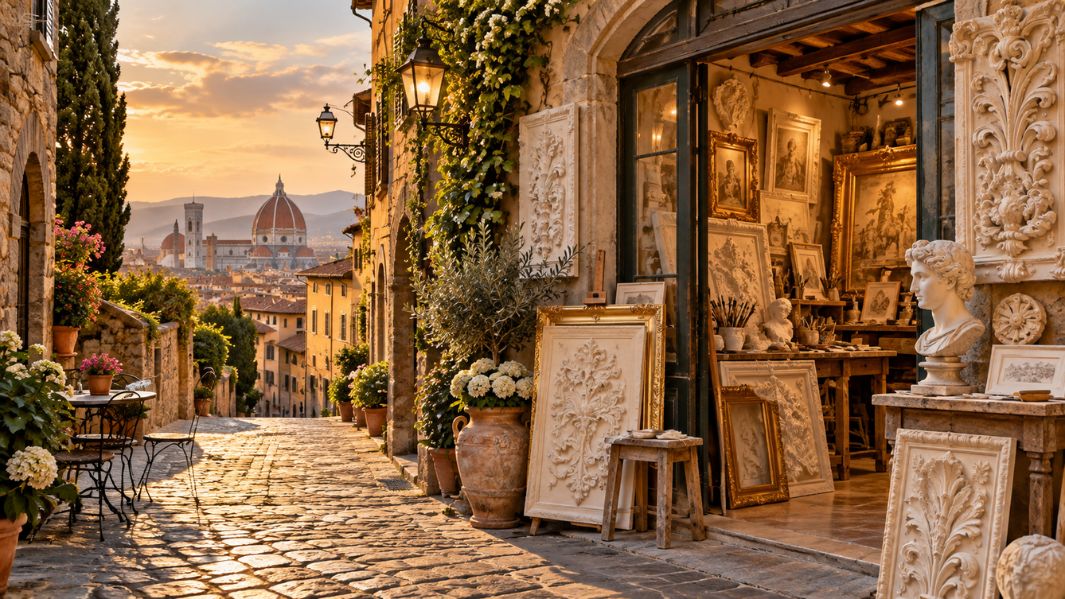
Travel becomes more memorable when you stop looking only at famous monuments and begin noticing the materials, textures, and craftsmanship around them. One useful way to approach Gessolini is as a travel theme. The word appears online in several creative contexts, and it is not the name of an established Italian destination. It is often associated with the Italian word gesso, meaning gypsum or plaster, a material traditionally used to prepare surfaces for painting, gilding, sculpture, and decorative work. For travelers, Gessolini can therefore become a lens for exploring Italy’s artistic heritage through carved details, restored interiors, and museum collections.
What Gessolini Means for Travelers
Anyone searching for Gessolini as a place may be confused because there is no widely recognized town, region, or attraction by that name. A better travel interpretation connects the term to Italian craftsmanship, especially gesso, plaster, painted panels, gilded frames, and ornamental interiors. Museums explain that traditional gesso created a smooth white ground on wooden panels before painting or gilding. Once you understand that process, details that once looked decorative become part of a larger story about materials, patience, and skilled hands.
This suits travelers who enjoy art history, architecture, restoration, museums, and slow cultural experiences. Instead of racing between landmarks, spend time examining frames, wall surfaces, relief work, chapel decoration, and workshop displays.
Where to Experience Gessolini-Inspired Craft in Italy
Italy offers many opportunities to see the artistic traditions that give Gessolini’s ideas meaning. Florence is an obvious starting point because its museums, churches, palaces, and artisan neighborhoods reveal how closely painting, gilding, sculpture, woodwork, and surface preparation developed together. Look beyond the central image in a Renaissance painting and study the frame, background, panel, and raised decorative elements.
Bologna also rewards detail-oriented travelers. Its historic streets encourage walking, while churches and galleries offer chances to observe plasterwork and decorative craftsmanship slowly. Venice provides a different atmosphere, where painted surfaces, gilded decoration, carved frames, and layered interiors make material history feel inseparable from the city itself.
Gessolini and the Art of Looking Closely
The real pleasure of a Gessolini-themed journey is learning to notice what other visitors pass quickly. Stand a little longer in front of a painted panel. Look at the smooth preparation beneath the paint, the gilded details around a religious image, or the subtle relief around a frame. Traditional gesso was not merely decoration; it formed a practical foundation for painting and gilding, and understanding that changes the way you see historic artworks.
My favorite rule for this kind of travel is simple: photograph less and observe more. “The best journeys teach you to notice what haste usually hides.” That mindset turns even a short museum visit into a richer experience.
How to Plan a Gessolini-Focused Cultural Trip
Begin with one major art city and avoid overloading your schedule. Two or three carefully chosen museums, churches, or artisan districts in a day are usually enough. Build walking time between stops so the journey feels connected rather than rushed. If a museum has rooms dedicated to conservation, techniques, panel painting, sculpture, or decorative arts, prioritize those sections.
Carry comfortable shoes, a lightweight notebook, and a list of terms such as gesso, gilding, panel painting, plaster relief, and restoration. These keywords make museum labels easier to understand and help you recognize related techniques. Photography rules vary, so check signs before using a camera. In churches, dress respectfully, speak quietly, and remember that many historic buildings remain active places of worship.
Practical Tips for Exploring Gessolini Without Confusion
Do not book transport or accommodation based solely on the word Gessolini, because it should not be treated as a confirmed geographic destination. Instead, use it as a theme for researching Italian decorative arts. Choose cities with strong museum collections and historic architecture, then search locally for artisan workshops, restoration exhibitions, or guided art-history walks.
Spring and autumn are often comfortable seasons for city walking, though conditions vary by region. Reserve major museums ahead when possible, during busy periods. Most importantly, leave room for unexpected discoveries. A quiet chapel, an old frame shop, or a small museum room may become more memorable than the famous attraction you planned around.
Why Gessolini Can Change the Way You Travel
Gessolini may be an unusual keyword, but that is what makes it interesting. Rather than treating it as a destination, use it as an invitation to explore Italian artistic tradition through materials and craftsmanship. Travel becomes deeper when you understand how objects were made, not only who made them or when. Follow the traces of gesso, plaster, gilding, and restored surfaces, and Italy begins to reveal a quieter story—one built layer by layer by generations of artists and artisans.
You May Read Also: Travel Smarter Across America with Technewsoutlets.com USA as Your Digital Tech Guide

Emma Poppy Deyes: The Inspiring Story of Poppy Deyes, Her Career, Family, and Lifestyle Brand

Laura Sherriff: The Inspiring Story of Craig Phillips’ Wife, TV Presenter and DIY Entrepreneur

Classroom 15x: The Ultimate Guide to Free Online Games, Features, Benefits, and Safe Gaming

Crackstube Explained: A Complete Guide to Its Features, Content, Safety, and Digital Publishing Platform

Nomurano: Discover the Powerful Meaning Behind Modern Creativity, Design, and Intentional Living

Instagram Video Downloader: The Ultimate Guide to Saving Instagram Videos Safely and Easily

Provascin: A Complete Guide to Its Ingredients, Potential Benefits, Uses, and Safety

Tikcotech Explained: Powerful Features, Digital Tools, Benefits, and Everything You Should Know

Cristher: A Complete Guide to Premium Outdoor Lighting, Innovative Design, and Architectural Solutions

HMJones.net Explained: A Complete Guide to Business Loans, Funding Options, and Smarter Financial Decisions
Nomurano: Discover the Powerful Meaning Behind Modern Creativity, Design, and Intentional Living
Crackstube Explained: A Complete Guide to Its Features, Content, Safety, and Digital Publishing Platform

Everest Base Camp Trek vs Manaslu Circuit Trek: Routes, Difficulty, Costs, Altitude and Mountain Experience

Mindset Energy: The Powerful Secret to Better Focus, Confidence, and Personal Growth

iProwess: Discover the Innovative Audio Brand Combining Smart Sound, Lighting, and Modern Technology
HMJones.net Explained: A Complete Guide to Business Loans, Funding Options, and Smarter Financial Decisions
Provascin: A Complete Guide to Its Ingredients, Potential Benefits, Uses, and Safety

Master Information Block: The Essential Guide to Understanding 4G and 5G Network Communication
Instagram Video Downloader: The Ultimate Guide to Saving Instagram Videos Safely and Easily

Plan Better Family Adventures With Thomsonkids.com: Ideas for Easier, Happier Travel
Emma Poppy Deyes: The Inspiring Story of Poppy Deyes, Her Career, Family, and Lifestyle Brand
Laura Sherriff: The Inspiring Story of Craig Phillips’ Wife, TV Presenter and DIY Entrepreneur
Classroom 15x: The Ultimate Guide to Free Online Games, Features, Benefits, and Safe Gaming
Crackstube Explained: A Complete Guide to Its Features, Content, Safety, and Digital Publishing Platform
Nomurano: Discover the Powerful Meaning Behind Modern Creativity, Design, and Intentional Living
Instagram Video Downloader: The Ultimate Guide to Saving Instagram Videos Safely and Easily
Provascin: A Complete Guide to Its Ingredients, Potential Benefits, Uses, and Safety
Tikcotech Explained: Powerful Features, Digital Tools, Benefits, and Everything You Should Know
Cristher: A Complete Guide to Premium Outdoor Lighting, Innovative Design, and Architectural Solutions
HMJones.net Explained: A Complete Guide to Business Loans, Funding Options, and Smarter Financial Decisions
-
 Blog2 months ago
Beyond the Cages: How an Artificial Zoo Could Redefine Wildlife Travel
-
Technology15 hours ago
Crackstube Explained: A Complete Guide to Its Features, Content, Safety, and Digital Publishing Platform
-
Blog15 hours ago
Nomurano: Discover the Powerful Meaning Behind Modern Creativity, Design, and Intentional Living
-
Blog1 day ago
Mindset Energy: The Powerful Secret to Better Focus, Confidence, and Personal Growth