
Luxury Travel
See the Journey Differently: How Automatic Glass Is Changing Modern Travel

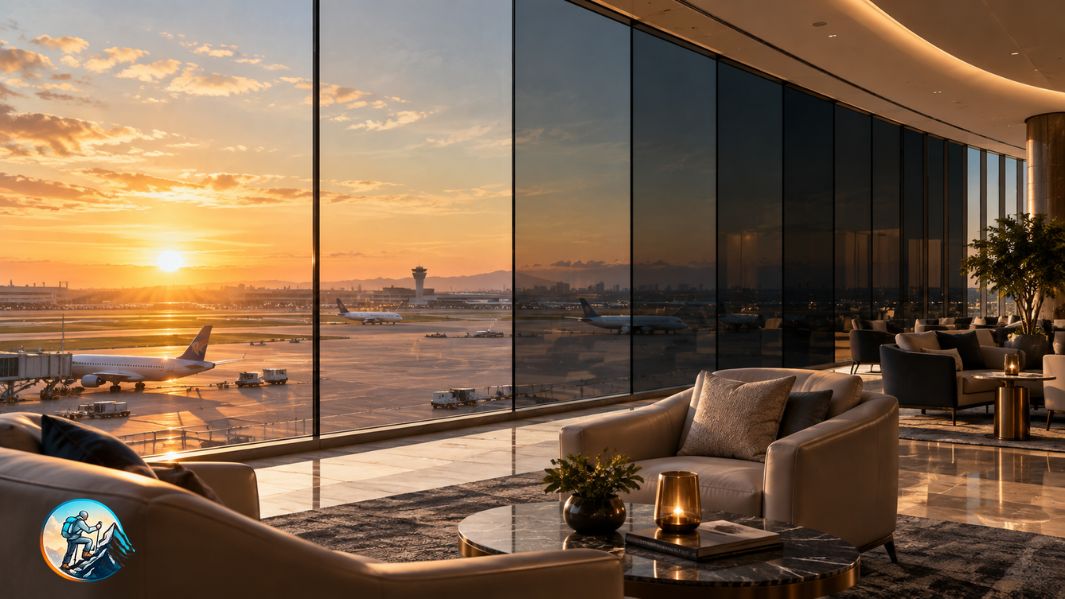
Travel has always been about what lies beyond the window: a sunrise over a runway, mountain scenery from a train, or city lights reflected across a hotel room. Automatic Glass is quietly changing how travelers experience those moments. Instead of relying only on blinds, curtains, or fixed tinted windows, modern smart-glass systems can electronically adjust transparency or shading. For travelers, that can mean better control of glare, privacy, heat, and natural light.
Why Automatic Glass Matters to Travelers
The biggest advantage of Automatic Glass is comfort. Bright sunlight can make an airport lounge uncomfortable, turn a scenic train seat into a hot spot, or force passengers to close a shade during the best part of a route. Smart or switchable Glass can darken while still letting travelers stay visually connected to the outside world.
Privacy is another benefit. In hotels, premium transport cabins, airport lounges, and shared travel spaces, electronically controlled Glass can move between clearer and more private states. That can reduce the need for bulky curtains or fixed dividers in some designs. Travelers should remember that systems vary. Some glass becomes darker while remaining partly transparent, while other technologies can turn opaque. Never assume a glass panel provides complete privacy unless the property or operator clearly says so.
Automatic Glass in Airports, Aircraft, Trains, and Hotels
Airports are natural settings for large glass walls because travelers value daylight and open views. Expansive glazing, however, can also bring glare and solar heat. Dynamic Glass gives designers another way to manage those conditions while preserving views of aircraft, runways, and the horizon.
Aircraft offer another example of adjustable glazing. Electronically dimmable windows let passengers adjust the amount of light entering the cabin without a traditional pull-down shade. The feature can be especially useful on daytime flights, when someone wants to reduce glare for rest or screen viewing while keeping some connection with the sky outside.
How Automatic Glass Can Improve Scenic Train Travel
Train travel may be where Automatic Glass feels most naturally connected to the pleasure of a journey. Scenic routes depend on visibility, yet strong afternoon sun can make passengers avoid window seats. Adjustable tinting can soften brightness while keeping landscapes visible. Smart glazing may also support privacy or help manage interior comfort. Before booking a premium seat, it is worth checking whether the train uses adjustable tinting and whether passengers can control it individually.
Hotels are experimenting with similar ideas. Smart Glass may appear in room windows, bathroom partitions, spa areas, or meeting spaces. From a traveler’s perspective, the appeal is simple: cleaner visual design and quick privacy control. Still, guests who need complete darkness for sleep should ask whether the room includes blackout curtains. Smart tinting and true blackout performance are not the same.
Practical Travel Tips Before You Rely on Smart Glass
Do not choose a hotel, premium cabin, or rail ticket solely because the description mentions smart windows. Look for clear information about what the system actually does. Ask whether it controls glare, privacy, heat, or all three. If you are sensitive to light, confirm whether physical shades are available. If privacy matters, test the Glass from both sides when possible.
Photography deserves attention too. A tinted window can alter color, contrast, and reflections, so photographers should not assume a dramatic view will look identical through smart glazing. If a clean image matters, place the camera close to the Glass, avoid interior reflections, and use the clearest available setting.
The best travel technology rarely demands attention; it simply removes friction. As a travel thought puts it, “The best journeys are the ones that make movement feel effortless.” Automatic Glass fits that idea because its value isn’t the novelty of a changing window, but the ability to make bright, busy travel spaces feel calmer and more personal.
Is Automatic Glass the Future of Travel Comfort?
Automatic Glass will not replace every curtain, blind, or traditional window, and travelers should not expect identical performance everywhere. Yet its role in transportation and hospitality makes sense. Travel spaces need daylight, views, privacy, and temperature control, often at the same time. Smart glazing offers one flexible way to balance those needs.
For travelers, the promise is straightforward: better views without excessive glare, more privacy without heavy barriers, and spaces that adapt more naturally throughout the day. The next time you sit beside a futuristic window in an airport, aircraft, train, or hotel, notice how it changes the experience. Sometimes the most memorable travel upgrade is not a bigger seat or a grander room. It is simply being able to see the world outside more comfortably.
You May Read Also: Travel Smarter With Ipa Isopropyl: A Practical Guide for Clean, Careful Journeys

Emma Poppy Deyes: The Inspiring Story of Poppy Deyes, Her Career, Family, and Lifestyle Brand

Laura Sherriff: The Inspiring Story of Craig Phillips’ Wife, TV Presenter and DIY Entrepreneur

Classroom 15x: The Ultimate Guide to Free Online Games, Features, Benefits, and Safe Gaming
Crackstube Explained: A Complete Guide to Its Features, Content, Safety, and Digital Publishing Platform
Nomurano: Discover the Powerful Meaning Behind Modern Creativity, Design, and Intentional Living
Instagram Video Downloader: The Ultimate Guide to Saving Instagram Videos Safely and Easily

Provascin: A Complete Guide to Its Ingredients, Potential Benefits, Uses, and Safety

Tikcotech Explained: Powerful Features, Digital Tools, Benefits, and Everything You Should Know

Cristher: A Complete Guide to Premium Outdoor Lighting, Innovative Design, and Architectural Solutions

HMJones.net Explained: A Complete Guide to Business Loans, Funding Options, and Smarter Financial Decisions
Crackstube Explained: A Complete Guide to Its Features, Content, Safety, and Digital Publishing Platform
Nomurano: Discover the Powerful Meaning Behind Modern Creativity, Design, and Intentional Living

Everest Base Camp Trek vs Manaslu Circuit Trek: Routes, Difficulty, Costs, Altitude and Mountain Experience

Mindset Energy: The Powerful Secret to Better Focus, Confidence, and Personal Growth
Instagram Video Downloader: The Ultimate Guide to Saving Instagram Videos Safely and Easily
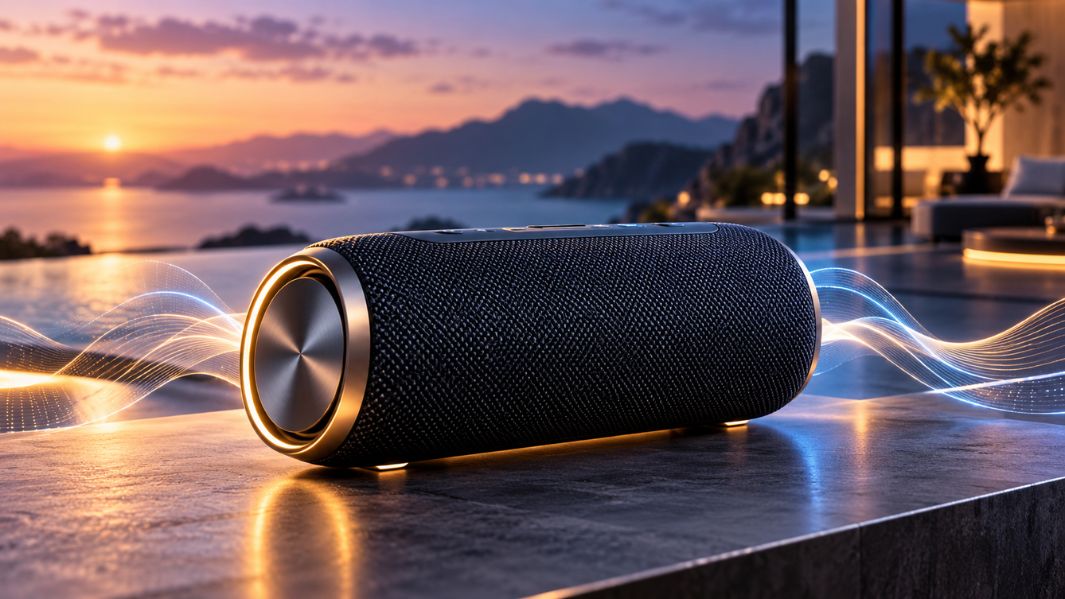
iProwess: Discover the Innovative Audio Brand Combining Smart Sound, Lighting, and Modern Technology
HMJones.net Explained: A Complete Guide to Business Loans, Funding Options, and Smarter Financial Decisions
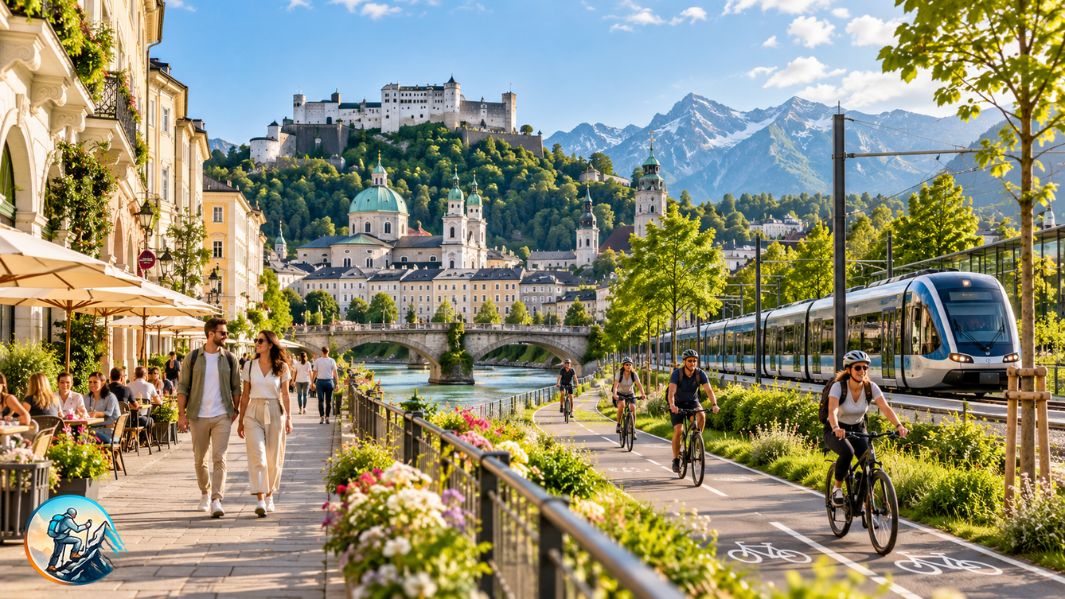
Discover Europe Differently: How European Active Projects Are Reshaping Modern Travel
Provascin: A Complete Guide to Its Ingredients, Potential Benefits, Uses, and Safety

7 Arizona Road Trips Worth Adding to Your Travel Bucket List
Emma Poppy Deyes: The Inspiring Story of Poppy Deyes, Her Career, Family, and Lifestyle Brand
Laura Sherriff: The Inspiring Story of Craig Phillips’ Wife, TV Presenter and DIY Entrepreneur
Classroom 15x: The Ultimate Guide to Free Online Games, Features, Benefits, and Safe Gaming
Crackstube Explained: A Complete Guide to Its Features, Content, Safety, and Digital Publishing Platform
Nomurano: Discover the Powerful Meaning Behind Modern Creativity, Design, and Intentional Living
Instagram Video Downloader: The Ultimate Guide to Saving Instagram Videos Safely and Easily
Provascin: A Complete Guide to Its Ingredients, Potential Benefits, Uses, and Safety
Tikcotech Explained: Powerful Features, Digital Tools, Benefits, and Everything You Should Know
Cristher: A Complete Guide to Premium Outdoor Lighting, Innovative Design, and Architectural Solutions
HMJones.net Explained: A Complete Guide to Business Loans, Funding Options, and Smarter Financial Decisions
-
Technology19 hours ago
Crackstube Explained: A Complete Guide to Its Features, Content, Safety, and Digital Publishing Platform
-
 Blog2 months ago
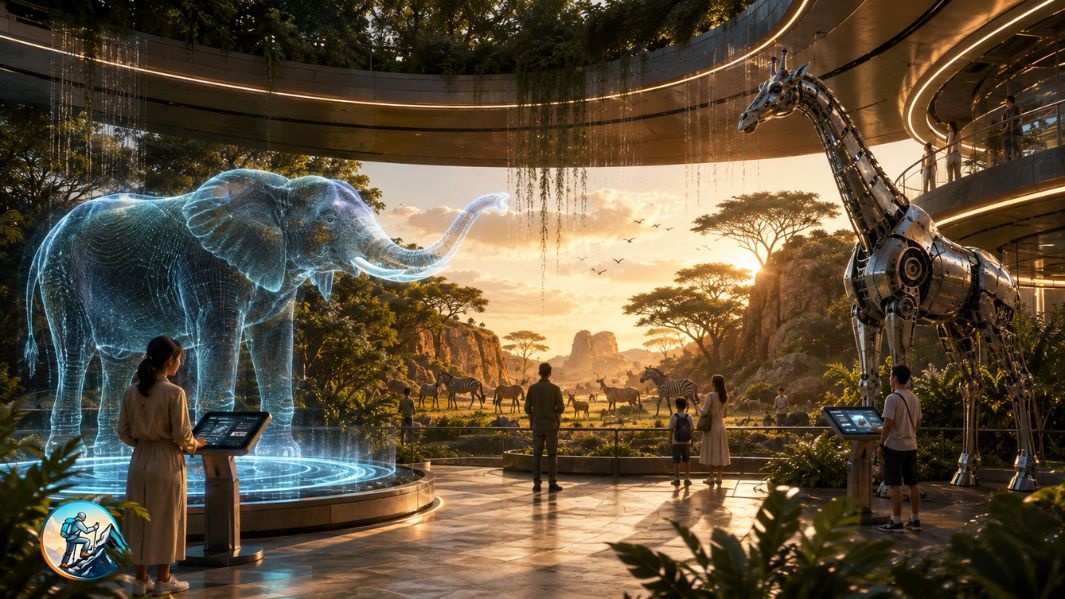
Beyond the Cages: How an Artificial Zoo Could Redefine Wildlife Travel
-
Blog20 hours ago
Nomurano: Discover the Powerful Meaning Behind Modern Creativity, Design, and Intentional Living
-
Adventure Travel1 week ago
Everest Base Camp Trek vs Manaslu Circuit Trek: Routes, Difficulty, Costs, Altitude and Mountain Experience