
Travel Tips
How Automated Branding Is Changing the Way Travel Businesses Inspire Journeys

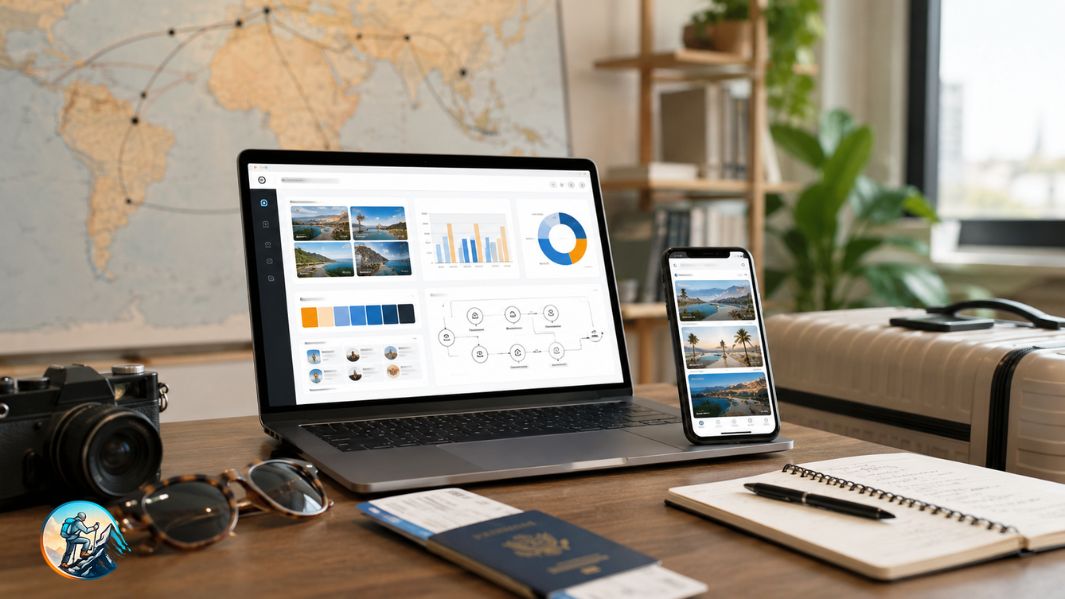
Travel begins long before a suitcase is packed. It starts with a feeling: a hotel’s photographs, a tour company’s language, or a destination guide that understands travelers’ needs. Automated Branding helps travel businesses create consistency across websites, booking emails, social posts, advertisements, and guest communications. Used well, it saves time and strengthens recognition. Used carelessly, it can make a brand feel generic and distant from the places it promotes.
Why Automated Branding Matters in Modern Travel
Travel marketing moves quickly. A small hotel may need to promote an offer, answer booking questions, publish local recommendations, send arrival instructions, and respond to reviews. Brand automation, content templates, and customer journey tools help teams manage those tasks while protecting a consistent voice. Colors, fonts, logos, image styles, phrases, and service standards can be built into repeatable systems, making every touchpoint feel connected.
The biggest advantage is clarity. Travelers often compare several options at once. A recognizable identity makes a business easier to remember and trust. When the same tone appears in an Instagram caption, confirmation email, and welcome message, guests feel they are dealing with one organized company rather than disconnected departments.
Where Automation Improves the Traveler Experience
The best systems solve practical problems before they become stressful. Automated pre-arrival messages can explain check-in times, airport transfers, local transport, weather expectations, dress requirements, and payment policies. Tour companies can send packing lists based on activity type, while hotels recommend cafés, family attractions, or late-night food options based on the guest’s booking profile.
This is where personalized travel communication becomes valuable. A family staying four nights should not receive the same suggestions as a solo business traveler arriving after midnight. Automation can organize information by trip type, season, language, or location, but the advice must remain accurate and useful. Travelers notice when recommendations are vague, outdated, or designed only to increase spending.
Using Automated Branding Without Losing the Human Touch
A travel brand should never sound like a machine describing a destination it has never visited. Templates need local detail, natural language, and human review. Instead of sending “Explore nearby attractions,” a coastal guesthouse might recommend the quietest morning path to the beach, mention where locals buy breakfast, or warn visitors that the last bus leaves earlier on Sundays.
I believe the strongest travel brands use automation for structure, not personality. The system can remember the visual identity and schedule the message, but a real person should shape the story. As the saying goes, “People may forget the itinerary, but they remember how a place made them feel.” That emotional memory cannot be manufactured by repeating polished slogans.
Common Automated Branding Mistakes to Avoid
The first mistake is over-personalization. Using a traveler’s name is helpful, but too many personal details can feel intrusive. The second is publishing the same message across every platform without adapting it. A booking email needs clarity, while a social post needs inspiration. The third is allowing old information to circulate automatically. Incorrect opening hours, seasonal advice, visa guidance, or transfer details immediately damage trust.
Travel businesses should also avoid filling every communication with sales language. Guests do not want constant upgrades and add-ons. A useful message about local customs, accessibility, safety, or transport often creates more loyalty than another discount. Reputation management, guest experience, and destination storytelling work best when service comes before promotion.
A Practical Branding Automation Checklist
Start by defining the brand voice in simple terms. Decide whether it is adventurous, refined, family-friendly, sustainable, playful, or deeply local. Create approved templates for essential messages, then identify which sections must always be checked by a person. Keep destination facts in a single, up-to-date source so teams do not copy conflicting information.
Next, test the experience as a traveler. Read the booking confirmation on a phone, open the arrival guide over a slow internet connection, and check whether the instructions make sense to someone unfamiliar with the destination. Review automated messages each season, especially when transport schedules, prices, events, and weather patterns change. Most importantly, give guests an easy way to reach a human when the automated answer is not enough.
The Future of Travel Branding Feels Personal
Automated systems will continue to influence how travel businesses communicate, but the winners will not be the companies producing the most content. They will be the ones creating the clearest, most helpful, and most memorable experience. Automated Branding should remove repetitive work so people have more time to welcome guests, share local knowledge, solve problems, and tell honest stories.
A beautiful journey deserves more than efficient marketing. It deserves a brand that feels consistent before arrival, supportive during the trip, and unforgettable upon the traveler’s return home. When technology protects that experience rather than replacing it, automation becomes part of the hospitality itself.
You May Read Also: A Sweet Local Search for the Best Arroz con Leche Boliviano Near Me

Emma Poppy Deyes: The Inspiring Story of Poppy Deyes, Her Career, Family, and Lifestyle Brand

Laura Sherriff: The Inspiring Story of Craig Phillips’ Wife, TV Presenter and DIY Entrepreneur

Classroom 15x: The Ultimate Guide to Free Online Games, Features, Benefits, and Safe Gaming
Crackstube Explained: A Complete Guide to Its Features, Content, Safety, and Digital Publishing Platform

Nomurano: Discover the Powerful Meaning Behind Modern Creativity, Design, and Intentional Living
Instagram Video Downloader: The Ultimate Guide to Saving Instagram Videos Safely and Easily

Provascin: A Complete Guide to Its Ingredients, Potential Benefits, Uses, and Safety

Tikcotech Explained: Powerful Features, Digital Tools, Benefits, and Everything You Should Know

Cristher: A Complete Guide to Premium Outdoor Lighting, Innovative Design, and Architectural Solutions

HMJones.net Explained: A Complete Guide to Business Loans, Funding Options, and Smarter Financial Decisions
Nomurano: Discover the Powerful Meaning Behind Modern Creativity, Design, and Intentional Living
Crackstube Explained: A Complete Guide to Its Features, Content, Safety, and Digital Publishing Platform

Everest Base Camp Trek vs Manaslu Circuit Trek: Routes, Difficulty, Costs, Altitude and Mountain Experience

Mindset Energy: The Powerful Secret to Better Focus, Confidence, and Personal Growth
iProwess: Discover the Innovative Audio Brand Combining Smart Sound, Lighting, and Modern Technology
HMJones.net Explained: A Complete Guide to Business Loans, Funding Options, and Smarter Financial Decisions
Provascin: A Complete Guide to Its Ingredients, Potential Benefits, Uses, and Safety

Master Information Block: The Essential Guide to Understanding 4G and 5G Network Communication
Instagram Video Downloader: The Ultimate Guide to Saving Instagram Videos Safely and Easily

Plan Better Family Adventures With Thomsonkids.com: Ideas for Easier, Happier Travel
Emma Poppy Deyes: The Inspiring Story of Poppy Deyes, Her Career, Family, and Lifestyle Brand
Laura Sherriff: The Inspiring Story of Craig Phillips’ Wife, TV Presenter and DIY Entrepreneur
Classroom 15x: The Ultimate Guide to Free Online Games, Features, Benefits, and Safe Gaming
Crackstube Explained: A Complete Guide to Its Features, Content, Safety, and Digital Publishing Platform
Nomurano: Discover the Powerful Meaning Behind Modern Creativity, Design, and Intentional Living
Instagram Video Downloader: The Ultimate Guide to Saving Instagram Videos Safely and Easily
Provascin: A Complete Guide to Its Ingredients, Potential Benefits, Uses, and Safety
Tikcotech Explained: Powerful Features, Digital Tools, Benefits, and Everything You Should Know
Cristher: A Complete Guide to Premium Outdoor Lighting, Innovative Design, and Architectural Solutions
HMJones.net Explained: A Complete Guide to Business Loans, Funding Options, and Smarter Financial Decisions
-
Technology15 hours ago
Crackstube Explained: A Complete Guide to Its Features, Content, Safety, and Digital Publishing Platform
-
Blog15 hours ago
Nomurano: Discover the Powerful Meaning Behind Modern Creativity, Design, and Intentional Living
-
 Blog2 months ago
Beyond the Cages: How an Artificial Zoo Could Redefine Wildlife Travel
-
Blog1 day ago
Mindset Energy: The Powerful Secret to Better Focus, Confidence, and Personal Growth