
Budget Travel
Travel Smarter with tr-ex.me: A Practical Language Companion for More Confident Trips

Why tr-ex.me Matters for International Travelers
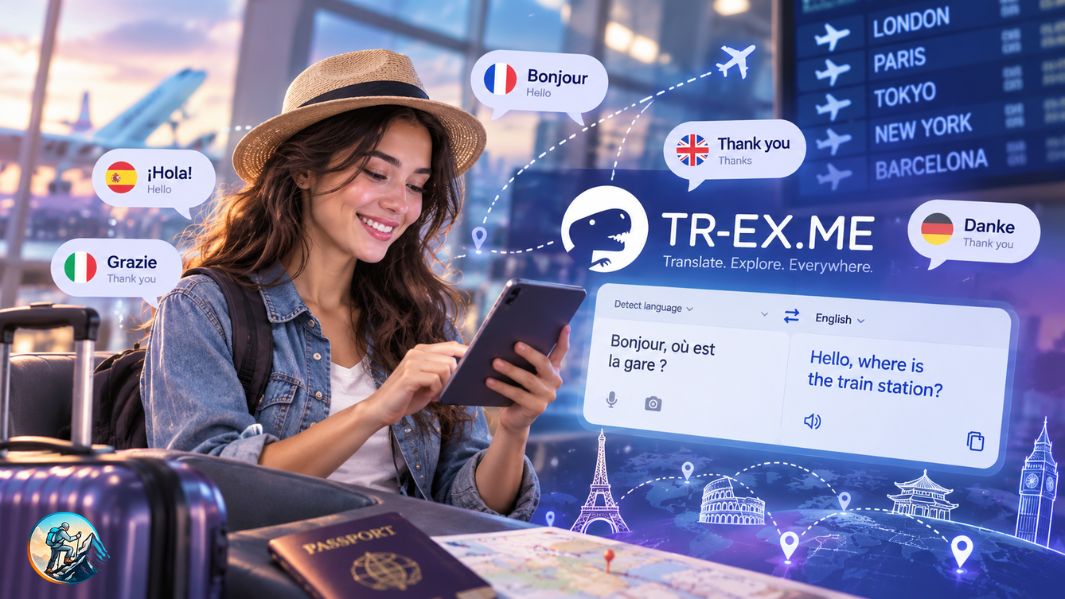
Few things make a trip feel more intimidating than arriving somewhere beautiful and realizing you cannot explain what you need. Ordering food, asking which train to take, checking into a hotel, or describing a problem can suddenly feel difficult. This is where a contextual translation resource like tr-ex.me can help. Instead of treating language as a collection of isolated words, the platform shows translations alongside sentence examples. For travelers, that approach can make a phrase easier to understand because you can see how similar wording works in real situations. Contextual translation, travel communication, and local language phrases can turn a nervous exchange into a much calmer conversation.
How Context Can Prevent Travel Misunderstandings
Literal translation is not always enough. A phrase that looks correct in a dictionary may sound overly formal, confusing, or unnatural when spoken to a hotel receptionist or taxi driver. Context helps you judge whether a phrase matches the situation. Travelers should pay attention to tone, word order, and the surrounding sentence rather than copying the first translation they see. This matters especially for idioms, polite requests, transport terminology, and regional expressions. A good habit is to compare several examples, choose the simplest version, and keep your sentence short.
Using tr-ex.me for Everyday Travel Phrases
Before a trip, search the type of phrases you are likely to need: “Where is the station?”, “I have a reservation,” “Does this contain nuts?”, or “Can you call a taxi?” Looking at complete examples can help you recognize useful patterns instead of memorizing disconnected vocabulary. I find this approach more practical because travel conversations are rarely textbook-perfect. People speak quickly, shorten sentences, and use familiar expressions. Learning a few flexible patterns gives you more confidence than trying to remember dozens of complicated sentences.
Smart Ways to Prepare Before You Leave
Language preparation does not need to become another stressful part of planning. Spend fifteen minutes on common situations connected to your itinerary. Think about airports, hotels, cafés, public transport, shopping, medical needs, and directions. Save only the phrases you genuinely expect to use. Add a pronunciation note if the language is unfamiliar, and keep a screenshot or offline note in case mobile data is unreliable. This simple travel phrase strategy is often more useful than carrying a huge vocabulary list you never open. These habits also help travelers feel more independent when plans suddenly change.
Build a Small Personal Phrase List
Create sections for greetings, transport, accommodation, food, emergencies, and courtesy. Include phrases such as “please,” “thank you,” “excuse me,” and “I do not understand.” Courtesy matters everywhere, even when pronunciation is imperfect. A short, respectful attempt in the local language can change the mood of an interaction. As a useful travel reminder: “Travel becomes easier when curiosity speaks louder than fear.”
Where Contextual Translation Helps Most
Context-based language tools are particularly helpful when a word has several meanings. The English word “charge,” for example, can refer to a price, electricity, responsibility, an accusation, or charging a device. Travelers meet this kind of ambiguity constantly on signs, menus, booking pages, and transport notices. Looking at complete sentences can help you identify the intended meaning. The same principle applies to hotel terminology, airport vocabulary, restaurant language, and customer-service phrases.
Important Limits Travelers Should Remember
Don’t treat any translation tool as perfect. Automated examples can contain awkward wording, and meanings can vary by country or region. For anything involving medical care, legal matters, immigration, safety, or serious dietary allergies, confirm important information with a qualified person or another reliable source. It is also sensible to have a backup translation app or offline dictionary, especially since online services can experience outages or access problems. Technology should support your judgment, not replace it.
Making Language Part of the Travel Experience
The best use of a language tool is not simply getting through transactions. It can also help you notice how people express politeness, humor, gratitude, and everyday friendliness. Try learning the local greeting before landing. Practice ordering one favorite dish. Learn how to ask someone to repeat a sentence slowly. These small efforts make travel feel less like moving through a destination and more like participating in it.
Final Thoughts: Travel with Curiosity, Not Fear
tr-ex.me represents a useful travel idea: words make more sense when you see them in context. Whether you use this platform or a similar contextual translator, the real advantage comes from preparing practical phrases, checking meaning carefully, and staying willing to communicate. You do not need perfect grammar to travel confidently. You need patience, a few dependable phrases, a backup plan, and the courage to try. That combination can make unfamiliar places feel warmer, easier, and far more memorable.
You May Read Also: Travel Smarter with Siemless: A Digital-Security Guide for Modern Journeys

Emma Poppy Deyes: The Inspiring Story of Poppy Deyes, Her Career, Family, and Lifestyle Brand

Laura Sherriff: The Inspiring Story of Craig Phillips’ Wife, TV Presenter and DIY Entrepreneur

Classroom 15x: The Ultimate Guide to Free Online Games, Features, Benefits, and Safe Gaming
Crackstube Explained: A Complete Guide to Its Features, Content, Safety, and Digital Publishing Platform

Nomurano: Discover the Powerful Meaning Behind Modern Creativity, Design, and Intentional Living
Instagram Video Downloader: The Ultimate Guide to Saving Instagram Videos Safely and Easily

Provascin: A Complete Guide to Its Ingredients, Potential Benefits, Uses, and Safety

Tikcotech Explained: Powerful Features, Digital Tools, Benefits, and Everything You Should Know

Cristher: A Complete Guide to Premium Outdoor Lighting, Innovative Design, and Architectural Solutions

HMJones.net Explained: A Complete Guide to Business Loans, Funding Options, and Smarter Financial Decisions
Crackstube Explained: A Complete Guide to Its Features, Content, Safety, and Digital Publishing Platform
Nomurano: Discover the Powerful Meaning Behind Modern Creativity, Design, and Intentional Living

Everest Base Camp Trek vs Manaslu Circuit Trek: Routes, Difficulty, Costs, Altitude and Mountain Experience

Mindset Energy: The Powerful Secret to Better Focus, Confidence, and Personal Growth
Instagram Video Downloader: The Ultimate Guide to Saving Instagram Videos Safely and Easily

iProwess: Discover the Innovative Audio Brand Combining Smart Sound, Lighting, and Modern Technology
HMJones.net Explained: A Complete Guide to Business Loans, Funding Options, and Smarter Financial Decisions

Discover Europe Differently: How European Active Projects Are Reshaping Modern Travel
Provascin: A Complete Guide to Its Ingredients, Potential Benefits, Uses, and Safety

7 Arizona Road Trips Worth Adding to Your Travel Bucket List
Emma Poppy Deyes: The Inspiring Story of Poppy Deyes, Her Career, Family, and Lifestyle Brand
Laura Sherriff: The Inspiring Story of Craig Phillips’ Wife, TV Presenter and DIY Entrepreneur
Classroom 15x: The Ultimate Guide to Free Online Games, Features, Benefits, and Safe Gaming
Crackstube Explained: A Complete Guide to Its Features, Content, Safety, and Digital Publishing Platform
Nomurano: Discover the Powerful Meaning Behind Modern Creativity, Design, and Intentional Living
Instagram Video Downloader: The Ultimate Guide to Saving Instagram Videos Safely and Easily
Provascin: A Complete Guide to Its Ingredients, Potential Benefits, Uses, and Safety
Tikcotech Explained: Powerful Features, Digital Tools, Benefits, and Everything You Should Know
Cristher: A Complete Guide to Premium Outdoor Lighting, Innovative Design, and Architectural Solutions
HMJones.net Explained: A Complete Guide to Business Loans, Funding Options, and Smarter Financial Decisions
-
Technology19 hours ago
Crackstube Explained: A Complete Guide to Its Features, Content, Safety, and Digital Publishing Platform
-
 Blog2 months ago
Beyond the Cages: How an Artificial Zoo Could Redefine Wildlife Travel
-
Blog20 hours ago
Nomurano: Discover the Powerful Meaning Behind Modern Creativity, Design, and Intentional Living
-
Blog1 day ago
Mindset Energy: The Powerful Secret to Better Focus, Confidence, and Personal Growth