
Budget Travel
Planning a Travel Brand? Glorvix Com Contact Can Help You Start the Right Conversation

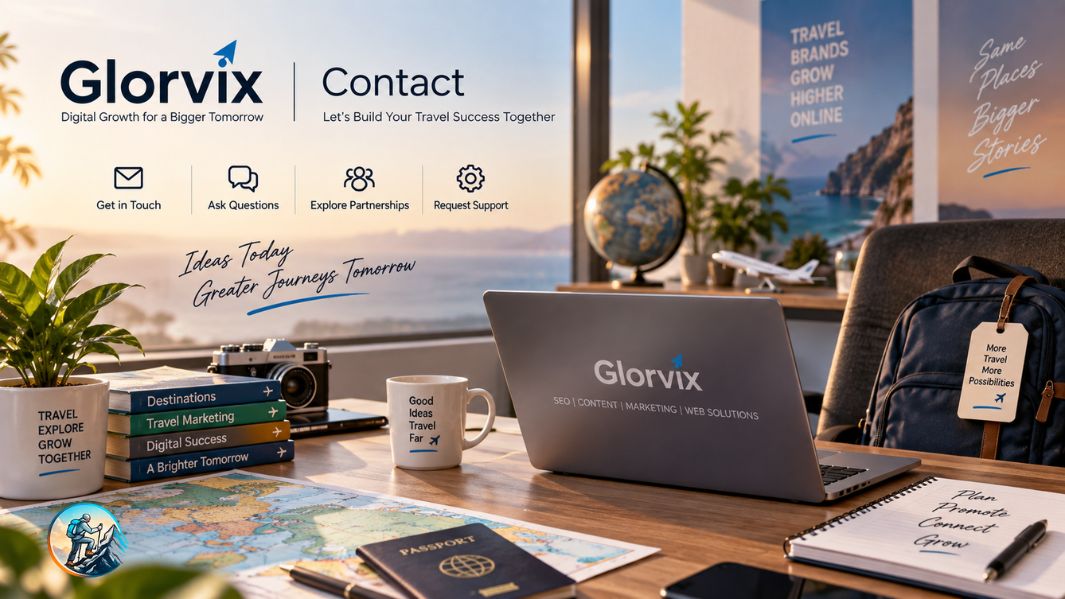
Travel businesses live online long before a guest checks into a hotel, boards a tour bus, or lands at an airport. A destination website, booking page, travel blog, or local guide must be easy to discover and simple to trust. That is where the search phrase Glorvix Com Contact becomes relevant. Glorvix describes itself as an SEO and digital marketing provider rather than a travel booking company, so travelers should not treat it as a reservation desk. Its contact channel is more relevant to travel bloggers, tour operators, hotels, and destination brands seeking digital support.
Why Glorvix Com Contact Matters for Travel Businesses
A travel website can look beautiful and still struggle to attract visitors. Search visibility, useful destination content, mobile performance, and clear calls to action all shape how potential guests find and use a site. Glorvix says it provides SEO and digital marketing services designed to attract website visitors and connect businesses with customers. Its service menu also includes content writing, social media marketing, Google Ads, graphic design, Shopify support, and web-related work.
For a small travel company, that range can be relevant when several online problems overlap. Maybe your tour pages aren’t showing up in search results, your hotel website loads poorly on phones, or your destination content lacks structure. Instead of sending a vague request, explain the travel problem in practical terms. Mention your market, target destinations, seasonal peaks, current website, and the result you want.
Glorvix Com Contact: What Should a Travel Brand Ask?
The official contact page lists admin@glorvix.com and says messages can cover general service questions, feedback, partnerships, collaboration, support, or technical assistance. It also states an intended response window of 24–48 hours.
Your first message should be short but useful. A travel operator could explain that it sells guided trips in a particular region, identify the pages that need stronger travel SEO, and ask what work would be included. A hotel could ask about local search visibility, website improvements, or paid campaigns. A travel publisher might focus on destination content, keyword planning, and organic traffic.
I would also ask how success will be measured. Traffic alone is not enough for most travel businesses. Useful measures may include qualified booking inquiries, calls, itinerary downloads, newsletter signups, or visibility for specific destination searches. Clear goals make it easier to judge whether any digital marketing work is actually supporting the business.
Before You Share Travel Business Information
Travel companies often handle sensitive customer details, so caution matters when speaking with any outside digital provider. In an initial inquiry, you usually don’t need to send guest passports, payment information, passwords, booking records, or private customer data. Start with public information about your website and business goals. If you later need access, agree on the minimum permissions required.
It is also sensible to verify commercial details before paying for work. Ask for the exact scope, timeline, pricing, reporting process, revision policy, and ownership of any content or design assets. If a project involves advertising, clarify who controls the advertising account and budget. For website work, confirm who retains domain, hosting, analytics, and administrative access.
Turning Digital Support Into a Better Travel Experience
Good travel marketing should do more than increase clicks. It should answer the questions people ask before a journey: Where should I stay? How long should I visit? What does a tour include? Is transport straightforward? What happens if plans change? Clear answers to these questions can make a travel brand feel more dependable.
That is why search optimization, mobile usability, helpful travel content, and local visibility work best together. A page about a coastal tour, for example, should not only target keywords. It should explain timing, meeting points, seasonality, what to bring, and who the trip suits. Useful information builds confidence long before a customer presses “book.”
A line I often keep in mind when planning travel content is: “The journey begins before the ticket is bought.” For digital travel brands, that first step may be a search result, a map listing, or a helpful article.
Final Thoughts
Glorvix Com Contact is best understood as a way to reach a digital marketing provider, not as a travel customer-service line. For travel businesses, however, this contact route may help when the real challenge is online visibility, content, advertising, or website performance.
Approach the conversation with a defined travel goal, protect sensitive information, and ask for clear deliverables before committing to a project. When digital support ties to real traveler needs, even a technical marketing discussion can lead to a smoother discovery experience, stronger trust, and more confident bookings. That practical discipline gives travel brands a stronger foundation for sustainable online growth while keeping the traveler’s experience useful.
You May Read Also: A Danish Design Journey: Discovering Trallehylde on Your Scandinavian Travels

Emma Poppy Deyes: The Inspiring Story of Poppy Deyes, Her Career, Family, and Lifestyle Brand

Laura Sherriff: The Inspiring Story of Craig Phillips’ Wife, TV Presenter and DIY Entrepreneur

Classroom 15x: The Ultimate Guide to Free Online Games, Features, Benefits, and Safe Gaming
Crackstube Explained: A Complete Guide to Its Features, Content, Safety, and Digital Publishing Platform

Nomurano: Discover the Powerful Meaning Behind Modern Creativity, Design, and Intentional Living
Instagram Video Downloader: The Ultimate Guide to Saving Instagram Videos Safely and Easily

Provascin: A Complete Guide to Its Ingredients, Potential Benefits, Uses, and Safety

Tikcotech Explained: Powerful Features, Digital Tools, Benefits, and Everything You Should Know

Cristher: A Complete Guide to Premium Outdoor Lighting, Innovative Design, and Architectural Solutions

HMJones.net Explained: A Complete Guide to Business Loans, Funding Options, and Smarter Financial Decisions
Crackstube Explained: A Complete Guide to Its Features, Content, Safety, and Digital Publishing Platform
Nomurano: Discover the Powerful Meaning Behind Modern Creativity, Design, and Intentional Living
Everest Base Camp Trek vs Manaslu Circuit Trek: Routes, Difficulty, Costs, Altitude and Mountain Experience

Mindset Energy: The Powerful Secret to Better Focus, Confidence, and Personal Growth
iProwess: Discover the Innovative Audio Brand Combining Smart Sound, Lighting, and Modern Technology
HMJones.net Explained: A Complete Guide to Business Loans, Funding Options, and Smarter Financial Decisions

Discover Europe Differently: How European Active Projects Are Reshaping Modern Travel
Instagram Video Downloader: The Ultimate Guide to Saving Instagram Videos Safely and Easily

Plan Better Family Adventures With Thomsonkids.com: Ideas for Easier, Happier Travel
Planning America Smarter: How tozymagazine.com USA Can Inspire Better Trips
Emma Poppy Deyes: The Inspiring Story of Poppy Deyes, Her Career, Family, and Lifestyle Brand
Laura Sherriff: The Inspiring Story of Craig Phillips’ Wife, TV Presenter and DIY Entrepreneur
Classroom 15x: The Ultimate Guide to Free Online Games, Features, Benefits, and Safe Gaming
Crackstube Explained: A Complete Guide to Its Features, Content, Safety, and Digital Publishing Platform
Nomurano: Discover the Powerful Meaning Behind Modern Creativity, Design, and Intentional Living
Instagram Video Downloader: The Ultimate Guide to Saving Instagram Videos Safely and Easily
Provascin: A Complete Guide to Its Ingredients, Potential Benefits, Uses, and Safety
Tikcotech Explained: Powerful Features, Digital Tools, Benefits, and Everything You Should Know
Cristher: A Complete Guide to Premium Outdoor Lighting, Innovative Design, and Architectural Solutions
HMJones.net Explained: A Complete Guide to Business Loans, Funding Options, and Smarter Financial Decisions
-
Technology18 hours ago
Crackstube Explained: A Complete Guide to Its Features, Content, Safety, and Digital Publishing Platform
-
 Blog2 months ago
Beyond the Cages: How an Artificial Zoo Could Redefine Wildlife Travel
-
Blog19 hours ago
Nomurano: Discover the Powerful Meaning Behind Modern Creativity, Design, and Intentional Living
-
Blog1 day ago
Mindset Energy: The Powerful Secret to Better Focus, Confidence, and Personal Growth