
Adventure Travel
Machu Picchu Hiking Tours: How to Choose the Right Trek for You

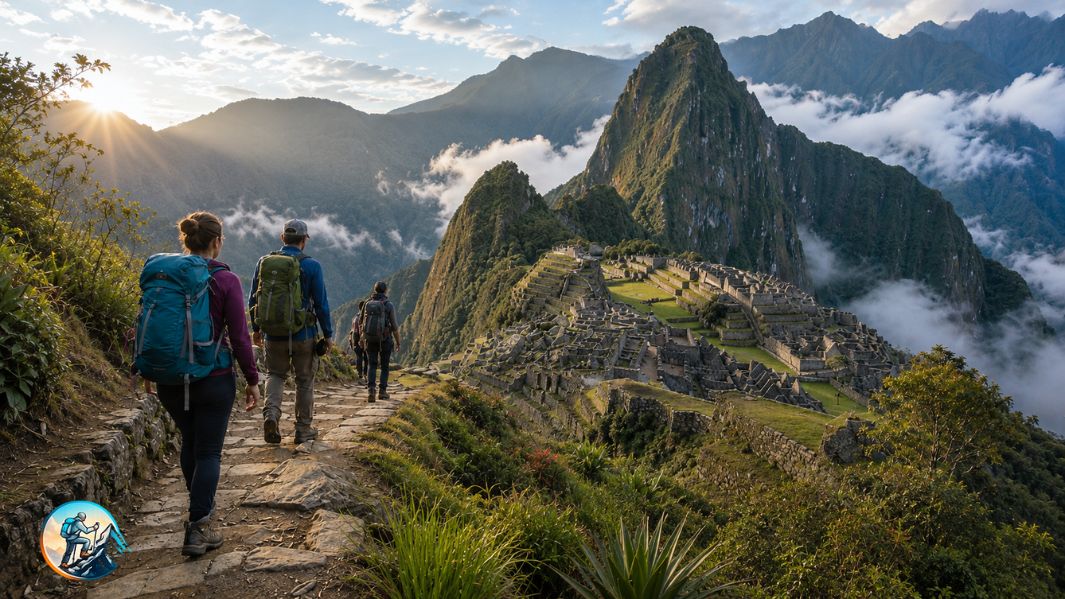
Somewhere past the Sacred Valley, the road stops feeling like a road. The van slows for switchbacks, farms give way to bare rock, and the air starts doing that thin, papery thing that makes you notice your own breathing. You’re not at Machu Picchu yet — not close, really — but this is where the trip actually starts for most people. Long before the citadel comes into view, there are days of walking, cold mornings, and mountains that look a lot bigger up close than they did in photos.
Anyone who’s spent even twenty minutes researching Machu Picchu hiking tours knows there isn’t just one trail to pick. There are several, and they’re genuinely different trips, not just different lengths of the same walk. Some people want the four-day Inca Trail and everything that comes with it — the permits, the camping, the whole ordeal. Others would rather skip the permit scramble and get equally big scenery on a different route. And plenty of travelers want two solid days of hiking and a train ride home, which is completely reasonable. This guide is meant to help you figure out which of those you are before you book anything.
What Separates a Good Trek From a Forgettable One
You can’t tell much from a tour listing. Prices look similar, the photos all show the same mountain, and every operator claims “expert local guides.” The differences show up later — on the trail, not in the brochure.
A trek that’s actually well run usually gets three things right: it builds in real acclimatization time instead of rushing straight into altitude, it hires guides who know the history and not just the route, and it treats its porters decently, which, beyond being the right thing, also tends to correlate with a team that’s in good spirits and good shape by day three. Cut-rate trips skip all three. You won’t notice on the booking page. You’ll notice on day two, when half your group has a headache that didn’t have to happen, or when your guide can point at a wall but can’t tell you why it’s shaped that way.
The Classic Inca Trail
This is the one most people picture when they think about hiking to Machu Picchu — four days, about 26 miles, cloud forest, stone stairways, and a string of Inca sites you’d otherwise miss entirely if you just took the train.
Day two is the one everyone ends up talking about afterward, for better or worse. You climb to Warmiwañusca — Dead Woman’s Pass — a little over 13,800 feet, and it is slow going. Not technically hard, just relentless. The trick, more than fitness, is pacing: small steps, steady breath, no ego about letting faster hikers pass. Going down the other side is its own kind of work too, mostly on the knees, which is where trekking poles quietly earn their keep.
Then comes the last morning. After three days on the trail, you reach Intipunku — the Sun Gate — and Machu Picchu is suddenly just there, laid out below in the early light. People cry. Guides who’ve done this hundreds of times still seem to enjoy watching it happen.
A couple of things worth knowing if this is the route you want:
- Only 500 permits are issued per day, including guides and porters, and June through September dates disappear months in advance.
- You’ll be camping three nights, no way around it — if that’s a dealbreaker, look elsewhere.
- Porters handle the group gear, but you’ll still carry a daypack for water, layers, and your camera.
The Short Inca Trail
If four days of tent life sounds like a lot, the two-day version gets you to the same Sun Gate arrival with far less walking. You join the trail closer to Machu Picchu, pass through Wiñay Wayna and a few smaller ruins, and reach Intipunku on your second day instead of your fourth.
It suits travelers who don’t have a week to spare, or who are folding this into a longer Peru trip and don’t want to give up three extra days. Don’t mistake “short” for “easy,” though — there are still stone steps and a couple of real climbs. Most people with average fitness and a little pre-trip walking manage it fine, but it’s still a hike, not a stroll.
Permits book up nearly as fast as the classic route, so the same advice applies: lock in dates early if you know when you’re traveling.
Salkantay
For hikers chasing bigger, wilder scenery — and who’d rather not deal with a capped daily permit — Salkantay is usually the answer. It’s a five-day trek that climbs to roughly 15,200 feet beneath Salkantay’s glaciers, then drops through the cloud forest toward Machu Picchu, either by train or on foot via Hidroeléctrica.
You give up the archaeological sites along the way, but you get something the Inca Trail can’t really offer anymore: a sense of having the mountains mostly to yourself. Turquoise lakes, snow on the peaks, that particular quiet that only shows up above the tree line. The trade-off is real, though. The high pass day runs longer and colder than anything on the Classic Inca Trail, and altitude sickness is a genuine risk if you skip proper acclimatization beforehand — this isn’t a trek to underestimate just because it doesn’t need a permit.
Because there’s no daily cap, Salkantay is also the more forgiving trek to book at the last minute, making it a solid backup plan if Inca Trail spots are already gone for your dates.
Comparing the Main Routes
Route
Duration
Difficulty
Permit Needed
Best For
Classic Inca Trail 4 days Moderate–Challenging Yes, books out early The full historic arrival
Short Inca Trail 2 days Moderate Yes, books out early Limited time, same Sun Gate finish
Salkantay Trek 5 days Challenging No Big mountain scenery, flexible booking
Lares Trek 3–4 days Moderate No Andean village life, quieter trails
When to Actually Go
May through September is dry season — clear skies, cold nights, and easily the busiest window on every trail. If your dates can move, April and October are worth a look: still generally good weather, noticeably thinner crowds, and occasionally a last-minute Inca Trail permit that opened up.
The wet season, December through March, is a different trade-off. Trails get muddy, mountain views get swallowed by cloud more often, and the Inca Trail itself shuts down entirely every February for maintenance — no exceptions. Salkantay and Lares stay open year-round, so they’re the more dependable choice if your travel window falls outside the dry months.
Whatever season you land in, book the Inca Trail early. July and August dates are often gone four to six months out, and the travelers who wait too long usually end up on Salkantay anyway, just not by choice.
Altitude Is the Part People Brush Off
Cusco alone sits around 11,150 feet — higher than most travelers have ever stood, before the trekking even begins. And altitude sickness doesn’t really care how fit you are back home; it hits marathon runners and casual walkers with about the same odds. The usual advice works because it’s simple: give yourself two or three days in Cusco or the Sacred Valley first, drink more water than feels necessary, go light on the pisco sours those first nights, and try coca tea if you want the local remedy — it’s not a myth, it genuinely helps some people.
A headache, some fatigue, feeling short of breath on stairs — normal, and usually passes. Confusion, chest tightness, or serious nausea is a different story. That’s when you descend and find a doctor, not push through for the sake of the itinerary.
Packing, Realistically
Forget any single “essential” item — layers are what actually save you. Andean weather can go from bright sun to sleet in under an hour, especially near a pass, and it will not warn you first.
- A sleeping bag rated for freezing temperatures, even if you’re trekking in dry season
- A proper waterproof shell, jacket and pants both, regardless of what the forecast says
- Hiking boots that are already broken in — day one of the trail is not the moment to test new ones
- Trekking poles, mostly for your knees on the way down
- Real sun protection — the sun at this altitude, this close to the equator, burns faster than people expect
- A reusable bottle or bladder, since water refill points aren’t guaranteed on every route
What a Guide Actually Adds
You can’t hike the Inca Trail solo, permit or no permit — Peruvian regulations require a licensed guide, full stop. That sounds restrictive until you’re on the trail and realize what you’d be missing otherwise. A good guide isn’t just setting the pace; they’re explaining the stonework, why a particular site sits where it does, which ruins rushed groups skip, and why they shouldn’t. They’re also quietly handling everything you’d rather not think about — campsites, meals, permit paperwork — so your energy goes into the walking.
Group size shapes the trip more than people expect, too. Smaller groups move at a more human pace and get real time with their guide. Bigger groups can start to feel like crowd control, especially at viewpoints where everyone wants their own quiet minute before the next group arrives.
Frequently Asked Questions
What’s the best Machu Picchu hiking tour if I’ve never done a multi-day trek before?
The Short Inca Trail or the Lares Trek tend to be the friendlier entry points. Both still involve real hiking and real altitude, but neither requires the sustained daily distance of the Classic Inca Trail or the Salkantay.
Do I need hiking experience before attempting the Inca Trail?
Not formally, no. But regular walking or light cardio in the weeks leading up to the trip makes a noticeable difference once you hit the steeper stretches — it’s less about strength and more about your legs already being used to moving.
How far ahead should I book?
For June through September, six months out is the safer target. Permits are government-issued and capped, so the good dates fill up early, especially in July and August.
Is the Inca Trail harder than Salkantay?
Different kinds of hard. The Inca Trail is shorter overall but has concentrated steep sections, especially Dead Woman’s Pass. Salkantay covers more distance at higher elevation, and its summit day runs longer and colder.
Can I get to Machu Picchu on foot without an Inca Trail permit?
Yes — Salkantay and Lares both end at Machu Picchu without needing one, either hiking into Aguas Calientes or connecting with the train for the final stretch.
Is there a minimum age for these treks?
Most operators will take kids around 8 and up on the gentler routes, like the Short Inca Trail. The Classic Inca Trail and Salkantay are better suited to older kids and teens, mostly because of distance and altitude, not the walking itself.
How cold does it actually get camping on the trail?
Cold enough to matter — high campsites can brush freezing overnight even in dry season. A properly rated sleeping bag isn’t a nice-to-have here.
Which route has the best view of Machu Picchu on arrival?
Both Inca Trail options — short and classic — end at Intipunku, the Sun Gate, which offers the first sweeping view of the citadel most people picture when they imagine the whole trip.
You May Read Also: A Flavor-First Shanghai Experience: Why Madam Zhu Belongs on Your Food Itinerary

Emma Poppy Deyes: The Inspiring Story of Poppy Deyes, Her Career, Family, and Lifestyle Brand

Laura Sherriff: The Inspiring Story of Craig Phillips’ Wife, TV Presenter and DIY Entrepreneur

Classroom 15x: The Ultimate Guide to Free Online Games, Features, Benefits, and Safe Gaming
Crackstube Explained: A Complete Guide to Its Features, Content, Safety, and Digital Publishing Platform
Nomurano: Discover the Powerful Meaning Behind Modern Creativity, Design, and Intentional Living

Instagram Video Downloader: The Ultimate Guide to Saving Instagram Videos Safely and Easily

Provascin: A Complete Guide to Its Ingredients, Potential Benefits, Uses, and Safety

Tikcotech Explained: Powerful Features, Digital Tools, Benefits, and Everything You Should Know
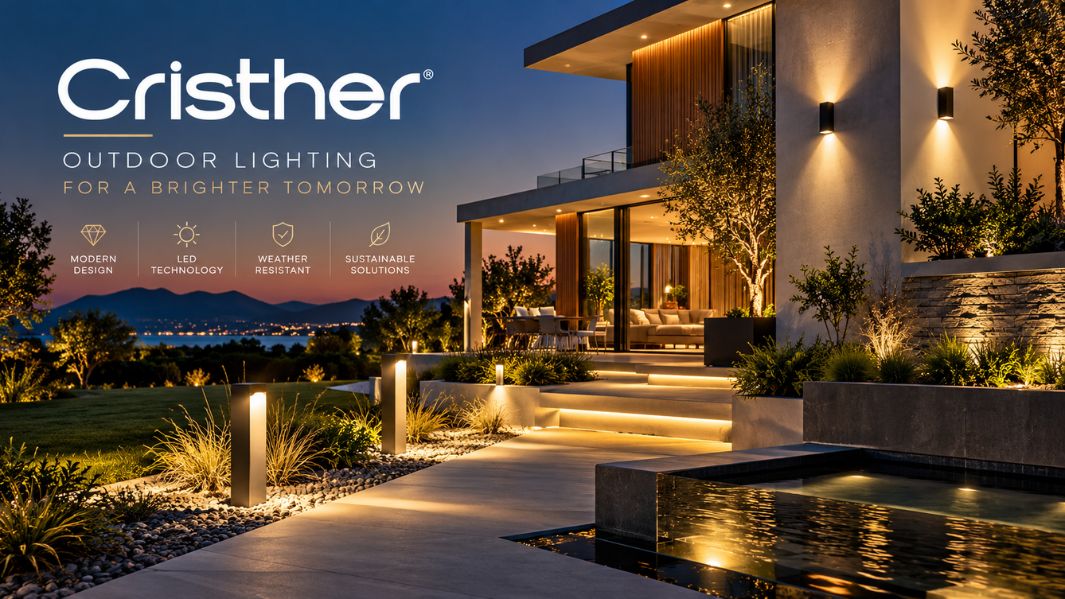
Cristher: A Complete Guide to Premium Outdoor Lighting, Innovative Design, and Architectural Solutions

HMJones.net Explained: A Complete Guide to Business Loans, Funding Options, and Smarter Financial Decisions
Nomurano: Discover the Powerful Meaning Behind Modern Creativity, Design, and Intentional Living
Crackstube Explained: A Complete Guide to Its Features, Content, Safety, and Digital Publishing Platform
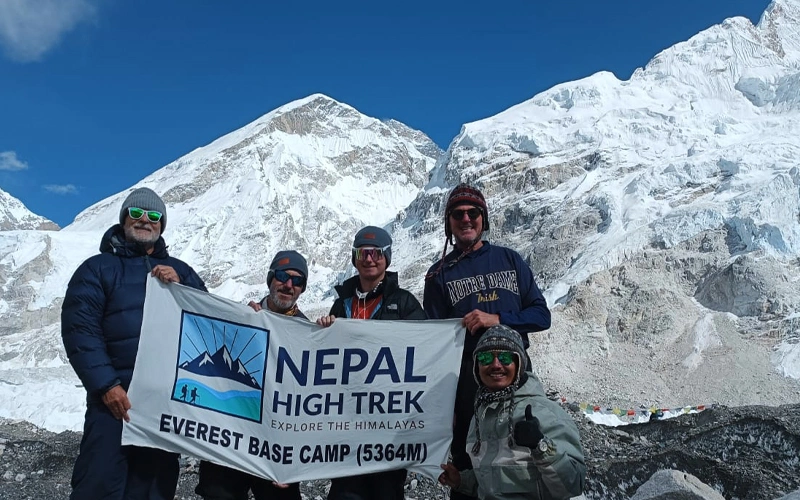
Everest Base Camp Trek vs Manaslu Circuit Trek: Routes, Difficulty, Costs, Altitude and Mountain Experience
Mindset Energy: The Powerful Secret to Better Focus, Confidence, and Personal Growth
iProwess: Discover the Innovative Audio Brand Combining Smart Sound, Lighting, and Modern Technology
HMJones.net Explained: A Complete Guide to Business Loans, Funding Options, and Smarter Financial Decisions
Provascin: A Complete Guide to Its Ingredients, Potential Benefits, Uses, and Safety

Master Information Block: The Essential Guide to Understanding 4G and 5G Network Communication
Instagram Video Downloader: The Ultimate Guide to Saving Instagram Videos Safely and Easily
Plan Better Family Adventures With Thomsonkids.com: Ideas for Easier, Happier Travel
Emma Poppy Deyes: The Inspiring Story of Poppy Deyes, Her Career, Family, and Lifestyle Brand
Laura Sherriff: The Inspiring Story of Craig Phillips’ Wife, TV Presenter and DIY Entrepreneur
Classroom 15x: The Ultimate Guide to Free Online Games, Features, Benefits, and Safe Gaming
Crackstube Explained: A Complete Guide to Its Features, Content, Safety, and Digital Publishing Platform
Nomurano: Discover the Powerful Meaning Behind Modern Creativity, Design, and Intentional Living
Instagram Video Downloader: The Ultimate Guide to Saving Instagram Videos Safely and Easily
Provascin: A Complete Guide to Its Ingredients, Potential Benefits, Uses, and Safety
Tikcotech Explained: Powerful Features, Digital Tools, Benefits, and Everything You Should Know
Cristher: A Complete Guide to Premium Outdoor Lighting, Innovative Design, and Architectural Solutions
HMJones.net Explained: A Complete Guide to Business Loans, Funding Options, and Smarter Financial Decisions
-
 Blog2 months ago
Beyond the Cages: How an Artificial Zoo Could Redefine Wildlife Travel
-
Technology16 hours ago
Crackstube Explained: A Complete Guide to Its Features, Content, Safety, and Digital Publishing Platform
-
Blog16 hours ago
Nomurano: Discover the Powerful Meaning Behind Modern Creativity, Design, and Intentional Living
-
Blog1 day ago
Mindset Energy: The Powerful Secret to Better Focus, Confidence, and Personal Growth