
Adventure Travel
Escape to Hydra Saronic Islands: A Car-Free Greek Island Made for Slow Travel

Why Hydra Saronic Islands Feels Different
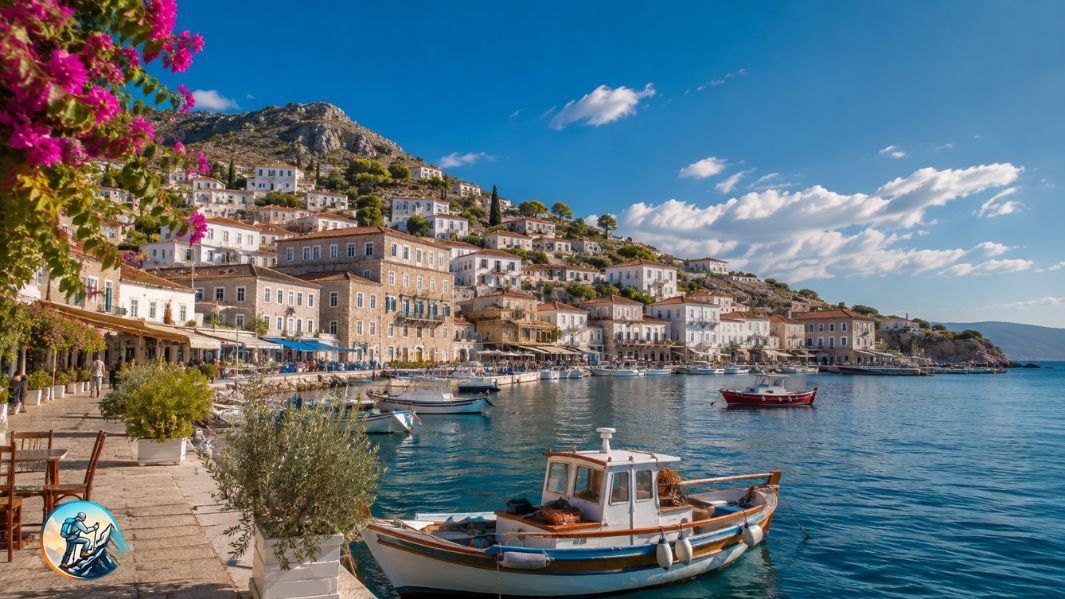
Hydra changes your pace almost as soon as you step off the ferry. Set in the Saronic Gulf, near Athens, it combines a stone harbour, sea-facing mansions, steep lanes and almost no ordinary road traffic. Instead of planning around a rental car, you walk, take a water taxi, or follow the waterfront until somewhere looks too inviting to pass. That slower rhythm makes Hydra ideal for a romantic weekend, a cultural break, or a peaceful extension of Athens.
The main town curves around the harbour, with cafés, shops, galleries and historic buildings rising into the hills. Arriving by sea is part of the experience: the waterfront appears at once, framed by rocky slopes and traditional architecture. My advice is not to rush away from the port. Give yourself time to wander without a checklist. Hydra rewards curiosity more than speed.
Getting to Hydra and Moving Around
Most international visitors reach Hydra through Piraeus, Athens’ main port. Fast passenger ferries connect Piraeus with Hydra, while boats also link the island with other Saronic Islands and the Peloponnese. Timetables change seasonally and can be affected by weather, so confirm your sailing shortly before travel, especially if you have a flight afterward.
Once you arrive, transport is wonderfully simple. Hydra is famous for being car-free, and walking becomes part of the holiday. Water taxis and excursion boats are useful for beaches farther from town. Pack light if your accommodation sits uphill; Hydra’s stone paths are beautiful, but dragging a heavy suitcase over them is less romantic than the photographs suggest.
Exploring Hydra Saronic Islands on Foot
Start at the harbor, climb into Hydra Town’s narrow lanes, then follow the coast toward Kamini. This walk quickly reveals the island: weathered stone walls, flashes of blue water, quiet courtyards and viewpoints between houses. Continue toward Vlychos if the temperature is comfortable and you want a longer coastal stroll.
For energetic travelers, marked hiking trails lead into Hydra’s rugged interior, where monasteries, hills and wide sea views replace the harbor bustle. Summer heat can make exposed routes demanding, so begin early, carry water and wear proper shoes. Spring and autumn are especially rewarding for walkers.
Best Beaches and Swimming Spots
Hydra is not primarily a broad, sandy-beach destination, and knowing that sets the right expectations. Its appeal lies in clear water, small coves, pebbly shores and rocky swimming spots. Mandraki Beach is an easy option from town and is notable for its sand and organized facilities. West of the harbor, Vlychos offers a relaxed seaside setting reached on foot or by boat.
For a more secluded day, consider Agios Nikolaos and Bisti, commonly reached by sea. These bays suit travelers who want swimming, snorkeling and quieter scenery away from the harbor. Bring sun protection, water and footwear suitable for pebbles or rocks.
Food, Culture and Evening Atmosphere
Hydra’s pleasure is as much about the mood as it is about sightseeing. Spend time over Greek cuisine rather than treating meals as gaps between attractions. Fresh seafood, simple salads, local sweets and waterfront dinners fit the island naturally. Prices around the harbor can be higher than on less fashionable Greek islands, so check menus first if you are traveling on a budget.
Hydra also has a strong maritime and artistic identity. Historic mansions, museums and religious sites add depth to a photogenic escape. The island has attracted writers and artists for decades, and that creative atmosphere still feels present in galleries and restored buildings.
A travel thought fits Hydra perfectly: “The best islands do not entertain you every minute; they teach you to notice more.” Sunset needs no schedule. Find a waterside viewpoint and watch the harbor change color in the evening.
Best Time to Visit and Practical Tips
For warm weather with fewer peak-season crowds, consider May, June, September or early October. July and August bring stronger summer energy, but also higher temperatures, busier ferries and greater accommodation demand. Book earlier for a summer weekend.
Wear comfortable shoes, keep flexibility in your ferry schedule and choose accommodation based on how much uphill walking you can manage. A day trip from Athens is possible, but one or two nights lets you experience quieter mornings and evenings after many day visitors leave.
Why Hydra Deserves a Place on Your Greece Itinerary
Hydra Saronic Islands travel is best when you stop collecting attractions and start noticing details: footsteps on stone lanes, boats crossing a glassy bay, shaded tables beside the harbor and the silence created by little traffic. It is accessible without feeling ordinary, elegant without demanding luxury, and peaceful without being dull. For travelers seeking a Greek island escape with history, swimming, walking and genuine character, Hydra is easy to remember long after the ferry leaves.
Fact-check note, separate from the article: Hydra’s harbor character, maritime heritage and visitor attractions are documented by Greece’s official tourism site. Official Hydra hiking information confirms its car-free character, walking network and connections from Piraeus. Mandraki, Kamini and beach-access details were cross-checked against Hydra’s port authority and current destination guidance.
You May Read Also: Hidden Latvia: Dūņas and the Quiet Countryside Beyond Kuldīga

Emma Poppy Deyes: The Inspiring Story of Poppy Deyes, Her Career, Family, and Lifestyle Brand

Laura Sherriff: The Inspiring Story of Craig Phillips’ Wife, TV Presenter and DIY Entrepreneur

Classroom 15x: The Ultimate Guide to Free Online Games, Features, Benefits, and Safe Gaming

Crackstube Explained: A Complete Guide to Its Features, Content, Safety, and Digital Publishing Platform
Nomurano: Discover the Powerful Meaning Behind Modern Creativity, Design, and Intentional Living

Instagram Video Downloader: The Ultimate Guide to Saving Instagram Videos Safely and Easily

Provascin: A Complete Guide to Its Ingredients, Potential Benefits, Uses, and Safety

Tikcotech Explained: Powerful Features, Digital Tools, Benefits, and Everything You Should Know

Cristher: A Complete Guide to Premium Outdoor Lighting, Innovative Design, and Architectural Solutions

HMJones.net Explained: A Complete Guide to Business Loans, Funding Options, and Smarter Financial Decisions
Crackstube Explained: A Complete Guide to Its Features, Content, Safety, and Digital Publishing Platform
Nomurano: Discover the Powerful Meaning Behind Modern Creativity, Design, and Intentional Living

Everest Base Camp Trek vs Manaslu Circuit Trek: Routes, Difficulty, Costs, Altitude and Mountain Experience

Mindset Energy: The Powerful Secret to Better Focus, Confidence, and Personal Growth

iProwess: Discover the Innovative Audio Brand Combining Smart Sound, Lighting, and Modern Technology
HMJones.net Explained: A Complete Guide to Business Loans, Funding Options, and Smarter Financial Decisions
Discover Europe Differently: How European Active Projects Are Reshaping Modern Travel
Provascin: A Complete Guide to Its Ingredients, Potential Benefits, Uses, and Safety

7 Arizona Road Trips Worth Adding to Your Travel Bucket List

Master Information Block: The Essential Guide to Understanding 4G and 5G Network Communication
Emma Poppy Deyes: The Inspiring Story of Poppy Deyes, Her Career, Family, and Lifestyle Brand
Laura Sherriff: The Inspiring Story of Craig Phillips’ Wife, TV Presenter and DIY Entrepreneur
Classroom 15x: The Ultimate Guide to Free Online Games, Features, Benefits, and Safe Gaming
Crackstube Explained: A Complete Guide to Its Features, Content, Safety, and Digital Publishing Platform
Nomurano: Discover the Powerful Meaning Behind Modern Creativity, Design, and Intentional Living
Instagram Video Downloader: The Ultimate Guide to Saving Instagram Videos Safely and Easily
Provascin: A Complete Guide to Its Ingredients, Potential Benefits, Uses, and Safety
Tikcotech Explained: Powerful Features, Digital Tools, Benefits, and Everything You Should Know
Cristher: A Complete Guide to Premium Outdoor Lighting, Innovative Design, and Architectural Solutions
HMJones.net Explained: A Complete Guide to Business Loans, Funding Options, and Smarter Financial Decisions
-
Technology14 hours ago
Crackstube Explained: A Complete Guide to Its Features, Content, Safety, and Digital Publishing Platform
-
 Blog2 months ago
Beyond the Cages: How an Artificial Zoo Could Redefine Wildlife Travel
-
Blog15 hours ago
Nomurano: Discover the Powerful Meaning Behind Modern Creativity, Design, and Intentional Living
-
Adventure Travel1 week ago
Everest Base Camp Trek vs Manaslu Circuit Trek: Routes, Difficulty, Costs, Altitude and Mountain Experience