
Adventure Travel
Hidden Latvia: Dūņas and the Quiet Countryside Beyond Kuldīga

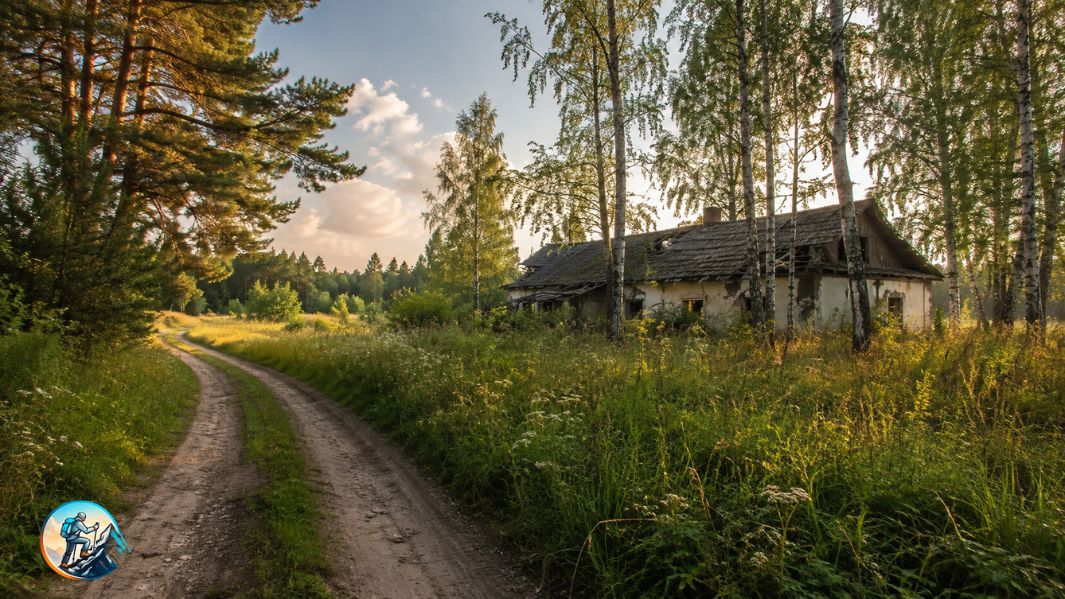
Some places reward you with landmarks; others reward you with silence. Dūņas, a little-known historical homestead site in Renda Parish, Kuldīga Municipality, belongs firmly to the second group. About four kilometers from Renda, on the left side of the Renda–Kuldīga road, the former farmstead sits in a landscape gradually reclaimed by trees and shrubs. It is not a developed attraction with ticket desks, cafés, or marked visitor facilities. It may appeal to travelers interested in rural Latvia, forgotten settlements, local history, and slow journeys through Kurzeme.
Why Dūņas Is Worth Knowing About
Historical records describe Dūņas as a new twentieth-century farmstead associated with land allocated in 1921. The site does not appear as a farm on Latvian military maps from the early 1920s, when the area was still shown mainly as agricultural and forest land. Today, the buildings are recorded as abandoned and collapsed, and the site has no official heritage protection status. For visitors, that changes the experience: Dūņas is better understood as a cultural landscape and a point of historical curiosity than as a conventional sightseeing stop.
What Makes Dūņas Different From a Typical Attraction
There is no polished interpretation center telling you what to notice. Instead, the value lies in reading the landscape carefully: old routes, changing vegetation, traces of settlement, and the relationship between fields and forest. Places like this feel most meaningful without a checklist. Spend a few quiet minutes observing rather than searching for a dramatic photo. As the saying goes, “Not all those who wander are lost.” Here, wandering is less about distance and more about noticing what ordinary maps often leave out.
Planning a Responsible Visit to Dūņas
Because Dūņas is not presented as a formal tourist attraction, preparation matters. Use reliable mapping before setting out, and treat the recorded coordinates as orientation rather than an invitation to enter private or unsafe ground. Ruined structures can be unstable, vegetation may conceal hazards, and land access conditions can change. Stay on public roads or clearly marked paths, respect signs and fences, and never enter abandoned buildings. Bring walking shoes, weather-resistant clothing, water, and an offline map.
The best approach is to make Dūņas one small part of a wider Renda and Kuldīga itinerary. Renda has recognized local sights, including the Īvande River waterfalls and historic churches. Farther west, Kuldīga offers a different experience: preserved streets, riverside walks, the Venta Rapid, and a historic center that UNESCO inscribed on the World Heritage List in 2023. Pairing these places creates a satisfying contrast between obscure rural heritage and one of Latvia’s celebrated historic towns.
Best Time to Explore Dūņas and the Renda Area
Late spring through early autumn is generally the most comfortable period for exploring the Kurzeme countryside, especially if you want long daylight hours and easier walking conditions. Summer brings greener scenery, while early autumn adds color and a quieter mood. After prolonged rain, rural verges and informal tracks may become muddy, so avoid relying on lightweight city shoes. Winter can be atmospheric, but shorter daylight hours and slippery ground make navigating an undeveloped site less forgiving.
How to Build a Simple Day Trip
A practical itinerary is to begin in Renda, visit the local waterfalls, continue toward Dūņas only where legal and safe access allows, then finish in Kuldīga. This keeps the day varied without rushing. In Kuldīga, allow time to walk rather than photograph the headline sights. The old town, the Venta River, and the red-brick bridge work best as a connected walking experience. The historic bridge dates from 1874 and remains one of the town’s notable architectural sights. Travelers who enjoy nature tourism, heritage photography, and quiet roads will probably appreciate this route more than visitors seeking nightlife or packaged entertainment.
Food and fuel are worth thinking about before entering rural stretches. Keep your phone charged, download your route, and tell someone where you are going if you plan to walk away from busier roads. Mobile reception should not be assumed when traveling in the countryside, and a few precautions make spontaneous exploration more relaxed.
Is Dūņas Right for Your Latvia Trip?
Choose Dūņas if you enjoy understated places, local history, and the feeling of finding a landscape that has not been shaped for tourism. Skip it if you need guaranteed facilities, accessibility infrastructure, guided interpretation, or a major standalone attraction. The strongest reason to include it is curiosity: it adds texture to a journey through western Latvia and encourages you to see the countryside as a record of lives, farms, roads, and gradual change.
Dūņas will not compete with Kuldīga for grandeur, and it does not need to. Its appeal is quieter. Visit respectfully, keep expectations realistic, combine it with Renda’s natural sights, and let the wider Kuldīga region provide the context. Sometimes the most memorable travel moments indeed come from places that ask you to look twice.
You May Read Also: A Smarter Escape to Adeson: A Practical Guide to Al Mubarraz and Al-Ahsa

Emma Poppy Deyes: The Inspiring Story of Poppy Deyes, Her Career, Family, and Lifestyle Brand

Laura Sherriff: The Inspiring Story of Craig Phillips’ Wife, TV Presenter and DIY Entrepreneur

Classroom 15x: The Ultimate Guide to Free Online Games, Features, Benefits, and Safe Gaming

Crackstube Explained: A Complete Guide to Its Features, Content, Safety, and Digital Publishing Platform
Nomurano: Discover the Powerful Meaning Behind Modern Creativity, Design, and Intentional Living

Instagram Video Downloader: The Ultimate Guide to Saving Instagram Videos Safely and Easily

Provascin: A Complete Guide to Its Ingredients, Potential Benefits, Uses, and Safety

Tikcotech Explained: Powerful Features, Digital Tools, Benefits, and Everything You Should Know

Cristher: A Complete Guide to Premium Outdoor Lighting, Innovative Design, and Architectural Solutions

HMJones.net Explained: A Complete Guide to Business Loans, Funding Options, and Smarter Financial Decisions
Crackstube Explained: A Complete Guide to Its Features, Content, Safety, and Digital Publishing Platform
Nomurano: Discover the Powerful Meaning Behind Modern Creativity, Design, and Intentional Living

Everest Base Camp Trek vs Manaslu Circuit Trek: Routes, Difficulty, Costs, Altitude and Mountain Experience

Mindset Energy: The Powerful Secret to Better Focus, Confidence, and Personal Growth

iProwess: Discover the Innovative Audio Brand Combining Smart Sound, Lighting, and Modern Technology
HMJones.net Explained: A Complete Guide to Business Loans, Funding Options, and Smarter Financial Decisions

Discover Europe Differently: How European Active Projects Are Reshaping Modern Travel
Instagram Video Downloader: The Ultimate Guide to Saving Instagram Videos Safely and Easily

Plan Better Family Adventures With Thomsonkids.com: Ideas for Easier, Happier Travel

Planning America Smarter: How tozymagazine.com USA Can Inspire Better Trips
Emma Poppy Deyes: The Inspiring Story of Poppy Deyes, Her Career, Family, and Lifestyle Brand
Laura Sherriff: The Inspiring Story of Craig Phillips’ Wife, TV Presenter and DIY Entrepreneur
Classroom 15x: The Ultimate Guide to Free Online Games, Features, Benefits, and Safe Gaming
Crackstube Explained: A Complete Guide to Its Features, Content, Safety, and Digital Publishing Platform
Nomurano: Discover the Powerful Meaning Behind Modern Creativity, Design, and Intentional Living
Instagram Video Downloader: The Ultimate Guide to Saving Instagram Videos Safely and Easily
Provascin: A Complete Guide to Its Ingredients, Potential Benefits, Uses, and Safety
Tikcotech Explained: Powerful Features, Digital Tools, Benefits, and Everything You Should Know
Cristher: A Complete Guide to Premium Outdoor Lighting, Innovative Design, and Architectural Solutions
HMJones.net Explained: A Complete Guide to Business Loans, Funding Options, and Smarter Financial Decisions
-
Technology20 hours ago
Crackstube Explained: A Complete Guide to Its Features, Content, Safety, and Digital Publishing Platform
-
 Blog2 months ago
Beyond the Cages: How an Artificial Zoo Could Redefine Wildlife Travel
-
Blog21 hours ago
Nomurano: Discover the Powerful Meaning Behind Modern Creativity, Design, and Intentional Living
-
Blog1 day ago
Mindset Energy: The Powerful Secret to Better Focus, Confidence, and Personal Growth