
Luxury Travel
Where Chandelierium Turns Travel Into a Journey of Light, Art, and Atmosphere

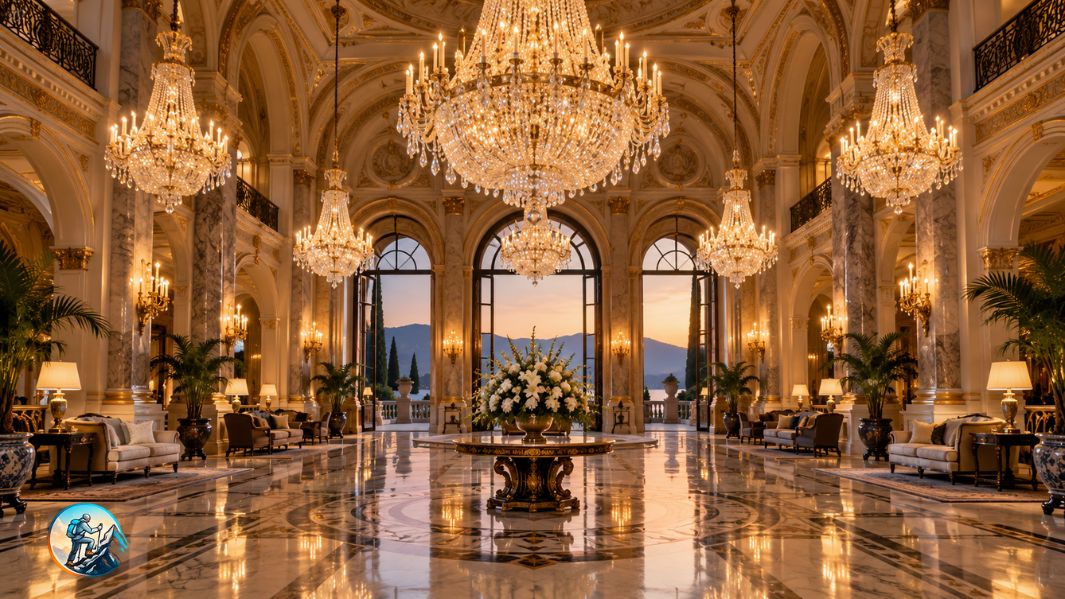
Travel is often described through landscapes, food, architecture, and traditions, yet lighting can shape a destination just as strongly. Chandelierium is a useful way to describe places where chandeliers, suspended installations, crystal lighting, and dramatic illumination become part of the experience rather than simple decoration. For this travel guide, it is best understood as a design-focused way of discovering hotels, historic halls, galleries, restaurants, theatres, and heritage buildings where light becomes part of the story.
For curious travelers, that opens a rich route through decorative lighting, historic interiors, design tourism, and memorable indoor spaces. A chandelier can reveal craftsmanship, wealth, changing fashion, materials, or a building’s original purpose. When you start noticing these details, an ordinary visit can become far more immersive.
Why Chandelierium Belongs on a Design-Lover’s Travel List
Chandelierium’s appeal is simple: spectacular lighting changes how a place feels. Grand crystal fixtures can make a hotel lobby feel ceremonial, while contemporary suspended sculptures can turn a modern gallery into something almost theatrical. Travellers who enjoy interior architecture, art, photography, or hospitality may find these spaces especially rewarding.
This style of travel also works well when weather changes your plans. Rainy afternoons, winter evenings, or hot midday hours can be perfect for exploring museums, historic hotels, cultural centers, and beautifully designed cafés. Instead of treating indoor sightseeing as a backup plan, Chandelierium makes it part of the itinerary.
A line I often keep in mind while traveling is, “The details are not the details; they make the design.” That idea fits chandelier-focused travel perfectly. Looking upward can completely change how you understand a room.
How to Experience Chandelierium While Traveling
You do not need a specialist tour. Start by researching heritage hotels, opera houses, old railway stations, palaces, museums, grand restaurants, and restored civic buildings. Before visiting, check their photo galleries and note whether they mention ceiling features or lighting installations.
Chandelierium Photography Without Missing the Experience
Photographing chandeliers can be difficult because bright bulbs and reflective crystal often confuse phone cameras. Lower the exposure slightly, avoid direct flash, and step back far enough to include the ceiling or architectural frame. Symmetrical compositions work particularly well in ballrooms, staircases, and entrance halls.
But do not spend the entire visit staring through a screen. Take a few photographs, then put the phone away. Stand beneath the fixture and notice how the light falls across walls, mirrors, stone, wood, or glass. The atmosphere is usually more impressive in person than in a tightly cropped image.
Best Times to See Decorative Lighting
Late afternoon and early evening are often ideal. Natural light is fading, interior lights are switched on, and you can appreciate both the architecture and the illumination. In hotels or restaurants, quieter hours may give you more room to observe without disturbing guests.
Practical Travel Tips for Chandelierium Explorers
Always check access rules before entering a hotel, private venue, theatre, or restaurant purely to see its interior. Some buildings welcome visitors freely; others may limit access to ticket holders, diners, or registered guests. Respect photography restrictions, especially in museums, religious buildings, and performance venues.
Comfort matters too. Chandelier-focused itineraries often involve historic buildings with staircases or polished floors, so practical shoes still come in handy.
Budget travelers can enjoy this theme as easily as luxury travelers. Public museums, municipal buildings, galleries, libraries, department stores, and railway halls may offer striking ceiling design and architectural lighting without expensive admission. The goal is not to chase the costliest chandelier; it is to notice places where lighting contributes meaningfully to character.
Turning Chandelierium Into a Memorable City Itinerary
A balanced day might begin with a historic building, continue with a museum or design gallery, pause at a visually interesting café, and end at a theatre, hotel lounge, or restaurant with dramatic evening lighting. This creates variety while keeping the theme coherent.
Ask local staff about unusual fixtures when appropriate. You may learn whether a chandelier is original, restored, locally made, or connected to a renovation. Those conversations often create memories that generic sightseeing lists cannot provide.
Why This Travel Idea Stays With You
Chandelierium encourages a slower, more observant style of travel. It asks you to notice craftsmanship above eye level, appreciate how designers shape mood, and discover beauty in spaces you might otherwise pass through quickly. Whether you are exploring a grand European hall, a modern Asian hotel, a restored theatre, or a small local gallery, the principle remains the same: light can be part of the destination.
So on your next trip, look up. A room you expected to cross in thirty seconds may become one of the places you remember most.
You May Read Also: Beyond the Highlands: Red Stag Encounters That Make a Wildlife Journey Unforgettable

Emma Poppy Deyes: The Inspiring Story of Poppy Deyes, Her Career, Family, and Lifestyle Brand

Laura Sherriff: The Inspiring Story of Craig Phillips’ Wife, TV Presenter and DIY Entrepreneur

Classroom 15x: The Ultimate Guide to Free Online Games, Features, Benefits, and Safe Gaming
Crackstube Explained: A Complete Guide to Its Features, Content, Safety, and Digital Publishing Platform
Nomurano: Discover the Powerful Meaning Behind Modern Creativity, Design, and Intentional Living
Instagram Video Downloader: The Ultimate Guide to Saving Instagram Videos Safely and Easily

Provascin: A Complete Guide to Its Ingredients, Potential Benefits, Uses, and Safety

Tikcotech Explained: Powerful Features, Digital Tools, Benefits, and Everything You Should Know

Cristher: A Complete Guide to Premium Outdoor Lighting, Innovative Design, and Architectural Solutions

HMJones.net Explained: A Complete Guide to Business Loans, Funding Options, and Smarter Financial Decisions
Crackstube Explained: A Complete Guide to Its Features, Content, Safety, and Digital Publishing Platform
Nomurano: Discover the Powerful Meaning Behind Modern Creativity, Design, and Intentional Living

Everest Base Camp Trek vs Manaslu Circuit Trek: Routes, Difficulty, Costs, Altitude and Mountain Experience

Mindset Energy: The Powerful Secret to Better Focus, Confidence, and Personal Growth
HMJones.net Explained: A Complete Guide to Business Loans, Funding Options, and Smarter Financial Decisions
Discover Europe Differently: How European Active Projects Are Reshaping Modern Travel
Instagram Video Downloader: The Ultimate Guide to Saving Instagram Videos Safely and Easily

iProwess: Discover the Innovative Audio Brand Combining Smart Sound, Lighting, and Modern Technology
Provascin: A Complete Guide to Its Ingredients, Potential Benefits, Uses, and Safety

7 Arizona Road Trips Worth Adding to Your Travel Bucket List
Emma Poppy Deyes: The Inspiring Story of Poppy Deyes, Her Career, Family, and Lifestyle Brand
Laura Sherriff: The Inspiring Story of Craig Phillips’ Wife, TV Presenter and DIY Entrepreneur
Classroom 15x: The Ultimate Guide to Free Online Games, Features, Benefits, and Safe Gaming
Crackstube Explained: A Complete Guide to Its Features, Content, Safety, and Digital Publishing Platform
Nomurano: Discover the Powerful Meaning Behind Modern Creativity, Design, and Intentional Living
Instagram Video Downloader: The Ultimate Guide to Saving Instagram Videos Safely and Easily
Provascin: A Complete Guide to Its Ingredients, Potential Benefits, Uses, and Safety
Tikcotech Explained: Powerful Features, Digital Tools, Benefits, and Everything You Should Know
Cristher: A Complete Guide to Premium Outdoor Lighting, Innovative Design, and Architectural Solutions
HMJones.net Explained: A Complete Guide to Business Loans, Funding Options, and Smarter Financial Decisions
-
Technology19 hours ago
Crackstube Explained: A Complete Guide to Its Features, Content, Safety, and Digital Publishing Platform
-
 Blog2 months ago
Beyond the Cages: How an Artificial Zoo Could Redefine Wildlife Travel
-
Blog20 hours ago
Nomurano: Discover the Powerful Meaning Behind Modern Creativity, Design, and Intentional Living
-
Blog1 day ago
Mindset Energy: The Powerful Secret to Better Focus, Confidence, and Personal Growth