
Budget Travel
A Journey Through Memory: Elie Wiesel Romania, and the Streets of Sighet

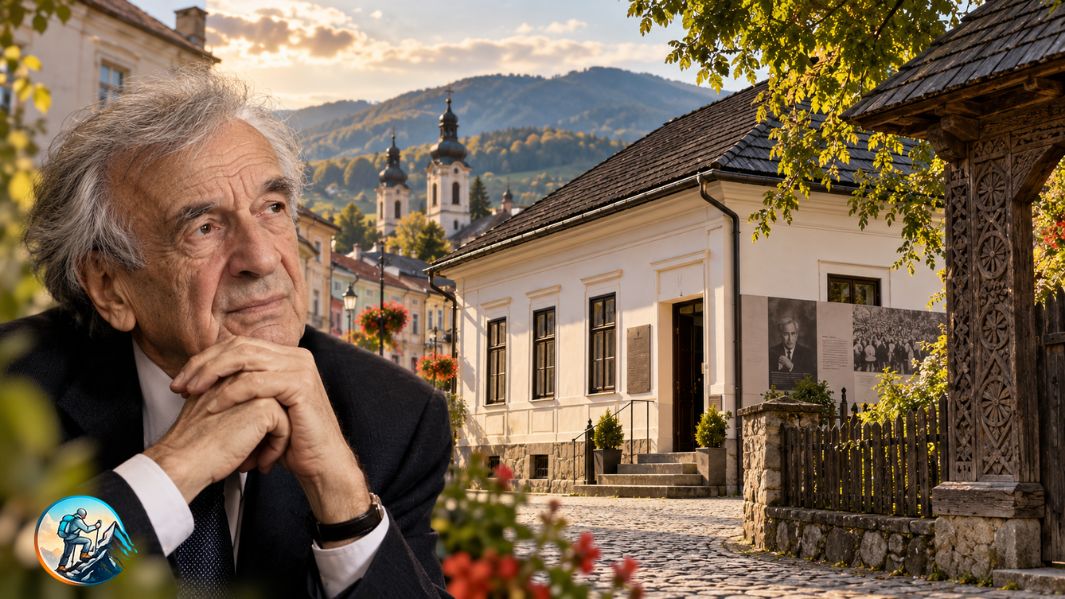
Romania is usually sold through castles, mountain roads, painted monasteries, and the wooden villages of Maramureș. Yet one of the country’s most meaningful journeys begins in a modest house in Sighetu Marmației, the northern Romanian town where Elie Wiesel was born in 1928. A visit connected with Elie Wiesel Romania is not conventional sightseeing. It is a journey into Jewish heritage, Holocaust memory, literature, and the questions that shaped an influential witness.
Wiesel spent his childhood in Sighet, then part of a culturally mixed Transylvanian border region. In 1944, he and his family were deported to Auschwitz. He survived Auschwitz and Buchenwald, later became an author and human-rights advocate, and received the Nobel Peace Prize in 1986. Knowing that history changes the way Sighet feels. Streets that might otherwise seem ordinary become part of a larger story about community, loss, survival, and remembrance.
Why Elie Wiesel Romania Belongs on a Maramureș Journey
For travellers interested in history, Sighetu Marmației offers something rare: the chance to connect a world-famous life story to its physical beginnings. The Elie Wiesel Memorial House, at Tudor Vladimirescu Street 1, occupies the family home associated with his childhood and also presents the history of Jewish culture in Maramureș. The building is small enough to feel personal rather than monumental. Photographs, documents, household details, and interpretive displays help visitors understand that Wiesel’s story began inside a living community, not inside a history textbook.
That human scale is why the visit can be so affecting. I would avoid rushing through the rooms. Give yourself time to read, observe, and absorb. Wiesel’s warning, “The opposite of love is not hate, but indifference,” feels powerful here because the surrounding town makes memory tangible.
Elie Wiesel Romania Travel Planning in Sighetu Marmației
The memorial house is in central Sighetu Marmației, making it easy to combine with a walk through the historic centre. Current museum information lists it as closed on Mondays and open Tuesday through Sunday, with seasonal hours: shorter in winter and longer from mid-April through September. Because schedules can change, confirm the timetable shortly before your visit.
Sighet sits in Maramureș County, close to Romania’s northern border with Ukraine. Many travellers approach the region through Baia Mare and continue by road. A car offers the most flexibility if you also want to explore wooden churches, rural villages, mountain scenery, or the Merry Cemetery at Săpânța. Public transport can work for a city visit, but a vehicle makes a wider Maramureș itinerary easier.
What to See Beyond the Memorial House
Do not treat the Wiesel house as an isolated stop. Sighet’s deeper value emerges when you spend time understanding the town around it. The Memorial of the Victims of Communism and of the Resistance offers a different but equally serious encounter with twentieth-century history. Together, the two sites reveal how political violence, dictatorship, and persecution shaped this corner of Europe.
Balance those emotionally demanding visits with Maramureș’s living culture. Traditional wooden architecture, carved gateways, village churches, local markets, and surrounding green hills create a strong sense of place. That contrast matters. It reminds visitors that remembrance exists alongside everyday life, family traditions, food, faith, and rural continuity.
How Much Time Should You Allow?
For the Elie Wiesel Memorial House itself, many travellers will find roughly an hour sufficient, but readers of Night may want longer. I would allow at least half a day in central Sighet, or a full day if you plan to visit other museums and walk without hurrying. If Maramureș is part of a broader Romanian trip, two or three nights in the area gives the experience more depth than a quick stop.
Visiting Respectfully
This is a memorial space connected to the Holocaust, so thoughtful behaviour matters. Photography may be possible in some areas, but ask before photographing exhibits or other visitors. Avoid treating the house as a backdrop for casual social-media poses. Reading a few chapters of Night before arriving can also make the experience more meaningful.
The best time to visit Maramureș depends on what you want. Late spring and early autumn bring pleasant walking weather, while winter can give the region a stark atmosphere. Comfortable shoes, a light layer, and time to move slowly matter more here than an overpacked sightseeing schedule.
Conclusion
Travel inspired by Elie Wiesel Romania leads beyond a museum door. In Sighetu Marmației, history becomes local and personal: a childhood home, familiar streets, a vanished Jewish community, and the beginnings of a voice that later reached the world. Come for the history, but leave space for reflection. Maramureș is beautiful, yet this journey is memorable because it asks something deeper of the traveller—to look carefully, remember honestly, and refuse indifference.
You May Read Also: A Traveler’s Guide to All You Can Eat Sushi Without Wasting a Bite

Emma Poppy Deyes: The Inspiring Story of Poppy Deyes, Her Career, Family, and Lifestyle Brand

Laura Sherriff: The Inspiring Story of Craig Phillips’ Wife, TV Presenter and DIY Entrepreneur

Classroom 15x: The Ultimate Guide to Free Online Games, Features, Benefits, and Safe Gaming

Crackstube Explained: A Complete Guide to Its Features, Content, Safety, and Digital Publishing Platform
Nomurano: Discover the Powerful Meaning Behind Modern Creativity, Design, and Intentional Living

Instagram Video Downloader: The Ultimate Guide to Saving Instagram Videos Safely and Easily

Provascin: A Complete Guide to Its Ingredients, Potential Benefits, Uses, and Safety

Tikcotech Explained: Powerful Features, Digital Tools, Benefits, and Everything You Should Know

Cristher: A Complete Guide to Premium Outdoor Lighting, Innovative Design, and Architectural Solutions

HMJones.net Explained: A Complete Guide to Business Loans, Funding Options, and Smarter Financial Decisions
Crackstube Explained: A Complete Guide to Its Features, Content, Safety, and Digital Publishing Platform
Nomurano: Discover the Powerful Meaning Behind Modern Creativity, Design, and Intentional Living

Everest Base Camp Trek vs Manaslu Circuit Trek: Routes, Difficulty, Costs, Altitude and Mountain Experience

Mindset Energy: The Powerful Secret to Better Focus, Confidence, and Personal Growth
HMJones.net Explained: A Complete Guide to Business Loans, Funding Options, and Smarter Financial Decisions
Discover Europe Differently: How European Active Projects Are Reshaping Modern Travel
Instagram Video Downloader: The Ultimate Guide to Saving Instagram Videos Safely and Easily

iProwess: Discover the Innovative Audio Brand Combining Smart Sound, Lighting, and Modern Technology
Provascin: A Complete Guide to Its Ingredients, Potential Benefits, Uses, and Safety

7 Arizona Road Trips Worth Adding to Your Travel Bucket List
Emma Poppy Deyes: The Inspiring Story of Poppy Deyes, Her Career, Family, and Lifestyle Brand
Laura Sherriff: The Inspiring Story of Craig Phillips’ Wife, TV Presenter and DIY Entrepreneur
Classroom 15x: The Ultimate Guide to Free Online Games, Features, Benefits, and Safe Gaming
Crackstube Explained: A Complete Guide to Its Features, Content, Safety, and Digital Publishing Platform
Nomurano: Discover the Powerful Meaning Behind Modern Creativity, Design, and Intentional Living
Instagram Video Downloader: The Ultimate Guide to Saving Instagram Videos Safely and Easily
Provascin: A Complete Guide to Its Ingredients, Potential Benefits, Uses, and Safety
Tikcotech Explained: Powerful Features, Digital Tools, Benefits, and Everything You Should Know
Cristher: A Complete Guide to Premium Outdoor Lighting, Innovative Design, and Architectural Solutions
HMJones.net Explained: A Complete Guide to Business Loans, Funding Options, and Smarter Financial Decisions
-
Technology18 hours ago
Crackstube Explained: A Complete Guide to Its Features, Content, Safety, and Digital Publishing Platform
-
 Blog2 months ago
Beyond the Cages: How an Artificial Zoo Could Redefine Wildlife Travel
-
Blog18 hours ago
Nomurano: Discover the Powerful Meaning Behind Modern Creativity, Design, and Intentional Living
-
Blog1 day ago
Mindset Energy: The Powerful Secret to Better Focus, Confidence, and Personal Growth