
Destination Guides
Paradise Beyond the Postcard: Your Complete Cook Øerne Travel Guide

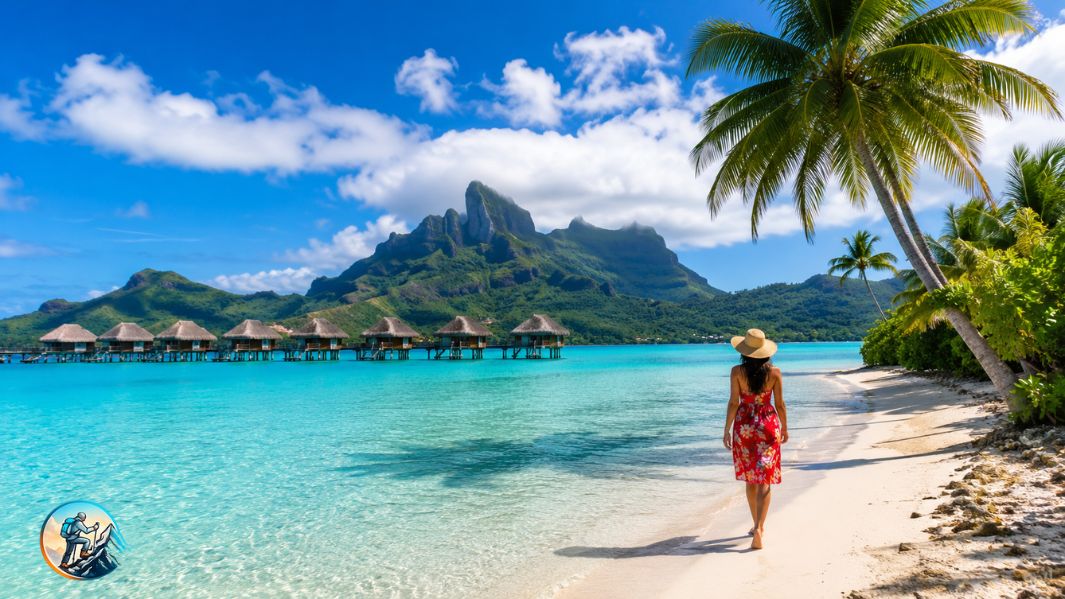
The phrase “Cook Islands” is Danish for the Cook Islands, a South Pacific nation where turquoise lagoons, volcanic mountains, and Polynesian culture create a relaxed holiday experience. Most visitors focus on Rarotonga and Aitutaki. Rarotonga is the lively hub, while Aitutaki delivers the dreamlike lagoon scenery many travelers picture when imagining the South Pacific.
Why Cook Islands Belong on Your Travel List.
What makes the Cook Islands special is not simply the beaches. Rarotonga is compact, easy to explore and refreshingly low-rise. The island is about 32 kilometers around, and the main coastal road can be driven in roughly 45 minutes. That scale changes the mood of a trip: you can swim in the morning, stop at a café, hike inland and still be beside the lagoon before sunset. Rarotonga travel feels flexible rather than resort-bound.
The islands reward travelers who value culture. Cook Islands Māori traditions remain visible in dance, music, food, carving and community life. Treat villages, churches and cultural events as living parts of local society. Dress modestly away from beaches and ask before photographing people.
Planning a Cook Islands Trip Around Rarotonga and Aitutaki
For a first visit, spend several nights on Rarotonga before adding Aitutaki rather than rushing both. Rarotonga offers the broadest choice of Cook Islands accommodation, restaurants, lagoon activities and inland adventures. Muri is popular for its calm lagoon and easy access to water activities, while other coastal areas feel quieter.
Aitutaki sits about 220 kilometers north of Rarotonga and is reached by a flight of around 50 minutes. Its turquoise lagoon, dotted with small motu islets, is the main attraction. A day trip is possible, but overnight changes the experience. Two or three nights allow time for a lagoon cruise, snorkeling and an island drive.
Best Time to Visit the Cook Islands
The Cook Islands have a pleasant warm tropical climate year-round. The drier period generally runs from April to November, while November to March is warmer and more humid, with occasional tropical rain. April, May, September and October are especially appealing because they often combine warm temperatures with relatively dry conditions. July to October also overlaps with the season when humpback whales may be seen from Rarotonga’s shoreline.
There is no perfect month for everyone. Travelers prioritizing sunshine and outdoor activities may prefer the drier season, while others may prefer the quieter shoulder months. Pack light rain protection because tropical weather can change quickly.
Getting There and Moving Around
International visitors normally arrive at Rarotonga International Airport. Current tourism guidance says travelers should carry a valid passport, proof of accommodation and evidence of onward or return travel. Entry rules vary by passport, so check official requirements shortly before departure rather than relying on an old blog post.
Getting around Rarotonga is straightforward. Cars, scooters, e-bikes and public buses are common options, and traffic moves on the left. If hiring a scooter, confirm the license rules that apply to your existing license. A small car offers shade and space for beach gear, while the bus suits travelers who prefer not to drive.
What to Do Beyond the Beach
Snorkeling, swimming and lagoon cruises are obvious highlights, but the destination becomes more memorable when you mix water time with land experiences. Try an inland hike, browse local markets, taste Polynesian food, attend a cultural performance or ride around Rarotonga without overplanning every stop. Aitutaki’s lagoon deserves a full day, but leave room for quiet moments away from scheduled excursions.
“Travel is not about collecting places; it is about noticing them.” That idea fits the Cook Islands perfectly. The pleasure often comes from small details: reef fish flashing beneath clear water, the smell of grilled food at dusk or a sudden view of green mountains after rain.
Practical Budget and Packing Advice
The Cook Islands can be expensive because many goods are imported. Save money by choosing self-catering accommodation for part of your stay, buying groceries and selecting a few paid experiences that matter most. Bring reef-safe sun protection where available, a reusable bottle, lightweight clothing, sandals, walking shoes and a waterproof bag for boat days.
Cash and cards are both useful, but do not assume every small operator will accept your preferred payment method. Mobile coverage and Wi-Fi are available, though service can feel slower than in major cities.
Final Thoughts on Visiting Cook Islands
A Cook Islands holiday works best when you resist overfilling it. Rarotonga offers variety, culture, and easy exploration; Aitutaki delivers the spectacular lagoon fantasy. Together they offer a South Pacific trip that feels accessible without losing its sense of distance. Arrive prepared, travel respectfully, and leave time empty in your schedule. The islands are at their best when you stop racing through the itinerary and let the day unfold.
You May Read Also: Your South Florida Road Guide: How Far Is West Palm Beach From Miami?

Emma Poppy Deyes: The Inspiring Story of Poppy Deyes, Her Career, Family, and Lifestyle Brand

Laura Sherriff: The Inspiring Story of Craig Phillips’ Wife, TV Presenter and DIY Entrepreneur

Classroom 15x: The Ultimate Guide to Free Online Games, Features, Benefits, and Safe Gaming

Crackstube Explained: A Complete Guide to Its Features, Content, Safety, and Digital Publishing Platform

Nomurano: Discover the Powerful Meaning Behind Modern Creativity, Design, and Intentional Living
Instagram Video Downloader: The Ultimate Guide to Saving Instagram Videos Safely and Easily

Provascin: A Complete Guide to Its Ingredients, Potential Benefits, Uses, and Safety

Tikcotech Explained: Powerful Features, Digital Tools, Benefits, and Everything You Should Know

Cristher: A Complete Guide to Premium Outdoor Lighting, Innovative Design, and Architectural Solutions

HMJones.net Explained: A Complete Guide to Business Loans, Funding Options, and Smarter Financial Decisions
Crackstube Explained: A Complete Guide to Its Features, Content, Safety, and Digital Publishing Platform
Nomurano: Discover the Powerful Meaning Behind Modern Creativity, Design, and Intentional Living

Everest Base Camp Trek vs Manaslu Circuit Trek: Routes, Difficulty, Costs, Altitude and Mountain Experience

Mindset Energy: The Powerful Secret to Better Focus, Confidence, and Personal Growth
Instagram Video Downloader: The Ultimate Guide to Saving Instagram Videos Safely and Easily

iProwess: Discover the Innovative Audio Brand Combining Smart Sound, Lighting, and Modern Technology
HMJones.net Explained: A Complete Guide to Business Loans, Funding Options, and Smarter Financial Decisions

Discover Europe Differently: How European Active Projects Are Reshaping Modern Travel
Provascin: A Complete Guide to Its Ingredients, Potential Benefits, Uses, and Safety

7 Arizona Road Trips Worth Adding to Your Travel Bucket List
Emma Poppy Deyes: The Inspiring Story of Poppy Deyes, Her Career, Family, and Lifestyle Brand
Laura Sherriff: The Inspiring Story of Craig Phillips’ Wife, TV Presenter and DIY Entrepreneur
Classroom 15x: The Ultimate Guide to Free Online Games, Features, Benefits, and Safe Gaming
Crackstube Explained: A Complete Guide to Its Features, Content, Safety, and Digital Publishing Platform
Nomurano: Discover the Powerful Meaning Behind Modern Creativity, Design, and Intentional Living
Instagram Video Downloader: The Ultimate Guide to Saving Instagram Videos Safely and Easily
Provascin: A Complete Guide to Its Ingredients, Potential Benefits, Uses, and Safety
Tikcotech Explained: Powerful Features, Digital Tools, Benefits, and Everything You Should Know
Cristher: A Complete Guide to Premium Outdoor Lighting, Innovative Design, and Architectural Solutions
HMJones.net Explained: A Complete Guide to Business Loans, Funding Options, and Smarter Financial Decisions
-
Technology19 hours ago
Crackstube Explained: A Complete Guide to Its Features, Content, Safety, and Digital Publishing Platform
-
 Blog2 months ago
Beyond the Cages: How an Artificial Zoo Could Redefine Wildlife Travel
-
Blog20 hours ago
Nomurano: Discover the Powerful Meaning Behind Modern Creativity, Design, and Intentional Living
-
Blog1 day ago
Mindset Energy: The Powerful Secret to Better Focus, Confidence, and Personal Growth