
Luxury Travel
A Traveler’s Guide to All You Can Eat Sushi Without Wasting a Bite

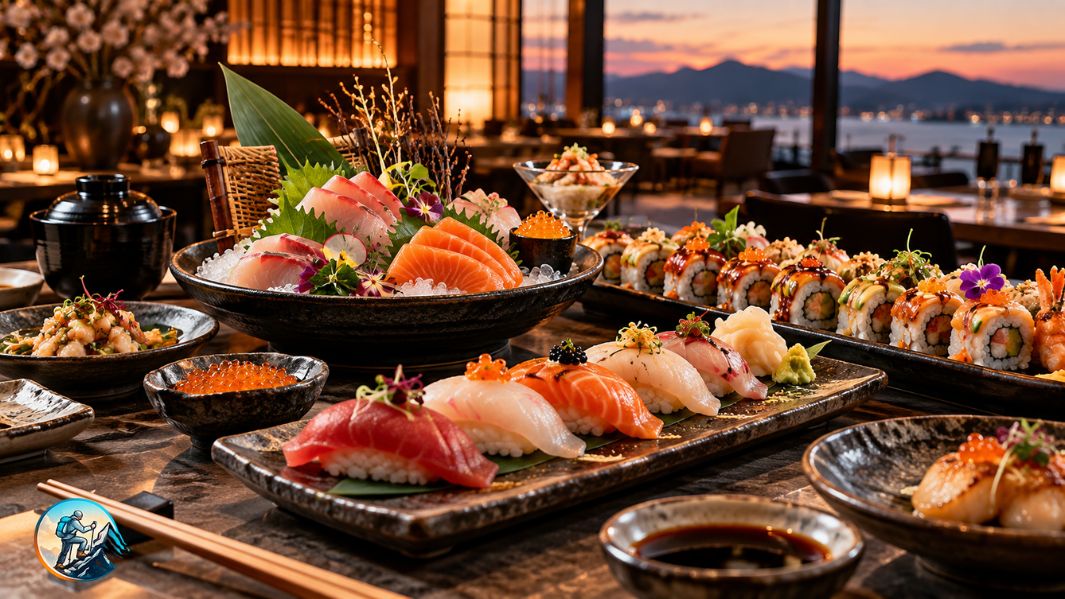
There is something particularly exciting about arriving in an unfamiliar city and discovering a restaurant where rows of colorful rolls, delicate slices of fish, and steaming Japanese dishes seem almost endless. Unlimited sushi dining has become a popular experience for travelers who want variety without ordering an expensive collection of individual plates. Yet getting the best experience involves more than simply eating as much as possible.
For me, the pleasure comes from treating the meal as exploration rather than a challenge. One plate might introduce buttery salmon nigiri, while the next brings a crunchy vegetable roll or something completely unfamiliar. As the saying goes, “Travel is about tasting places as much as seeing them.” Sushi can turn an ordinary evening into one of those small travel memories you remember long after leaving.
Why All You Can Eat Sushi Appeals to Travelers
The strongest appeal is choice. A traditional Japanese restaurant may require diners to select individual rolls or pieces, making experimentation expensive. Unlimited menus let visitors sample several styles in one fixed-price meal.
Depending on the restaurant, you might find sushi rolls, nigiri, sashimi, tempura, gyoza, miso soup, seaweed salad, grilled dishes, and desserts. This variety can be especially helpful for groups because everyone can choose what suits their preferences.
However, unlimited does not always mean identical service. Some restaurants operate traditional sushi buffets, where food is displayed for self-service. Others use made-to-order systems where diners select smaller portions from a menu. I generally prefer made-to-order dining because dishes often arrive fresher and portions are easier to control.
How All You Can Eat Sushi Usually Works
Before ordering, understand the restaurant’s rules. Many establishments use dining periods of roughly 90 minutes or two hours. Others limit how many dishes you can order in each round.
Restaurants may also charge for excessive leftovers because unlimited menus can encourage unnecessary ordering. This policy actually improves the experience when handled reasonably because it discourages waste.
Start slowly. Order several small dishes, eat them, and decide what deserves another round. This approach keeps fresh sushi enjoyable instead of turning dinner into an uncomfortable endurance test.
Choosing a Quality Sushi Restaurant While Traveling
Price should never be your only guide. Pay attention to cleanliness, customer turnover, menu presentation, and how seafood appears when it reaches the table. Fish should look fresh and properly handled, not dry or tired.
A strong sushi restaurant should also offer more than oversized rolls covered in sauces. Look for a balanced menu containing simpler dishes such as salmon nigiri, tuna, cucumber rolls, avocado rolls, and carefully prepared rice. Simpler items often reveal more about ingredient quality because poor preparation has nowhere to hide.
Busy restaurants can sometimes be reassuring because ingredients are likely moving through the kitchen quickly. Still, popularity alone doesn’t guarantee quality, so pair reputation with your own observations.
What to Order First for the Best Experience
Begin with lighter flavors. Nigiri sushi, sashimi where available, cucumber rolls, seaweed salad, or miso soup provide a comfortable starting point.
Save fried rolls, tempura, noodles, and heavily sauced dishes until later. They can be delicious, but they are filling and may overwhelm subtler flavors.
Travelers unfamiliar with raw seafood can still enjoy plenty of alternatives. Cooked shrimp, grilled salmon, vegetable rolls, tofu dishes, avocado, cucumber, and egg-based sushi can offer a gentler introduction.
Smart Dining Tips for Unlimited Sushi
The easiest mistake is ordering with your eyes rather than your appetite. Seeing dozens of options can make it feel like you must try everything immediately.
Instead, order in rounds. Share dishes when dining with friends so everyone can taste more without creating leftovers. Drink water throughout the meal, and avoid filling yourself with large amounts of rice or fried appetizers before sampling the dishes you actually came to enjoy.
Travelers with allergies or dietary restrictions should ask about ingredients, sauces, cross-contact, and preparation methods before ordering. Vegetarian sushi is increasingly common, but ingredients such as fish-based stocks or sauces may still appear in seemingly meat-free dishes.
Making Sushi Part of Your Travel Experience
Food becomes more memorable when it connects you to a neighborhood. Instead of automatically choosing the restaurant beside a major attraction, consider exploring areas where residents actually dine.
A relaxed sushi dinner after a day of sightseeing can also offer something travel itineraries often forget: time to sit, taste, talk, and absorb the atmosphere of a destination.
Conclusion
The number of plates cleared does not measure the best All You Can Eat Sushi experience. It is measured by variety, freshness, enjoyment, and discovering flavors you might never have ordered individually.
Choose a reputable restaurant, begin with small portions, explore unfamiliar dishes thoughtfully, and respect policies designed to reduce waste. Done well, unlimited sushi becomes more than an inexpensive meal. It becomes a flavorful travel experience built around curiosity, sharing, and the simple pleasure of trying something new.

Emma Poppy Deyes: The Inspiring Story of Poppy Deyes, Her Career, Family, and Lifestyle Brand

Laura Sherriff: The Inspiring Story of Craig Phillips’ Wife, TV Presenter and DIY Entrepreneur

Classroom 15x: The Ultimate Guide to Free Online Games, Features, Benefits, and Safe Gaming

Crackstube Explained: A Complete Guide to Its Features, Content, Safety, and Digital Publishing Platform

Nomurano: Discover the Powerful Meaning Behind Modern Creativity, Design, and Intentional Living

Instagram Video Downloader: The Ultimate Guide to Saving Instagram Videos Safely and Easily

Provascin: A Complete Guide to Its Ingredients, Potential Benefits, Uses, and Safety

Tikcotech Explained: Powerful Features, Digital Tools, Benefits, and Everything You Should Know

Cristher: A Complete Guide to Premium Outdoor Lighting, Innovative Design, and Architectural Solutions

HMJones.net Explained: A Complete Guide to Business Loans, Funding Options, and Smarter Financial Decisions
Crackstube Explained: A Complete Guide to Its Features, Content, Safety, and Digital Publishing Platform
Nomurano: Discover the Powerful Meaning Behind Modern Creativity, Design, and Intentional Living

Everest Base Camp Trek vs Manaslu Circuit Trek: Routes, Difficulty, Costs, Altitude and Mountain Experience

Mindset Energy: The Powerful Secret to Better Focus, Confidence, and Personal Growth
Instagram Video Downloader: The Ultimate Guide to Saving Instagram Videos Safely and Easily

iProwess: Discover the Innovative Audio Brand Combining Smart Sound, Lighting, and Modern Technology
HMJones.net Explained: A Complete Guide to Business Loans, Funding Options, and Smarter Financial Decisions

Discover Europe Differently: How European Active Projects Are Reshaping Modern Travel
Provascin: A Complete Guide to Its Ingredients, Potential Benefits, Uses, and Safety

7 Arizona Road Trips Worth Adding to Your Travel Bucket List
Emma Poppy Deyes: The Inspiring Story of Poppy Deyes, Her Career, Family, and Lifestyle Brand
Laura Sherriff: The Inspiring Story of Craig Phillips’ Wife, TV Presenter and DIY Entrepreneur
Classroom 15x: The Ultimate Guide to Free Online Games, Features, Benefits, and Safe Gaming
Crackstube Explained: A Complete Guide to Its Features, Content, Safety, and Digital Publishing Platform
Nomurano: Discover the Powerful Meaning Behind Modern Creativity, Design, and Intentional Living
Instagram Video Downloader: The Ultimate Guide to Saving Instagram Videos Safely and Easily
Provascin: A Complete Guide to Its Ingredients, Potential Benefits, Uses, and Safety
Tikcotech Explained: Powerful Features, Digital Tools, Benefits, and Everything You Should Know
Cristher: A Complete Guide to Premium Outdoor Lighting, Innovative Design, and Architectural Solutions
HMJones.net Explained: A Complete Guide to Business Loans, Funding Options, and Smarter Financial Decisions
-
Technology19 hours ago
Crackstube Explained: A Complete Guide to Its Features, Content, Safety, and Digital Publishing Platform
-
 Blog2 months ago
Beyond the Cages: How an Artificial Zoo Could Redefine Wildlife Travel
-
Blog19 hours ago
Nomurano: Discover the Powerful Meaning Behind Modern Creativity, Design, and Intentional Living
-
Adventure Travel1 week ago
Everest Base Camp Trek vs Manaslu Circuit Trek: Routes, Difficulty, Costs, Altitude and Mountain Experience