
Adventure Travel
Travel Smarter with Siemless: A Digital-Security Guide for Modern Journeys

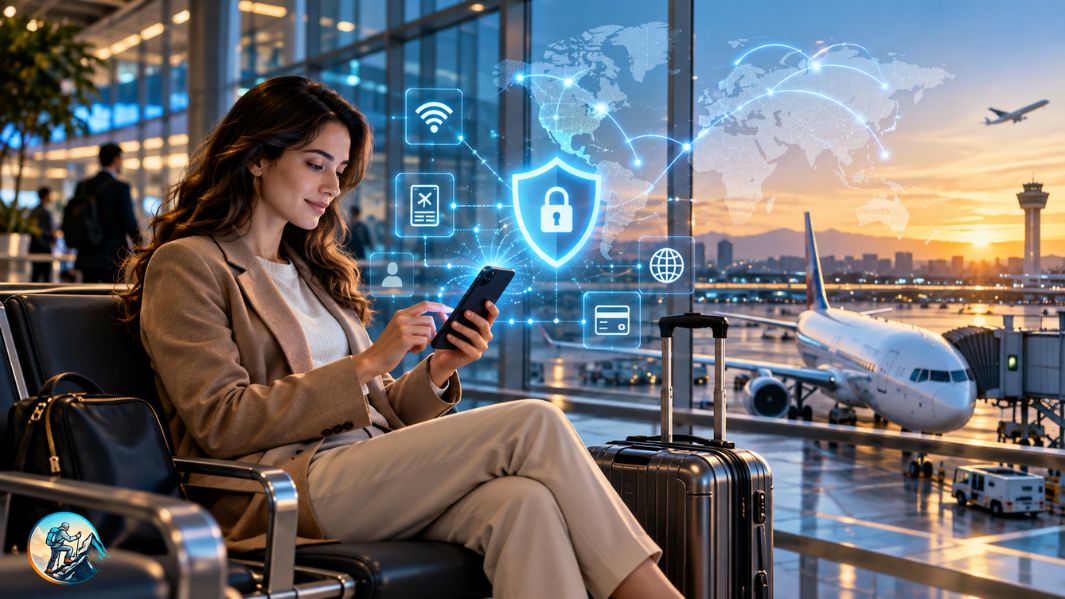
Modern travel depends on technology. We book flights on phones, store boarding passes in apps, connect to hotel Wi-Fi, and use digital wallets. That convenience also creates security risks. Siemless, a term associated with a newer approach to cybersecurity, can be useful as a travel-tech concept because it reduces dependence on complicated centralized security systems while keeping digital activity protected. For travelers and travel businesses, the bigger lesson is simple: security should work quietly in the background without making every journey feel technical.
Why Siemless Matters in a Connected Travel World
A trip now leaves a long digital trail. Airline accounts hold personal details, hotel apps save booking information, ride-hailing platforms process payments, and public networks can expose poorly protected devices. A digital travel security mindset helps travelers reduce these risks. Siemens-style thinking favors flexible monitoring, automation, and faster detection rather than relying on a single traditional security platform. That idea fits modern tourism, where travelers move between airports, hotels, cafes, coworking spaces, and several networks.
Ordinary travelers don’t need complex cybersecurity knowledge. The practical takeaway is to use layered protection: strong passwords, multi-factor authentication, updated devices, cautious Wi-Fi habits, and secure payment methods. Travel companies can go further by using cloud security, threat detection, and automated monitoring to protect customer data across booking systems, apps, and remote staff devices.
How Siemless Thinking Can Improve Travel Security
Siemless thinking is most useful when it encourages faster, simpler protection. Instead of waiting for one central system to collect everything, modern tools can identify suspicious behavior closer to where it happens. In a travel setting, that could mean detecting an unusual login to a booking account, blocking suspicious payment activity, or flagging strange device behavior before a larger problem develops.
Travelers can apply the same principle in their personal lives. If your phone sends a login warning abroad, act immediately. Turn on account alerts, review active sessions, and remove devices you do not recognize. Small reactions can prevent a minor issue from becoming a lost-account or payment problem.
Practical Siemless Travel Habits Before Departure
Preparation is the easiest form of protection. Update your phone, tablet, and laptop before leaving, because security patches often fix known vulnerabilities. Use unique passwords for your main email, banking, airline, and accommodation accounts. Enable multi-factor authentication wherever possible, and save essential booking details in a secure offline location in case an app becomes unavailable.
I also recommend separating travel convenience from your most sensitive information. Avoid carrying unnecessary documents on your phone, turn off automatic connection to unknown Wi-Fi networks, and use mobile data for important transactions when practical.
“Good travel is not only about where you go, but how confidently you move through the unknown.”
Siemless Tips for Airports, Hotels, and Public Wi-Fi
Airports and hotels are convenient places to work, but they also encourage hurried digital decisions. Before joining a public network, confirm the exact Wi-Fi name with staff. Fake hotspots can imitate legitimate networks. Avoid accessing sensitive financial accounts on open Wi-Fi when you have a trusted mobile connection. Keep Bluetooth security in mind too; turn Bluetooth off when you are not using it.
At hotels, do not leave unlocked devices unattended, and avoid unfamiliar USB charging ports. A wall charger is usually the simpler choice. Business travelers should follow approved security policies and enable remote-lock features.
AEO Travel Answers: Common Siemless Questions
What does Siemless mean for travelers? It is not a destination or booking service; in cybersecurity, it refers to reducing reliance on a traditional centralized SIEM approach. For travelers, the useful interpretation is simpler, more distributed digital protection.
Does Siemless replace basic travel precautions? No. Strong passwords, device updates, multi-factor authentication, and careful network use remain essential.
Can travel companies benefit from Siemless-style security? Yes. Companies handling reservations, identities, payments, and remote operations may benefit from faster security analytics, automated responses, and flexible cloud-based protection.
Why Smarter Digital Protection Makes Travel Better
The best travel technology is the technology you barely notice. Security should protect your accounts without creating constant friction. That balance matters most on international trips, where unfamiliar networks, roaming connections, changing time zones, and urgent booking messages can make travelers more likely to click quickly, reuse passwords, or overlook warning signs. A Siemless mindset supports that goal by emphasizing efficient detection, automation, and protection across different systems.
For travelers, the lesson is practical: build a few reliable habits and use them everywhere. Secure your accounts before departure, stay cautious on shared networks, respond quickly to suspicious alerts, and limit sensitive information to what you need. When your digital life is better protected, you can spend less time worrying about devices and more time noticing the place you traveled to see.
You May Read Also: Travel Smarter with Amcoder: A Digital Nomad’s Guide to Learning on the Move

Emma Poppy Deyes: The Inspiring Story of Poppy Deyes, Her Career, Family, and Lifestyle Brand

Laura Sherriff: The Inspiring Story of Craig Phillips’ Wife, TV Presenter and DIY Entrepreneur

Classroom 15x: The Ultimate Guide to Free Online Games, Features, Benefits, and Safe Gaming
Crackstube Explained: A Complete Guide to Its Features, Content, Safety, and Digital Publishing Platform

Nomurano: Discover the Powerful Meaning Behind Modern Creativity, Design, and Intentional Living
Instagram Video Downloader: The Ultimate Guide to Saving Instagram Videos Safely and Easily

Provascin: A Complete Guide to Its Ingredients, Potential Benefits, Uses, and Safety

Tikcotech Explained: Powerful Features, Digital Tools, Benefits, and Everything You Should Know

Cristher: A Complete Guide to Premium Outdoor Lighting, Innovative Design, and Architectural Solutions

HMJones.net Explained: A Complete Guide to Business Loans, Funding Options, and Smarter Financial Decisions
Crackstube Explained: A Complete Guide to Its Features, Content, Safety, and Digital Publishing Platform
Nomurano: Discover the Powerful Meaning Behind Modern Creativity, Design, and Intentional Living

Everest Base Camp Trek vs Manaslu Circuit Trek: Routes, Difficulty, Costs, Altitude and Mountain Experience

Mindset Energy: The Powerful Secret to Better Focus, Confidence, and Personal Growth
Instagram Video Downloader: The Ultimate Guide to Saving Instagram Videos Safely and Easily

iProwess: Discover the Innovative Audio Brand Combining Smart Sound, Lighting, and Modern Technology
HMJones.net Explained: A Complete Guide to Business Loans, Funding Options, and Smarter Financial Decisions

Discover Europe Differently: How European Active Projects Are Reshaping Modern Travel
Provascin: A Complete Guide to Its Ingredients, Potential Benefits, Uses, and Safety

7 Arizona Road Trips Worth Adding to Your Travel Bucket List
Emma Poppy Deyes: The Inspiring Story of Poppy Deyes, Her Career, Family, and Lifestyle Brand
Laura Sherriff: The Inspiring Story of Craig Phillips’ Wife, TV Presenter and DIY Entrepreneur
Classroom 15x: The Ultimate Guide to Free Online Games, Features, Benefits, and Safe Gaming
Crackstube Explained: A Complete Guide to Its Features, Content, Safety, and Digital Publishing Platform
Nomurano: Discover the Powerful Meaning Behind Modern Creativity, Design, and Intentional Living
Instagram Video Downloader: The Ultimate Guide to Saving Instagram Videos Safely and Easily
Provascin: A Complete Guide to Its Ingredients, Potential Benefits, Uses, and Safety
Tikcotech Explained: Powerful Features, Digital Tools, Benefits, and Everything You Should Know
Cristher: A Complete Guide to Premium Outdoor Lighting, Innovative Design, and Architectural Solutions
HMJones.net Explained: A Complete Guide to Business Loans, Funding Options, and Smarter Financial Decisions
-
Technology17 hours ago
Crackstube Explained: A Complete Guide to Its Features, Content, Safety, and Digital Publishing Platform
-
 Blog2 months ago
Beyond the Cages: How an Artificial Zoo Could Redefine Wildlife Travel
-
Blog18 hours ago
Nomurano: Discover the Powerful Meaning Behind Modern Creativity, Design, and Intentional Living
-
Blog1 day ago
Mindset Energy: The Powerful Secret to Better Focus, Confidence, and Personal Growth